

Operation Process and Working Principle of Polyolefin Pneumatic Conveying Equipment
Understanding the operation process and working principle of polyolefin pneumatic conveying equipment is crucial for optimizing material handling in various industrial settings. This equipment, commonly used in the processing and transportation of polyolefin materials, plays a vital role in enhancing efficiency and reducing operational costs. The following sections will delve into the key aspects of how such systems function, highlighting the technical details and practical applications.
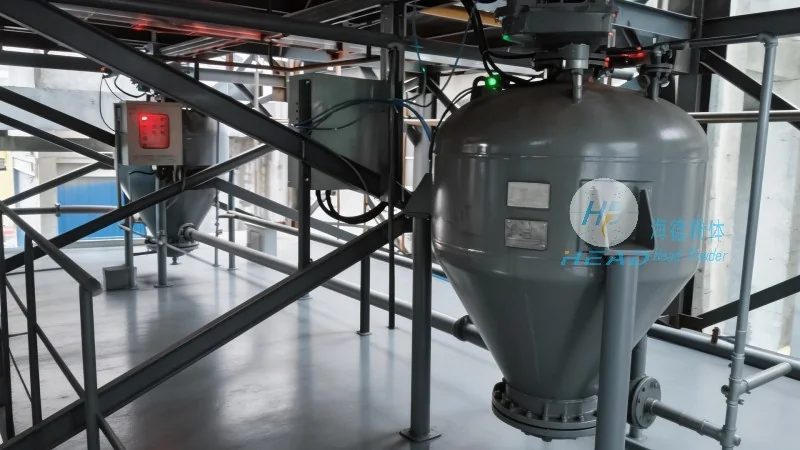
HeadPowder, a leading manufacturer based in Shandong, China, specializes in the design and production of advanced pneumatic conveying solutions. With a strong commitment to quality and innovation, the company has established itself as a trusted partner in the industry, providing customized equipment tailored to the specific needs of clients. The following content will explore the fundamental principles behind polyolefin pneumatic conveying, emphasizing the operational steps and the underlying mechanisms that enable effective material transport.
Key Components and Their Roles
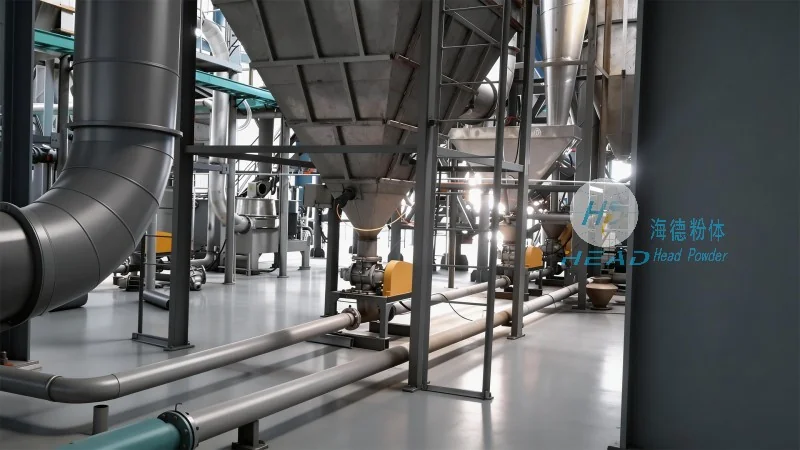
Polyolefin pneumatic conveying systems typically consist of several critical components, each playing a specific role in the overall operation. The main components include the hopper or feeder, the conveying line (usually a pipeline), the air supply system (blower or compressor), and the control system. The hopper is responsible for storing and feeding the polyolefin material into the system, ensuring a consistent flow. The conveying line, often made of materials like stainless steel or plastic, transports the material and air mixture. The air supply system generates the necessary pressure and airflow to move the material through the pipeline. The control system monitors and regulates the operation, maintaining optimal conditions for efficient conveying.
The Operation Process of Polyolefin Pneumatic Conveying
The operation process of polyolefin pneumatic conveying involves several sequential steps that ensure smooth and reliable material transport. The process begins with the material being loaded into the hopper. The feeder then meters the material into the conveying line at a controlled rate. Simultaneously, the air supply system generates the required airflow, which is introduced into the pipeline. As the material is fed into the line, it is entrained by the air and carried through the conveying line to the discharge point. The control system continuously monitors the pressure and flow rates, adjusting the air supply as needed to maintain stable operation. The material is then discharged from the system at the desired location, completing the conveying process.
Working Principle Explained
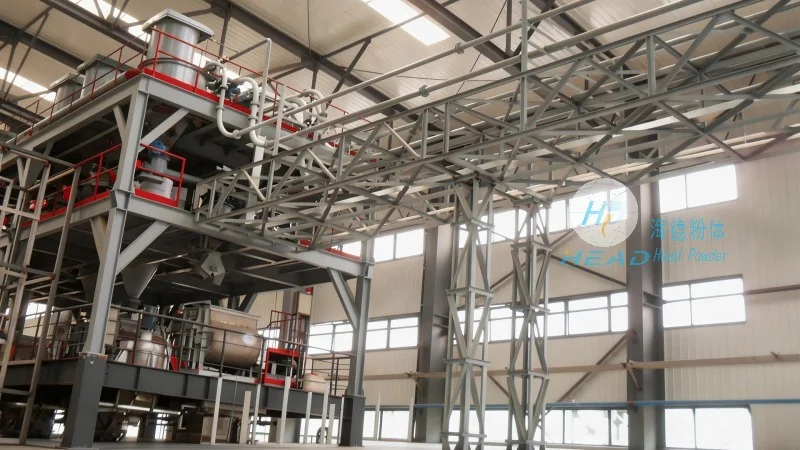
The working principle of polyolefin pneumatic conveying is based on the principle of fluidization and air suspension. When air is introduced into the conveying line at a sufficient velocity, it creates a fluidized state where the polyolefin particles are suspended in the air stream. This allows the material to be transported as a slurry, eliminating the need for mechanical components like belts or buckets. The key to effective conveying is achieving the correct air velocity and pressure, which depends on factors such as the material's density, particle size, and the system's design. The system operates under either positive pressure (where air is forced into the line) or negative pressure (where air is drawn out), with positive pressure being more common for polyolefin applications due to its ability to handle a wide range of materials and prevent contamination.
Technical Advantages and Applications
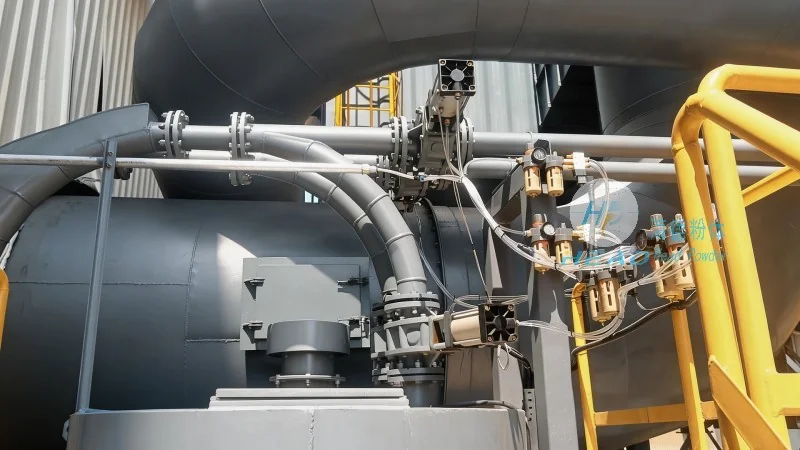
Polyolefin pneumatic conveying equipment offers several technical advantages that make it an ideal choice for handling polyolefin materials. These advantages include high efficiency in material transport, reduced risk of product contamination, and lower maintenance costs compared to traditional mechanical systems. The system is also flexible and can be easily integrated into existing production lines, allowing for seamless material handling. Applications of polyolefin pneumatic conveying include the transport of polyethylene, polypropylene, and other polyolefin-based polymers in industries such as plastics manufacturing, chemical processing, and food processing. The equipment is particularly suitable for handling materials that are prone to dust or require a clean and hygienic environment.
Conclusion
In conclusion, the operation process and working principle of polyolefin pneumatic conveying equipment are complex yet efficient mechanisms that enable the reliable transport of polyolefin materials. With the expertise of manufacturers like Shandong HeadPowder Engineering Co., Ltd., these systems can be customized to meet the specific requirements of various industrial applications. By understanding the key components, operation steps, and technical principles, industries can optimize their material handling processes, improve productivity, and reduce operational costs. The continued development and innovation in pneumatic conveying technology ensure that such equipment remains a vital component in modern industrial operations.