

Operation Process and Working Principle of Latex Powder Pneumatic Conveying Equipment
Latex powder pneumatic conveying machines are essential equipment in industrial applications, particularly for the efficient handling and transportation of latex powder. Understanding the operation process and working principle of these machines is crucial for optimizing performance and ensuring reliable material transport. This article provides a detailed overview of how latex powder pneumatic conveying systems function, covering key components, operational steps, and the underlying principles that enable effective material movement. Manufactured by Shandong HeadPowder Engineering Co., Ltd., based in Shandong, China, these systems are designed to meet the specific needs of various industrial sectors.
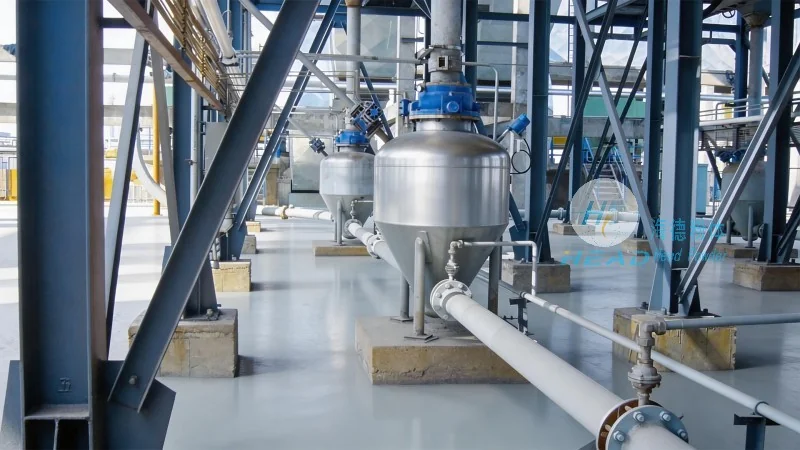
Key Components of Latex Powder Pneumatic Conveying Systems
Before delving into the operation process, it is important to identify the primary components that make up a latex powder pneumatic conveying system. These components work in concert to facilitate the movement of latex powder from the source to the destination. The main components typically include a hopper for material storage, a feeder to control the flow rate, a conveying line (usually a pipe), a compressor or blower to generate the air pressure, and a receiver or discharge unit for the material. Each component plays a vital role in the overall system performance, and their proper integration is essential for efficient operation.
Working Principle of Latex Powder Pneumatic Conveying
The working principle of latex powder pneumatic conveying machines is based on the use of air to transport solid particles. When the system is activated, the compressor or blower generates a flow of air through the conveying line. The latex powder is then introduced into the system, either by gravity or through a feeder, and is entrained by the air stream. The air and powder mixture travels through the pipe to the receiving end, where the material is separated from the air and collected. The air is then typically filtered and recycled back into the system to conserve energy and maintain environmental standards.
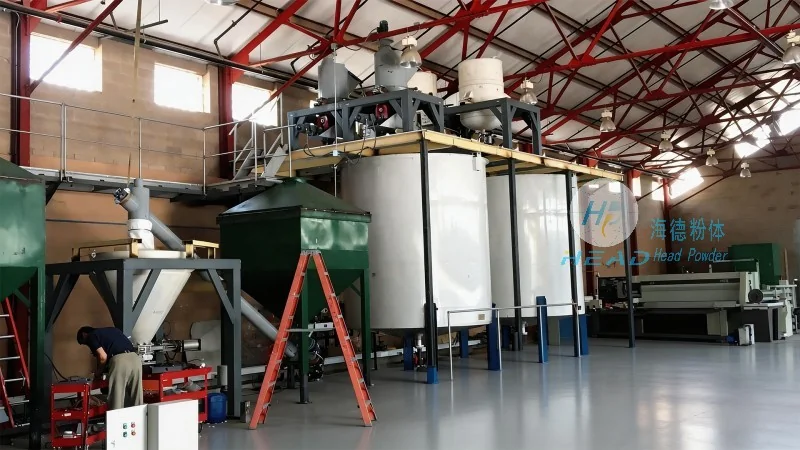
Operation Process of Latex Powder Pneumatic Conveying
The operation process of a latex powder pneumatic conveying machine involves several sequential steps that ensure smooth and continuous material transport. The process begins with the loading of latex powder into the hopper. The feeder then regulates the flow rate of the powder, ensuring a consistent and controlled feed into the conveying line. Simultaneously, the compressor or blower starts and generates the necessary air pressure to create a stable air flow. As the powder is introduced into the line, it is entrained by the air and carried to the discharge point. At the receiving end, the material is collected in a container or hopper, while the air is filtered and returned to the system. This cycle repeats continuously as long as the system is operational, providing a reliable method for transporting latex powder over short to medium distances.
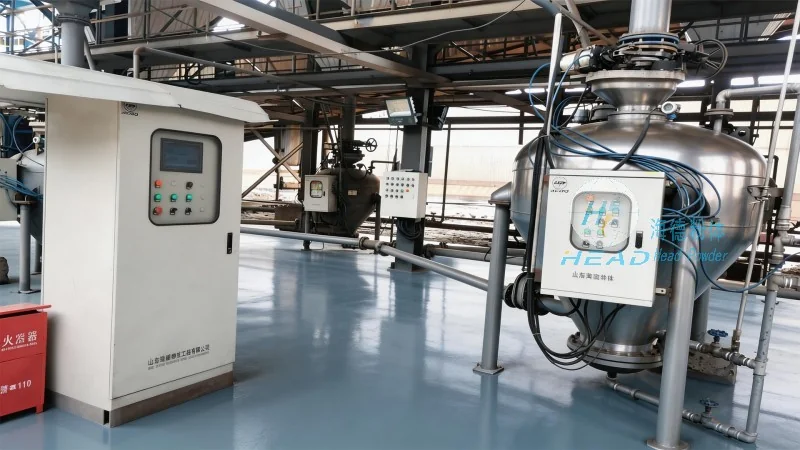
Advantages of Using Latex Powder Pneumatic Conveying Equipment
Latex powder pneumatic conveying systems offer several advantages over traditional mechanical conveying methods. These include reduced material degradation due to minimal contact with equipment, lower maintenance requirements as there are fewer moving parts, and the ability to handle materials that are difficult to transport by other means. Additionally, these systems can be designed for both positive and negative pressure operation, providing flexibility in different industrial settings. The use of air as the conveying medium also allows for the transport of materials in a closed system, minimizing dust emissions and improving workplace safety.
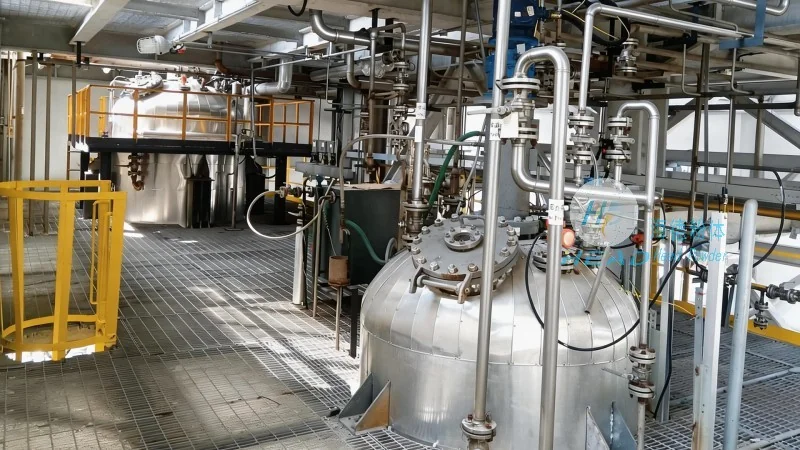
Applications and Industries
Latex powder pneumatic conveying machines are widely used in various industries where the handling of fine powders is required. These include the rubber industry, where latex powder is a key raw material for manufacturing products such as tires and gloves. Other applications include the pharmaceutical industry for transporting powders used in drug formulations, and the food industry for handling powdered ingredients. The versatility of these systems makes them suitable for a wide range of applications, from small-scale operations to large industrial facilities.
Conclusion
In conclusion, latex powder pneumatic conveying machines are highly effective equipment for the efficient and reliable transport of latex powder. By understanding the operation process and working principle, users can optimize the performance of these systems and ensure consistent material handling. The integration of key components, such as hoppers, feeders, and compressors, along with the proper control of air flow, enables the smooth and continuous movement of latex powder. As a result, these machines play a critical role in various industrial applications, contributing to improved productivity and operational efficiency.