

Operation Process and Working Principle of Dry Limestone Pneumatic Conveying Machine
Shandong HeadPowder Engineering Co., Ltd., a leading manufacturer based in Shandong, China, specializes in the design and production of advanced pneumatic conveying equipment. The company's expertise lies in developing efficient systems for transporting dry materials like limestone, ensuring reliable and safe operation in various industrial applications. This article delves into the operation process and working principle of a dry limestone pneumatic conveying machine, highlighting the key components and mechanisms that enable effective material handling.
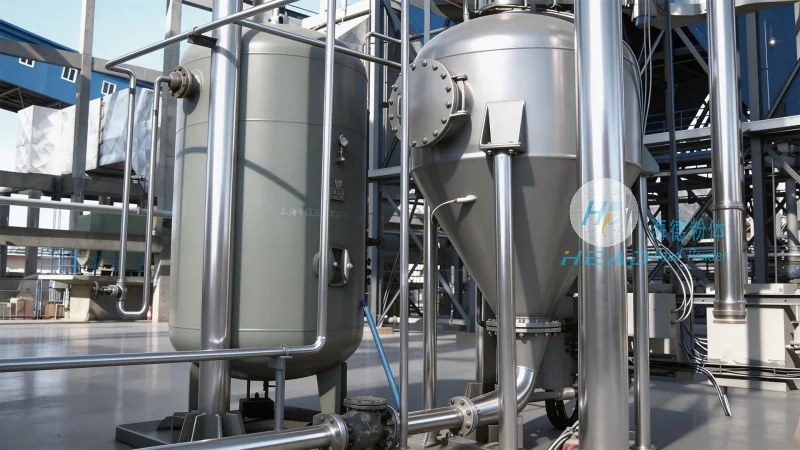
Key Components of the Dry Limestone Pneumatic Conveying Machine
The dry limestone pneumatic conveying machine consists of several critical components that work in tandem to achieve seamless material transport. These include a hopper for material storage, a rotary valve or feeder to control the flow of limestone, a conveying pipe system, a blower or air compressor to generate the necessary air pressure, and a dust collector or filter to maintain air quality. Each component plays a vital role in the overall functionality of the system, ensuring that limestone is moved from the source to the destination without any loss or contamination.
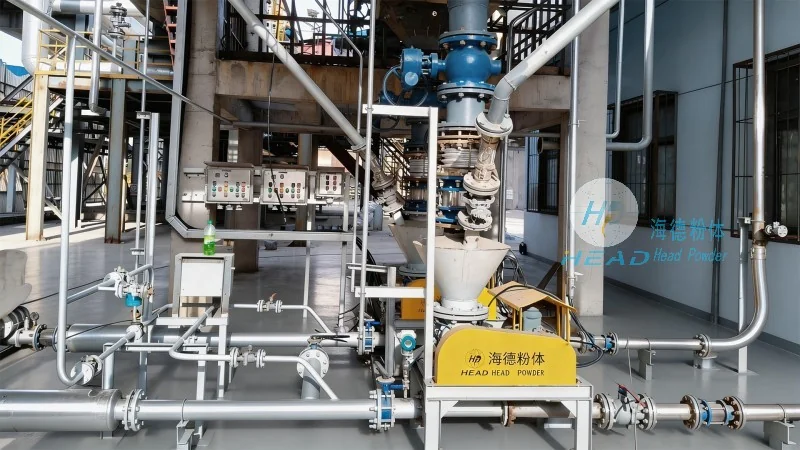
The Working Principle of Dry Limestone Pneumatic Conveying
The operation of a dry limestone pneumatic conveying machine is based on the principle of pneumatic transport, where material is carried by a stream of air. The process begins with the material being fed into the hopper from a storage silo or truck. The rotary valve then regulates the flow of limestone into the conveying pipe, ensuring a consistent and controlled feed rate. Simultaneously, the blower generates high-pressure air that is introduced into the pipe, creating a flow that propels the limestone particles forward. As the air and material mixture travels through the pipe, it passes through various sections, including bends and expansion joints, which are designed to minimize pressure loss and maintain the flow velocity. The dust collector at the end of the system captures any fine particles, ensuring that the exhaust air is clean and compliant with environmental regulations.
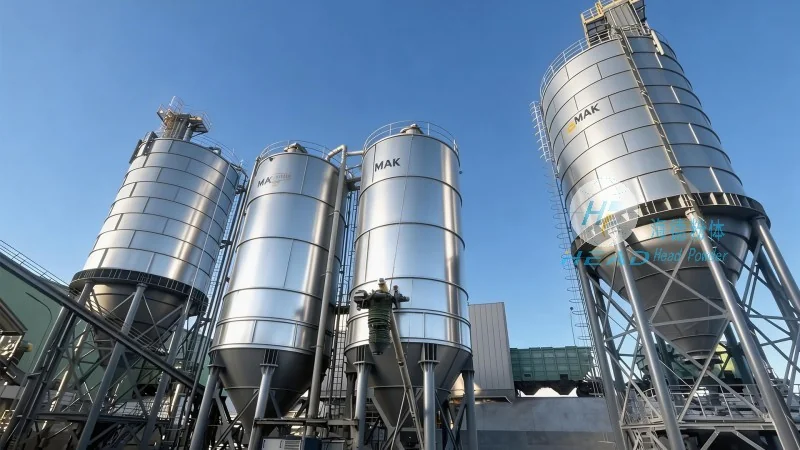
Operation Process: Step-by-Step Guide
The operation process of the dry limestone pneumatic conveying machine can be broken down into several sequential steps, each crucial for the efficient and safe transport of limestone. First, the system is started by activating the blower, which establishes the air flow in the conveying pipe. Next, the rotary valve is adjusted to the desired feed rate, allowing limestone to enter the pipe at a controlled pace. As the material is conveyed, the pressure and flow rate are monitored continuously to ensure optimal performance. The system operates continuously until the material supply is depleted or the target destination is reached. At the end of the process, the blower is turned off, and the rotary valve is closed to prevent any backflow or air leakage. The dust collector is then activated to clean the collected dust, preparing the system for the next cycle.
Advantages of Dry Limestone Pneumatic Conveying
Using a dry limestone pneumatic conveying machine offers several advantages over traditional methods like belt conveyors or trucks. The primary benefit is the ability to transport material over long distances without the need for intermediate storage or transfer points. This reduces the risk of material degradation and contamination, as the material remains in a closed system throughout the process. Additionally, the system is highly flexible, allowing for changes in the conveying route or destination without major modifications. The low maintenance requirements and energy efficiency of pneumatic conveying also contribute to cost savings for industrial operations. Furthermore, the system can handle a wide range of limestone particle sizes and moisture content, making it suitable for various applications in the cement, mining, and construction industries.
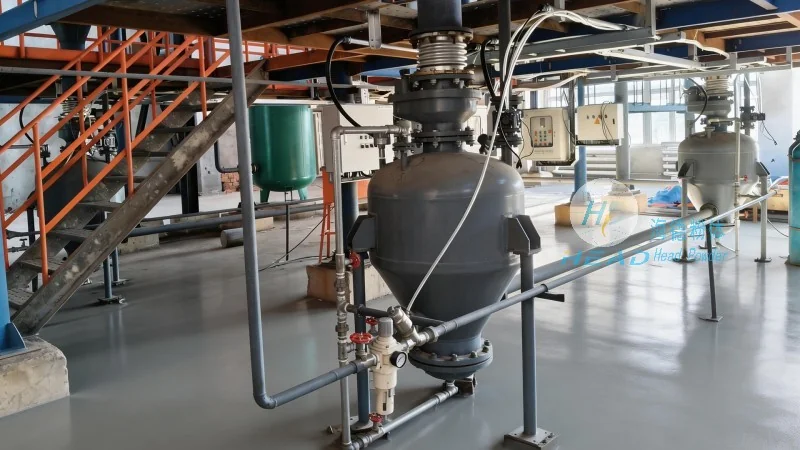
Applications and Industrial Use Cases
Dry limestone pneumatic conveying machines are widely used in industries that require the transport of bulk dry materials. In the cement industry, for example, limestone is a key raw material used in the production of cement clinker. The pneumatic conveying system allows for the efficient delivery of limestone from storage silos to the cement production plant, ensuring a steady supply of raw material. In the mining industry, limestone is often transported from mines to processing facilities or storage areas, where it is used as a flux or filler. The system's ability to handle abrasive materials and high flow rates makes it ideal for these applications. Additionally, in the construction industry, limestone is used as a building material or aggregate, and the pneumatic conveying machine facilitates its transport from quarries to construction sites. The versatility and reliability of the system make it a preferred choice for various industrial applications where material transport efficiency and safety are paramount.