Calcium fluoride, also known as fluorite, is a widely used industrial material in various sectors such as chemical manufacturing, metallurgy, and environmental treatment. The efficient handling and transportation of calcium fluoride powders are crucial for industrial operations. Pneumatic conveying systems offer a reliable solution for this purpose, ensuring safe, dust-free, and continuous material transfer. This article delves into the operation process and working principle of calcium fluoride pneumatic conveying equipment, highlighting key components, operational steps, and the benefits of such systems, provided by Shandong HeadPowder Engineering Co., Ltd., a leading manufacturer in the field.
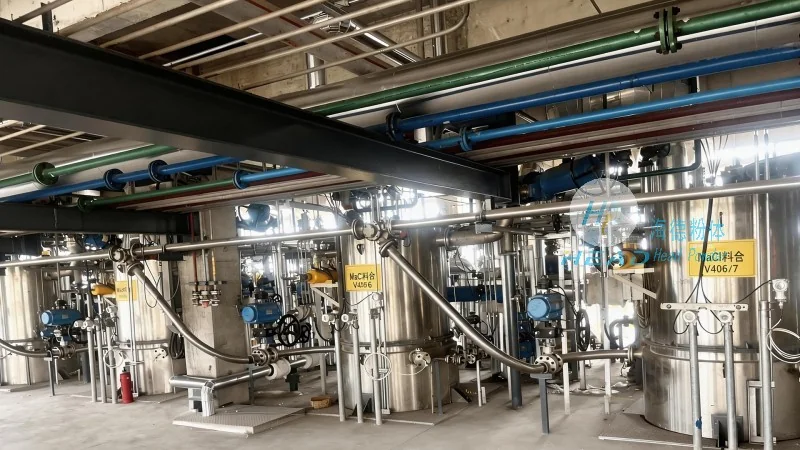
Key Components of the Pneumatic Conveying System
The calcium fluoride pneumatic conveying system consists of several essential components that work in tandem to achieve effective material transport. These components include the material hopper, air compressor, conveyor pipe, control valve, and dust collector. The material hopper is designed to store the calcium fluoride powder, providing a consistent feed to the system. The air compressor generates the necessary air pressure to move the powder through the conveyor pipes. The conveyor pipes are typically made of durable materials like stainless steel or plastic to withstand the abrasive nature of calcium fluoride. The control valve regulates the air flow and pressure, ensuring smooth operation. Finally, the dust collector captures any fine particles that may escape, maintaining a clean and safe working environment.
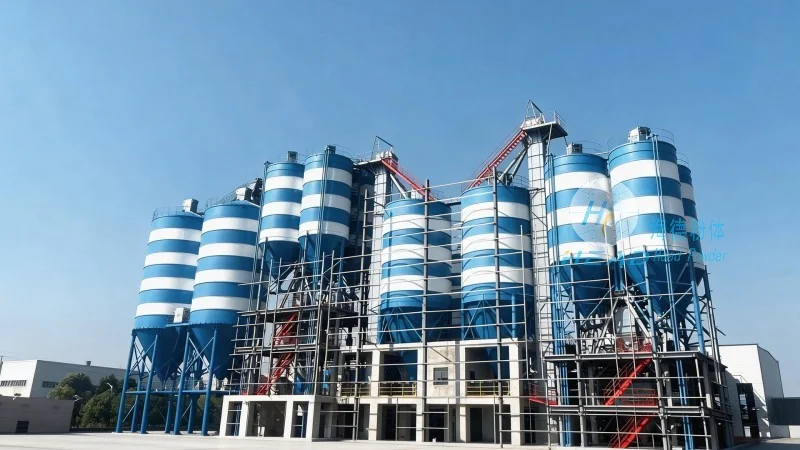
Working Principle of the Pneumatic Conveying Process
The operation of the calcium fluoride pneumatic conveying system follows a systematic process. Initially, the calcium fluoride powder is fed from the hopper into the conveyor pipe. Simultaneously, the air compressor supplies compressed air into the pipe. The air flow creates a negative pressure or positive pressure environment, depending on the system design, which propels the powder particles forward. As the powder travels through the pipe, it is mixed with the air, forming a slurry-like mixture. The mixture moves towards the discharge point, where the powder is separated from the air and deposited into the receiving container. The air, now clean, is either recycled back into the system or released through the dust collector.
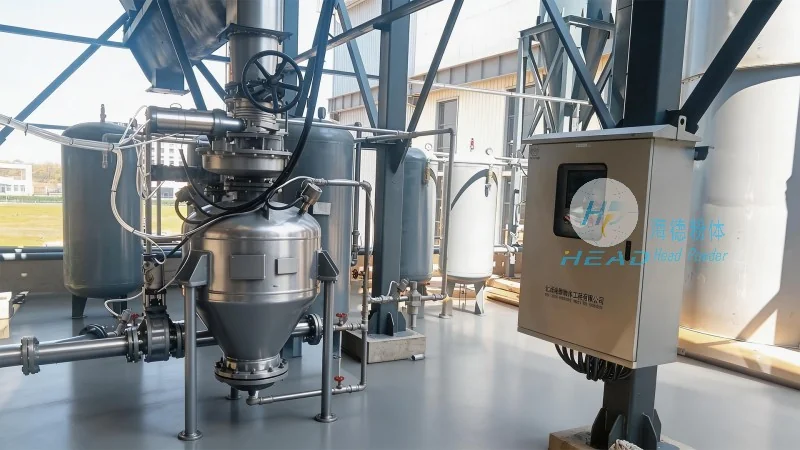
Operation Process: Step-by-Step Guide
The operation process of the calcium fluoride pneumatic conveying equipment involves several critical steps. First, the system is prepared by ensuring all components are properly connected and the air compressor is started. The material hopper is then filled with the required amount of calcium fluoride powder. Next, the control valve is adjusted to set the appropriate air pressure and flow rate. The powder is then released from the hopper into the conveyor pipe, initiating the conveying process. During operation, the system is monitored for any signs of blockage or pressure fluctuations. If issues arise, the control valve can be adjusted or the system can be stopped for maintenance. Once the material reaches the discharge point, the process is completed, and the receiving container is emptied as needed.
Benefits and Advantages of Using Pneumatic Conveying for Calcium Fluoride
Implementing a pneumatic conveying system for calcium fluoride offers numerous benefits. Firstly, it provides a dust-free and safe working environment, reducing the risk of respiratory issues and other health hazards associated with handling powders. Secondly, the system ensures continuous and efficient material transfer, minimizing downtime and improving productivity. Thirdly, the equipment is compact and can be easily integrated into existing industrial setups. Additionally, the system is flexible, allowing for adjustments in flow rate and pressure to accommodate varying material quantities. Overall, the use of pneumatic conveying for calcium fluoride enhances operational efficiency and safety in industrial applications.
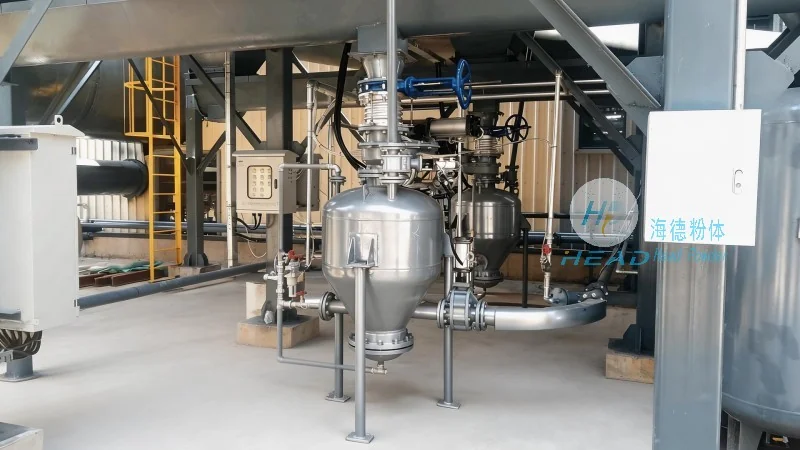
Maintenance and Troubleshooting Tips
To ensure the longevity and optimal performance of the calcium fluoride pneumatic conveying equipment, regular maintenance is essential. Regular checks should be performed on the air compressor, conveyor pipes, and control valve to identify any potential issues. The material hopper and dust collector should also be inspected for blockages or wear. If the system experiences blockages, it may be due to excessive moisture or agglomeration of the powder. In such cases, the powder can be pre-dried or the system can be flushed with air to clear the blockage. Regular cleaning of the dust collector is also necessary to prevent clogging and maintain air quality. By following these maintenance practices, the system can operate efficiently and reliably for extended periods.




