Positive pressure pneumatic conveying systems represent a sophisticated method for transporting bulk materials over long distances with high efficiency and minimal maintenance. These systems are widely utilized in various industries, including food processing, pharmaceuticals, and chemical manufacturing, due to their ability to handle a diverse range of materials while maintaining product integrity. The core of such systems lies in the use of compressed air to generate a positive pressure environment that propels material through a pipeline network.
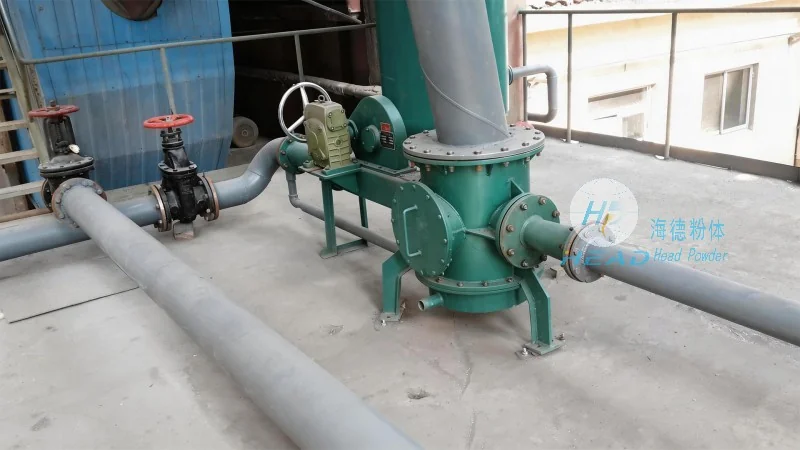
Key Components of a Positive Pressure Pneumatic Conveying System
A typical positive pressure system comprises several critical components that work in concert to ensure smooth operation. The primary elements include a blower or compressor to generate the necessary air pressure, a hopper or feed hopper to store and meter the material, a conveyor line (often made of stainless steel or other corrosion-resistant materials) to transport the material, and a receiver or discharge hopper to collect the material at the destination. Additionally, components like check valves, filters, and pressure regulators are integrated to maintain system stability and prevent backflow or contamination.
Working Principle of Positive Pressure Pneumatic Conveying
The operation of a positive pressure system is based on the principle of air pressure exceeding the atmospheric pressure at the material's discharge point. The process begins when the material is fed into the hopper, where it is then drawn into the conveyor line by the high-pressure air from the blower. As the air and material mixture travels through the pipeline, the air pressure maintains a positive pressure throughout the system, ensuring that material is continuously propelled forward. The velocity of the air and the material's particle size and density determine the optimal air flow rate and pressure required for efficient transport. This method allows for the transport of materials from a central storage area to multiple destinations or vice versa, with the ability to handle both dry and wet materials, depending on the system design.
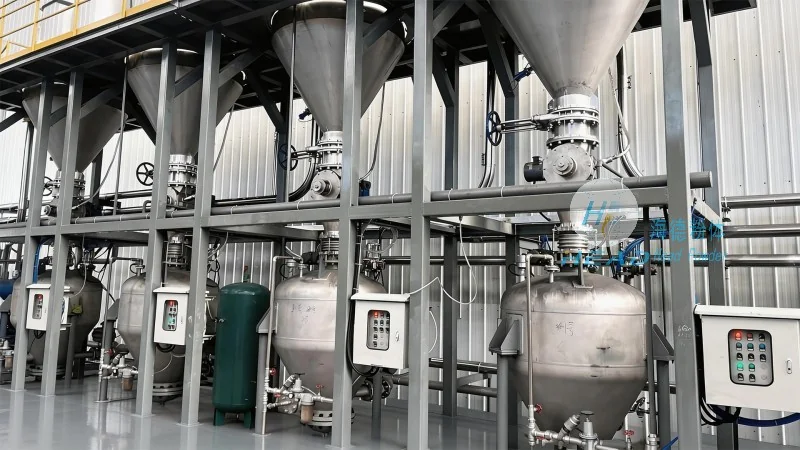
Operation Process of a Positive Pressure Pneumatic Conveying System
The operational process of a positive pressure system involves several sequential steps that ensure consistent and reliable material transport. First, the material is loaded into the feed hopper, which is equipped with a feeder mechanism (such as a screw feeder or rotary valve) to control the flow rate. The feeder then delivers the material into the conveyor line as the blower starts operating, generating the required air pressure. The high-pressure air then mixes with the material, creating a slurry-like mixture that moves through the pipeline. As the mixture reaches the discharge point, the air is separated from the material in the receiver, where the material is collected and the air is either recirculated or vented to the atmosphere. The system continuously operates as long as the material feed and air supply are maintained, with regular monitoring of pressure, flow rate, and material level to ensure optimal performance.
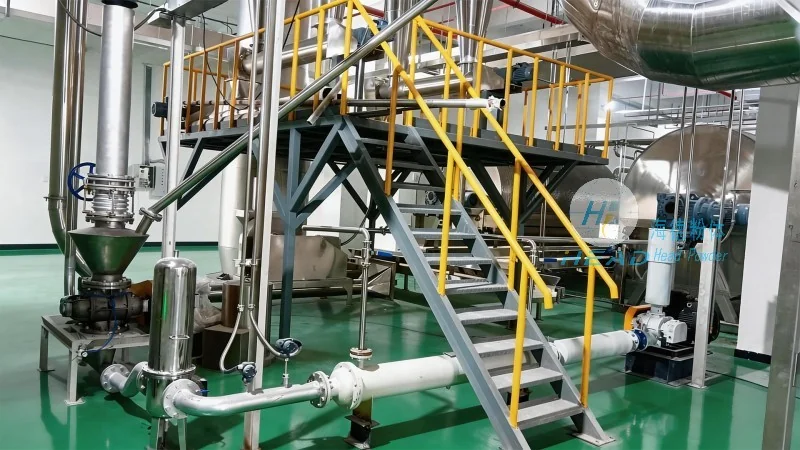
Advantages of Positive Pressure Pneumatic Conveying Systems
Positive pressure systems offer several advantages over other material handling methods. They provide a dust-free and enclosed transport environment, which is crucial for industries dealing with fine powders or sensitive materials. The system's ability to handle materials with varying particle sizes and moisture content makes it versatile for diverse applications. Additionally, the positive pressure design reduces the risk of material backflow or contamination, as the air pressure keeps the material moving in one direction. Maintenance requirements are relatively low compared to other systems, as the components are designed for durability and ease of cleaning. The system also allows for easy integration with other processing equipment, enabling a seamless flow of materials from storage to production lines.
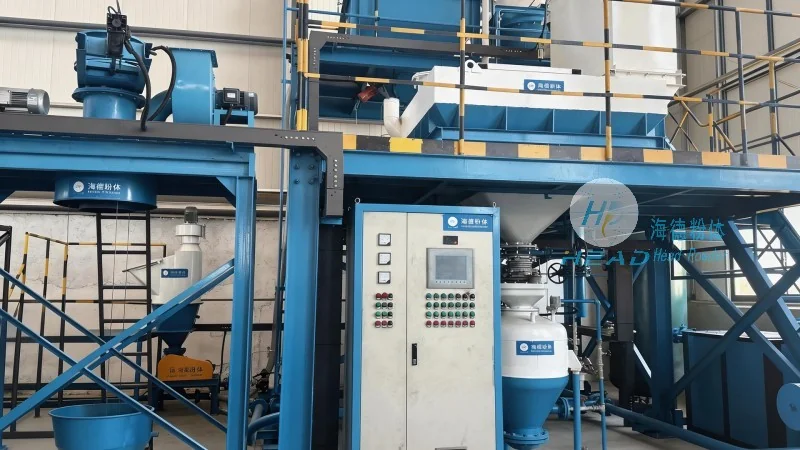
Applications and Industries Utilizing Positive Pressure Pneumatic Conveying
Positive pressure pneumatic conveying systems are employed in a wide range of industries where bulk material transport is essential. In the food and beverage industry, these systems are used to transport ingredients like flour, sugar, and spices while maintaining hygiene standards. The pharmaceutical industry relies on positive pressure systems to handle active pharmaceutical ingredients (APIs) and other sensitive materials, ensuring product purity and preventing contamination. The chemical industry utilizes these systems for transporting powders, granules, and slurries, particularly in processes involving hazardous or reactive materials. Additionally, in the agricultural sector, positive pressure systems are used to transport grains, seeds, and other bulk agricultural products from storage facilities to processing plants. The versatility and efficiency of these systems make them a preferred choice for industries requiring reliable and hygienic material handling solutions.
Conclusion and Company Overview
Positive pressure pneumatic conveying systems are a critical component in modern material handling, offering efficient, hygienic, and versatile solutions for transporting bulk materials. The technology, when properly designed and maintained, provides reliable performance across various industries. As a leading provider in this field, Shandong HeadPowder Engineering Co., Ltd. specializes in the design, manufacturing, and installation of high-quality positive pressure pneumatic conveying systems tailored to meet the specific needs of clients. With a focus on innovation and customer satisfaction, HeadPowder ensures that its systems deliver optimal performance and durability, supporting the operational efficiency of businesses worldwide. Based in Shandong, China, HeadPowder leverages its expertise and local resources to deliver cutting-edge solutions for material handling challenges, contributing to the advancement of industrial processes in the region and beyond.




