

Operation Process and Working Principle of Multi-Point Feeding Pneumatic Conveying Systems
The multi-point feeding pneumatic conveying system is a sophisticated industrial solution designed to transport bulk materials from multiple feeding points to a central collection or processing unit. This system is widely used in various industries such as food processing, pharmaceuticals, chemicals, and minerals, where efficient and reliable material handling is crucial. The system's design allows for simultaneous feeding from several sources, ensuring a continuous and balanced flow of material to the main conveying line.
Key Components and Their Roles
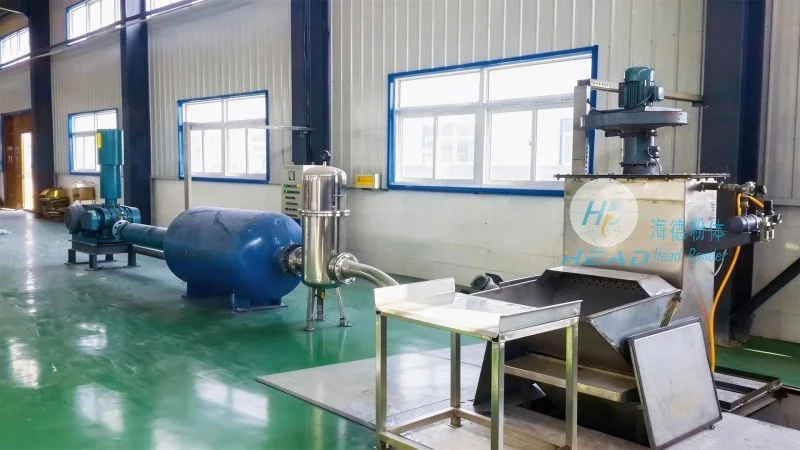
The core components of a multi-point feeding system include the feeding hoppers, pneumatic conveying pipes, air supply units (blowers or compressors), control valves, and the main discharge point. Each component plays a vital role in the system's operation. The feeding hoppers are strategically placed at different locations to collect material from various sources. They are equipped with level sensors and feeding mechanisms (like rotary valves or screw feeders) to regulate the flow of material into the conveying pipes. The pneumatic conveying pipes are typically made of stainless steel or other corrosion-resistant materials to handle different types of bulk materials. The air supply unit generates the necessary air pressure to move the material through the pipes. Control valves are used to regulate the air flow and material flow, ensuring smooth operation and preventing blockages.
Operation Process of the System
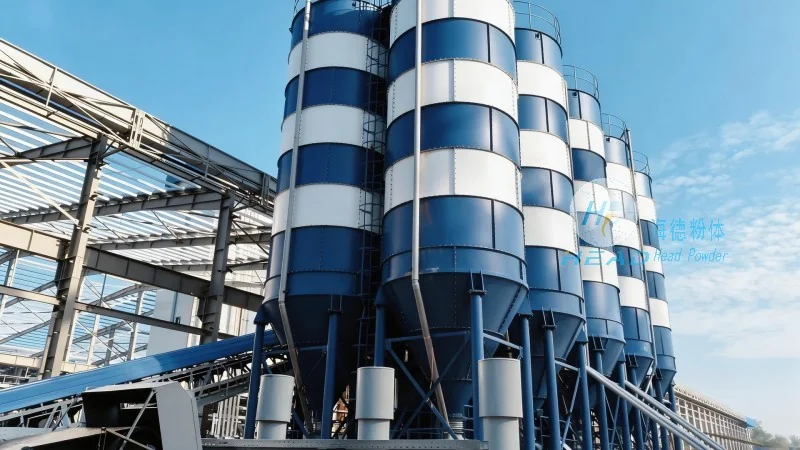
The operation process of a multi-point feeding pneumatic conveying system involves several sequential steps. First, the material is fed into each feeding hopper from its respective source. The feeding mechanism in each hopper then starts to transport the material into the pneumatic conveying pipes. Simultaneously, the air supply unit activates and provides the required air pressure. The air and material mixture travels through the pipes towards the main discharge point. The control valves adjust the air flow and material flow to maintain a consistent velocity and prevent overloading the system. At the discharge point, the material is collected and directed to the next processing stage, such as a silo, storage tank, or processing equipment.
Working Principle Explained
The working principle of the multi-point feeding system is based on the principles of pneumatic conveying, where air is used as the conveying medium to transport solid materials. The system operates under positive pressure, meaning the air pressure inside the pipes is higher than the ambient air pressure. This pressure difference creates a flow of air that pulls the material particles along with it. The feeding hoppers ensure that material is continuously supplied to the system, and the air supply maintains the necessary pressure to keep the material in suspension. The control valves and sensors monitor the system's performance, adjusting the flow rates as needed to maintain optimal operation. The system's efficiency depends on the proper design of the feeding hoppers, the diameter and length of the conveying pipes, and the air pressure and flow rate.
Advantages of Multi-Point Feeding Systems
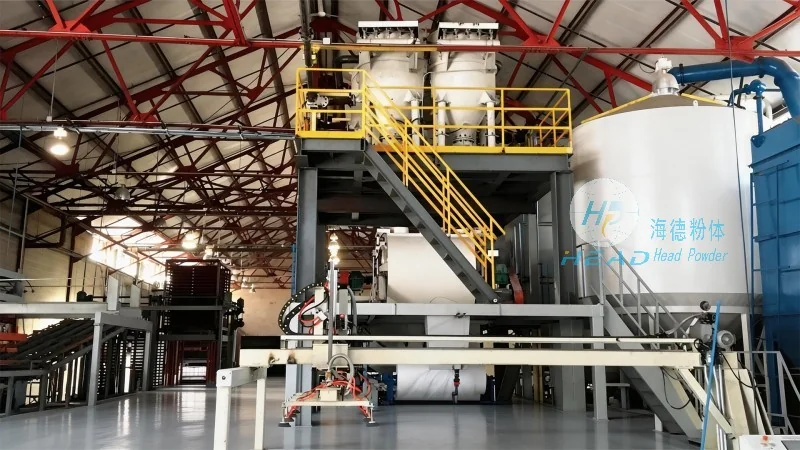
Multi-point feeding pneumatic conveying systems offer several advantages over traditional material handling methods. One of the key benefits is the ability to feed material from multiple sources simultaneously, which increases the system's capacity and flexibility. This allows for continuous operation without the need for manual intervention between batches. Another advantage is the reduced risk of material contamination, as the system is enclosed and uses air as the conveying medium. The system also minimizes the need for manual handling, improving workplace safety and reducing labor costs. Additionally, the system can handle a wide range of materials, including powders, granules, and bulk solids, with minimal maintenance requirements.
Applications and Industries
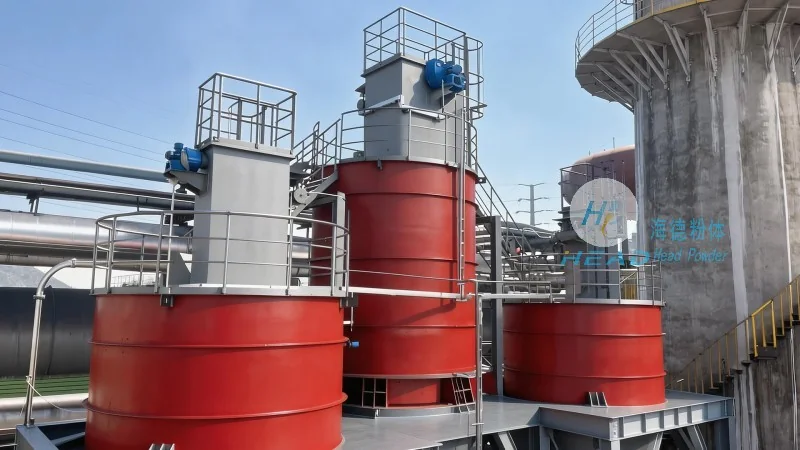
These systems are widely used in various industries due to their versatility and efficiency. In the food and pharmaceutical industries, the systems are used to transport ingredients and raw materials while maintaining strict hygiene standards. In the chemical industry, they handle various chemicals and powders, ensuring safe and efficient material transfer. The minerals and mining industry also utilizes these systems to transport ore and other bulk materials from different extraction points to processing facilities. The system's ability to handle multiple feeding points makes it ideal for large-scale operations where material is sourced from different locations.
Maintenance and Operational Tips
To ensure the long-term performance and reliability of a multi-point feeding pneumatic conveying system, regular maintenance is essential. This includes checking the air supply unit for proper pressure and airflow, inspecting the conveying pipes for blockages or wear, and cleaning the feeding hoppers and control valves. It is also important to monitor the system's performance using sensors and control systems to detect any issues early. Proper training of operators on the system's operation and maintenance is crucial to prevent downtime and ensure safe operation. Regularly replacing worn parts and performing preventive maintenance can significantly extend the system's lifespan and reduce operational costs.