

Operation Process and Working Principle of Automatic Bulk Bag Unloading Pneumatic Conveying System
HeadPowder, a leading provider in the field of bulk material handling solutions, introduces its advanced automatic bulk bag unloading pneumatic conveying system. This system is designed to efficiently handle the unloading and conveying of powders and granules from bulk bags, offering a seamless integration of automation and pneumatic technology for industrial applications. The system is engineered to enhance operational efficiency, reduce labor costs, and ensure consistent material flow in various production environments.
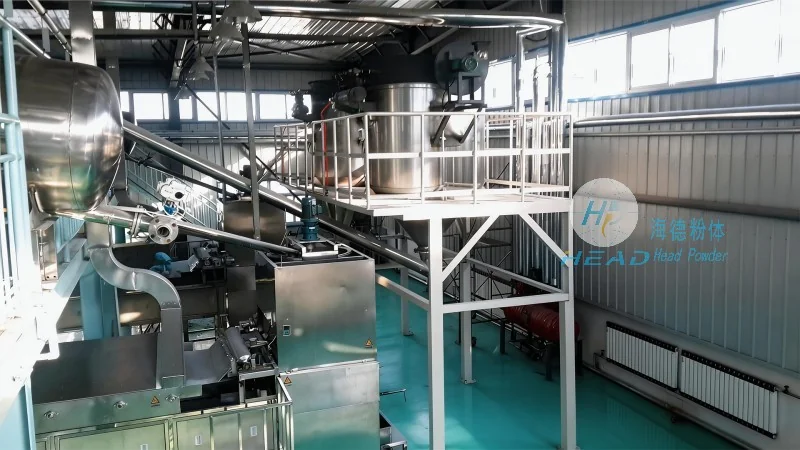
Core Components and Working Principle
The automatic bulk bag unloading pneumatic conveying system from Shandong HeadPowder Engineering Co., Ltd. comprises several key components that work in tandem to achieve the desired material handling tasks. The primary components include the bulk bag support frame, the pneumatic unloader, the air filtration system, and the conveying pipeline. The system operates on the principle of creating a vacuum or pressure differential to move the material from the bag into the conveying system and then to the final destination. The bulk bag is first positioned on the support frame, and the top opening is sealed to prevent material spillage. The pneumatic unloader then attaches to the bag, and the air filtration system ensures that the air used for conveying is clean and free from dust particles. The conveying pipeline transports the material to the desired location, such as a storage silo or a processing unit.
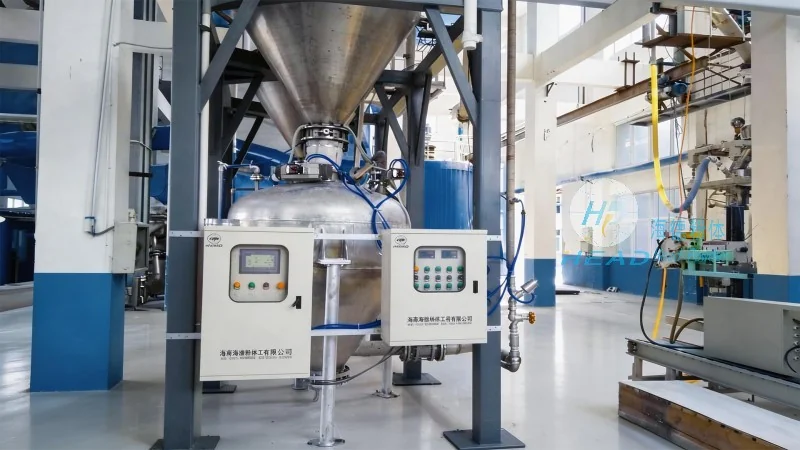
Operation Process: Step-by-Step Guide
The operation of the automatic bulk bag unloading pneumatic conveying system involves a series of well-defined steps to ensure smooth and efficient material handling. The process begins with the placement of the bulk bag onto the support frame, which is equipped with a lifting mechanism to secure the bag in place. Next, the pneumatic unloader is connected to the top opening of the bag, and the system is activated to start the unloading process. The air filtration system is engaged to filter the air used for conveying, ensuring that the material is transported without contamination. The conveying pipeline is then pressurized, and the material is drawn from the bag into the pipeline. The system monitors the flow rate and pressure to maintain consistent material transfer. Once the bulk bag is emptied, the system automatically shuts down, and the bag is removed for disposal or reuse. The entire process is automated, minimizing human intervention and reducing the risk of material loss or contamination.
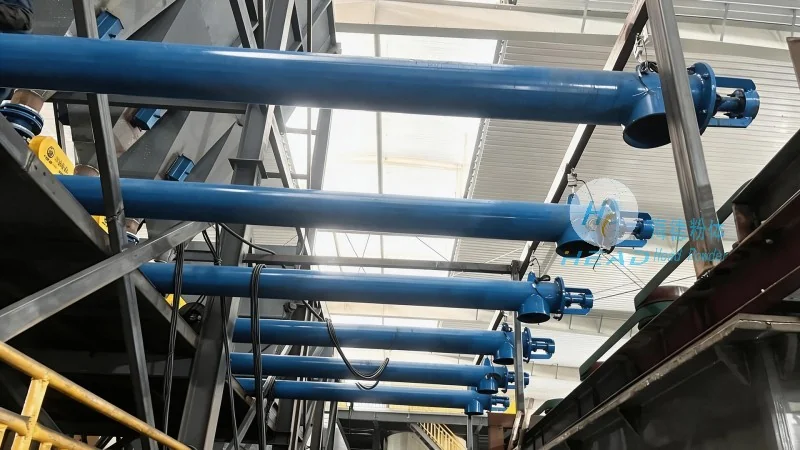
Advantages and Benefits
The automatic bulk bag unloading pneumatic conveying system offers several advantages that make it an ideal choice for industrial applications. Firstly, it significantly reduces labor costs by automating the unloading process, which is typically a time-consuming and labor-intensive task. Secondly, the system ensures consistent material flow, which is crucial for maintaining production efficiency and quality. The pneumatic conveying method also minimizes material degradation and contamination, as the material is transported in a closed system. Additionally, the system is compact and can be easily integrated into existing production lines, making it a flexible solution for various industrial settings. The use of advanced control systems allows for precise monitoring and adjustment of the conveying parameters, ensuring optimal performance.
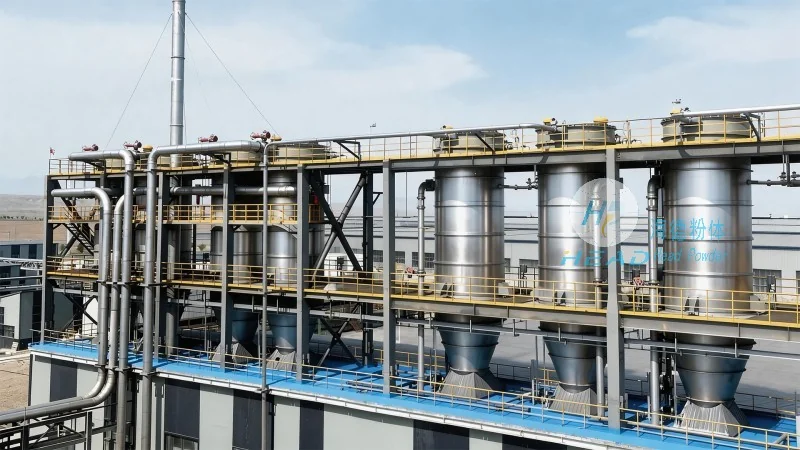
Application Scenarios
The automatic bulk bag unloading pneumatic conveying system is widely used in various industries, including food processing, pharmaceuticals, chemicals, and minerals. In the food industry, it is used to handle powders such as flour, sugar, and spices, ensuring that the material is handled hygienically and without contamination. In the pharmaceutical industry, the system is used to transport active pharmaceutical ingredients (APIs) and other sensitive materials, maintaining the integrity and purity of the product. In the chemical industry, it is used to handle bulk chemicals, such as powders and granules, ensuring safe and efficient material transfer. The system is also suitable for handling minerals and other bulk materials in mining and construction industries, where large quantities of material need to be transported efficiently.