For companies in the lithium-ion battery industry, the efficient handling of anode materials is a critical aspect of production. Pneumatic conveying systems offer a solution that combines precision, speed, and safety for transporting these materials. This article explores the operation process and working principles of such systems, with a focus on how they enhance productivity and material integrity in the production of lithium-ion battery anodes.
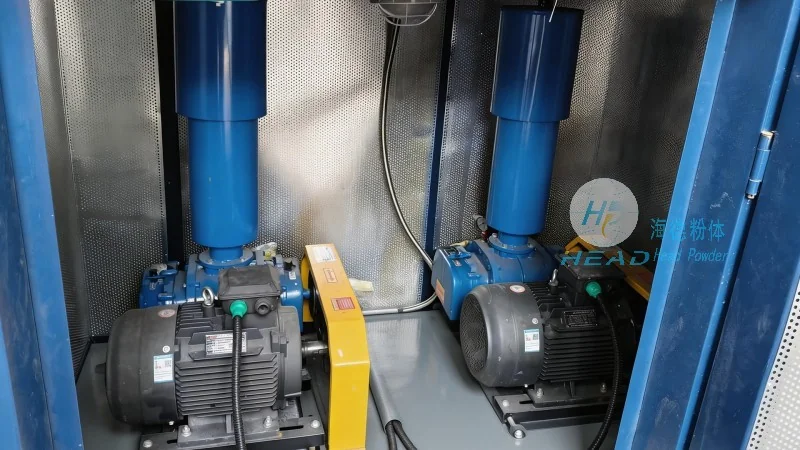
Understanding the Core Components of Pneumatic Conveying
The pneumatic conveying system for lithium-ion battery anode materials typically consists of several key components. These include a hopper or feeder to store and meter the material, a conveying line (often made of metal or flexible tubing), a fan or blower to generate the air flow, and a receiver or collection tank at the discharge end. Each component plays a vital role in ensuring the smooth and controlled movement of the anode material from the source to the processing equipment.
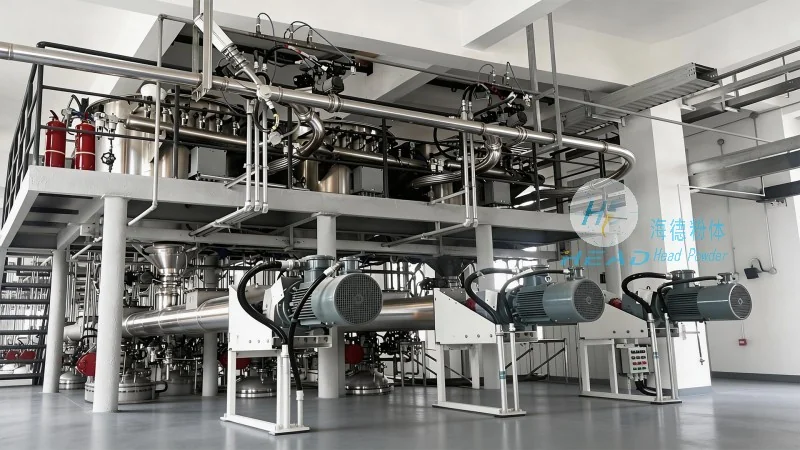
The Working Principle: How Pneumatic Conveying Transports Materials
The fundamental principle of pneumatic conveying is the use of air pressure to move particulate materials. In a typical system, the anode material is fed into the conveying line from the hopper. The fan then creates a flow of air, which draws the material particles into the line. As the air flows through the system, it transports the material to the receiver. The velocity of the air and the design of the conveying line are carefully controlled to prevent material degradation, such as agglomeration or breakage, which could affect the quality of the final battery anode.
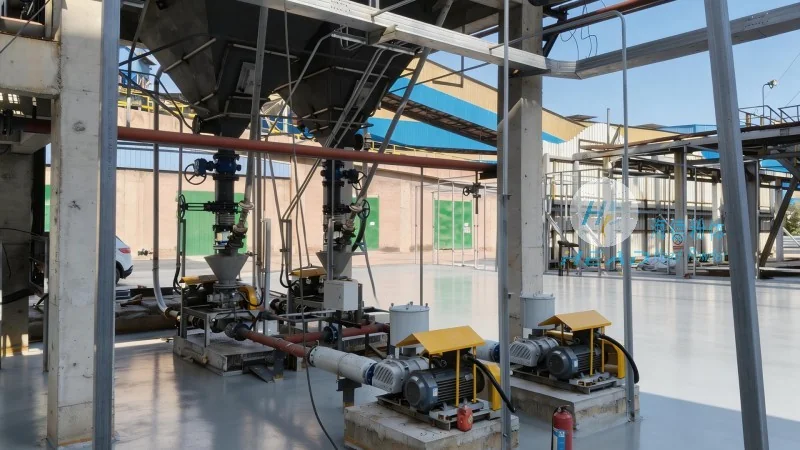
Operation Process: Step-by-Step Guide
The operation process of a pneumatic conveying system for lithium-ion battery anode materials involves several sequential steps. First, the anode material is loaded into the hopper. The feeder then regulates the flow rate, ensuring a consistent supply of material into the conveying line. The fan activates, generating the necessary air pressure to initiate the conveying process. As the material travels through the line, it is carried by the air stream to the receiver. The receiver collects the material and may be connected to the next stage of the production process, such as mixing or coating. The system may also include a filter to capture any fine particles and prevent contamination of the air system.
Benefits of Using Pneumatic Conveying for Anode Materials
Implementing a pneumatic conveying system for lithium-ion battery anode materials offers several advantages. These include improved safety by eliminating the need for manual handling of potentially hazardous materials, enhanced material quality through reduced exposure to external contaminants, and increased operational efficiency by automating the material transport process. Additionally, the system can be designed to handle a wide range of particle sizes and flow rates, making it adaptable to different production requirements.
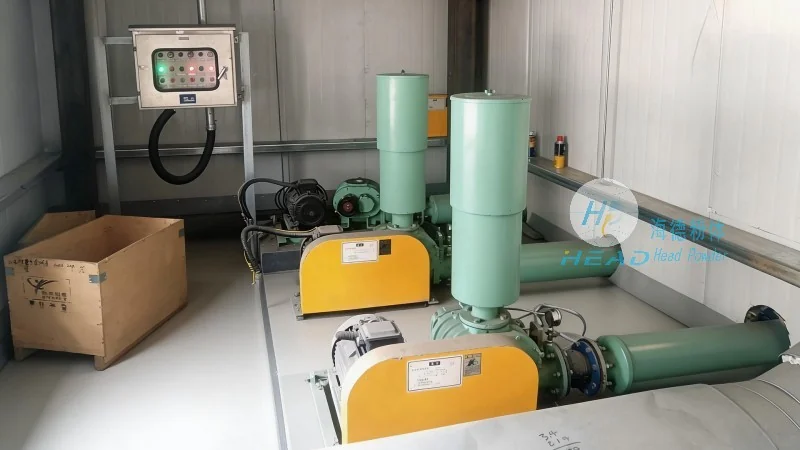
Company Profile: Shandong HeadPowder Engineering Co., Ltd.
HeadPowder, a leading provider of engineering solutions for material handling, specializes in the design and manufacturing of pneumatic conveying systems tailored to the needs of the lithium-ion battery industry. With a focus on innovation and customer satisfaction, HeadPowder has developed advanced systems that ensure the efficient and reliable transport of anode materials. The company’s headquarters is located in Shandong, China, and it serves clients globally with customized solutions that meet the stringent requirements of modern battery production.




