When it comes to transporting carbon materials, various methods are employed in industrial settings. These methods vary based on the material properties, process requirements, and operational conditions. Understanding the different options is crucial for selecting the most efficient and cost-effective solution. In this article, we will explore common carbon material conveying methods and highlight the advantages of HeadPowder's pneumatic conveying technology.
Overview of Conventional Carbon Material Conveying Methods
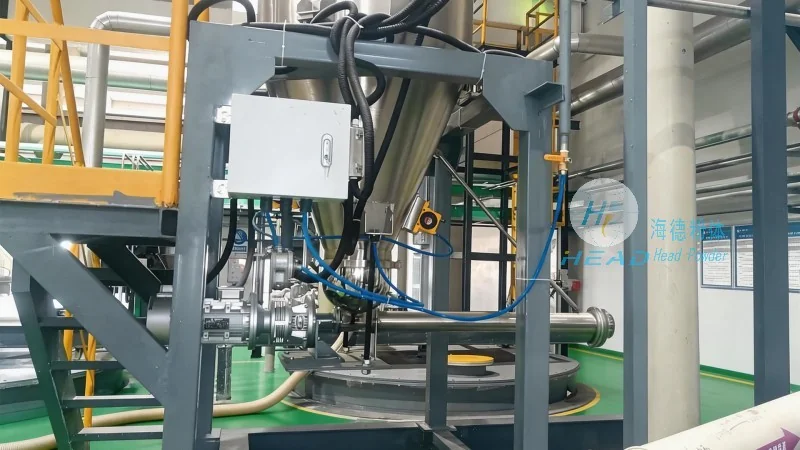
Traditional carbon material conveying often relies on gravity, mechanical systems, or pneumatic systems. Gravity-based methods involve using chutes or inclined planes to allow materials to flow under the influence of gravity. This approach is simple and low-cost but is limited by the material's angle of repose and the layout of the facility. Mechanical conveying, such as belt conveyors or screw conveyors, uses mechanical power to move materials. These systems are robust and suitable for bulk materials but may face challenges with abrasive or sticky carbon materials, leading to wear and maintenance issues. Pneumatic conveying, which uses air pressure to transport materials, offers a more flexible and efficient alternative.
HeadPowder's Pneumatic Conveying Technology: Key Advantages
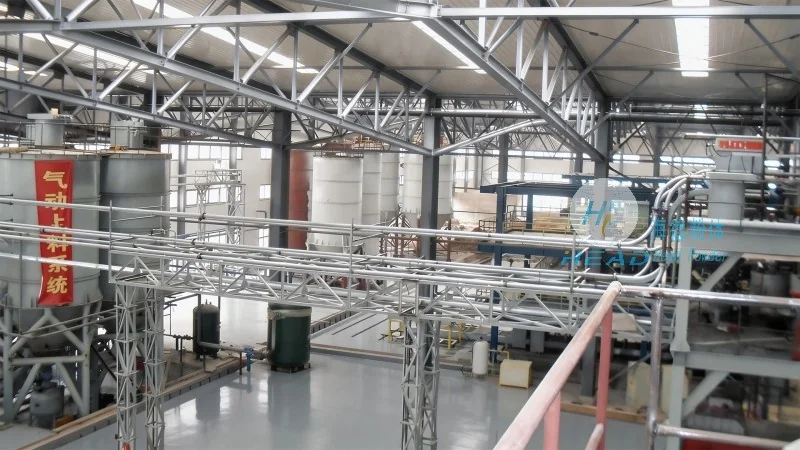
HeadPowder, a leading provider of carbon material handling solutions, specializes in pneumatic conveying systems. The company, headquartered in Shandong, China, has established itself as a trusted partner in the carbon material processing industry. By leveraging advanced engineering and materials science, HeadPowder has developed a range of pneumatic conveying solutions tailored to the unique needs of carbon material processing. The key advantages of HeadPowder's pneumatic conveying systems include:
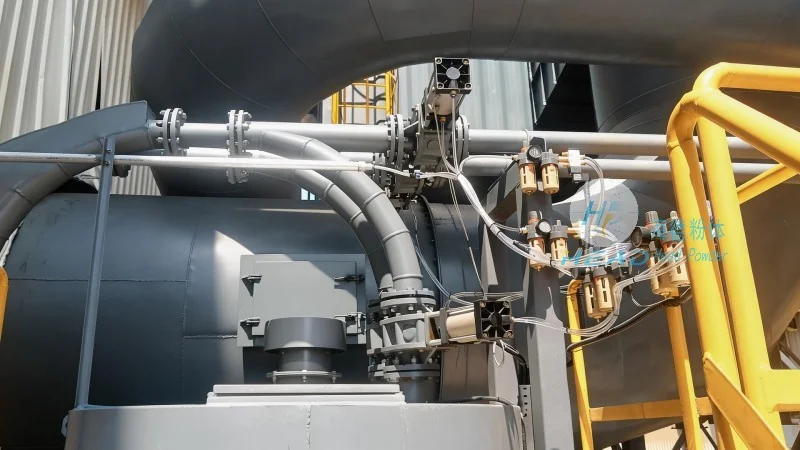
- Efficient Material Handling: Pneumatic systems can transport carbon materials over long distances with minimal energy consumption. The use of positive or negative pressure ensures consistent flow rates, reducing downtime and improving overall productivity.
- Low Maintenance and Long Service Life: Unlike mechanical systems, pneumatic conveying components are less prone to wear and tear. The absence of moving parts in the conveying line reduces maintenance requirements and extends the service life of the equipment.
- Flexibility in Layout and Design: Pneumatic conveying systems can be easily integrated into existing facilities or customized to fit new plant designs. The modular nature of these systems allows for adjustments in capacity and layout as production needs change.
- Reduced Downtime and Increased Productivity: By minimizing material spillage and blockages, pneumatic systems enhance operational efficiency. The ability to handle a wide range of carbon materials, from powders to granules, ensures versatility in processing applications.
Application Examples in Carbon Material Processing
HeadPowder's pneumatic conveying systems are widely used in various carbon material processing industries. For instance, in graphite production, the system efficiently transports graphite powders from grinding mills to filtration and drying units. In carbon black manufacturing, the technology ensures consistent delivery of carbon black to mixing and compounding equipment. The reliability of HeadPowder's systems has been proven in applications involving high-volume carbon material transport, where efficiency and consistency are critical.
Conclusion: Choosing the Right Conveying Solution for Carbon Materials
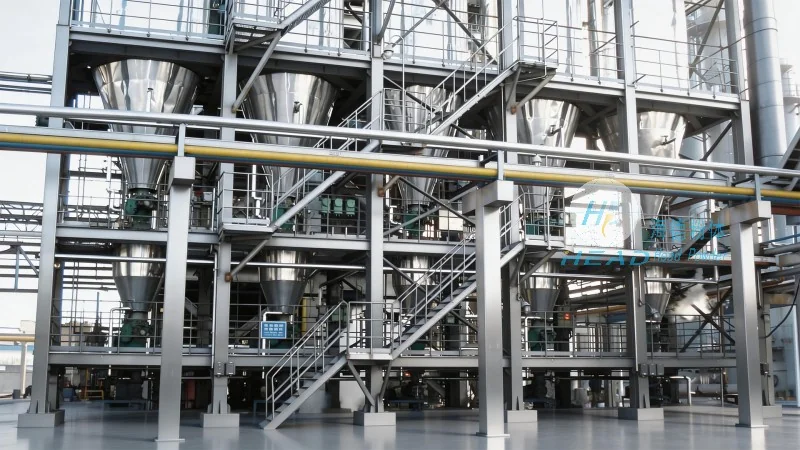
When selecting a carbon material conveying method, factors such as material properties, process requirements, and operational costs must be carefully considered. While traditional methods have their place, pneumatic conveying offers significant advantages in terms of efficiency, flexibility, and maintenance. HeadPowder's expertise in pneumatic conveying technology provides industrial facilities with a reliable and effective solution for their carbon material handling needs. By partnering with HeadPowder, companies can enhance their production processes, reduce operational costs, and improve overall productivity.




