

What is a Calcium Oxide Dry Powder Material Handling System? And What Are Its Design Principles?
For industries dealing with calcium oxide, a reliable and efficient dry powder material handling system is crucial. This system is specifically designed to handle the unique properties of calcium oxide, ensuring safe and effective transportation from storage to processing units. The system's design integrates advanced engineering principles to address the challenges posed by this material, such as its reactivity and dust generation. In this article, we explore the core components, operational mechanisms, and design principles behind such systems, with a focus on how they enhance operational efficiency and safety in industrial settings.
Key Components of a Calcium Oxide Dry Powder Handling System
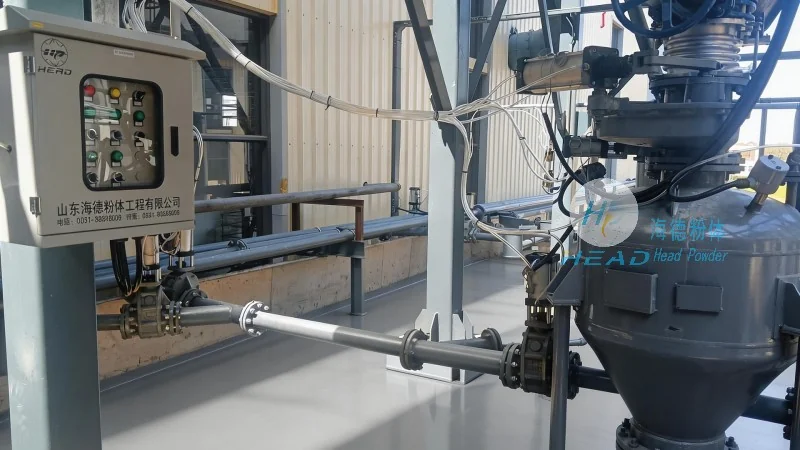
The calcium oxide dry powder material handling system typically consists of several critical components that work in tandem to ensure smooth material flow. These components include storage silos or hoppers, conveying equipment like pneumatic or mechanical conveyors, dust control systems, and material handling equipment such as feeders and valves. Each component is engineered to handle the specific characteristics of calcium oxide, which is known for its high reactivity and tendency to generate dust during handling. The storage silos are often designed with anti-static and corrosion-resistant materials to prevent material degradation and ensure long-term durability. Conveying systems may use positive pressure or negative pressure to transport the powder, depending on the specific requirements of the application. Dust control systems, including filters and scrubbers, are essential to maintain air quality and comply with environmental regulations. Feeders and valves are used to regulate the flow rate and prevent blockages, which can occur due to the material's cohesive properties.
Design Principles for Optimal Performance
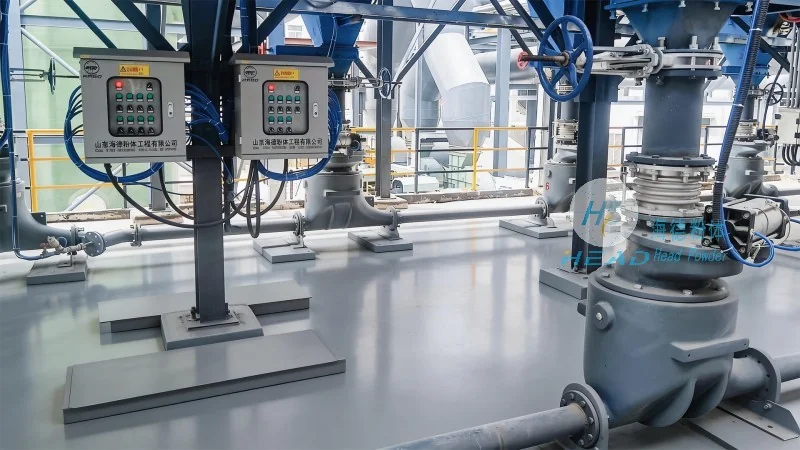
The design of a calcium oxide dry powder handling system is guided by several key principles aimed at maximizing efficiency, safety, and durability. One of the primary principles is the minimization of material degradation and contamination. This is achieved through the use of materials that are resistant to chemical reactions with calcium oxide, such as stainless steel or specialized coatings. The system is also designed to prevent moisture ingress, as calcium oxide reacts with water to form calcium hydroxide, which can alter its properties and reduce its effectiveness. Another critical principle is the prevention of dust explosions, which is a significant hazard in powder handling operations. This is addressed through the implementation of explosion-proof designs, including venting systems and flame arrestors. The system's layout is also optimized to minimize the distance between storage and processing units, reducing the risk of material degradation and improving overall efficiency. Additionally, the design incorporates features for easy maintenance and cleaning, ensuring that the system can be kept in optimal condition over time.
Operational Mechanisms and Safety Measures
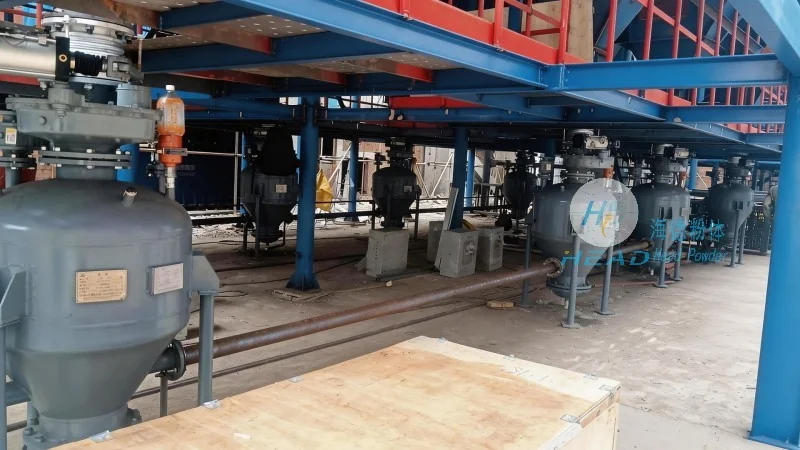
The operational mechanisms of a calcium oxide dry powder handling system involve a series of steps that ensure the material is handled safely and efficiently. The process typically begins with the material being stored in a silo or hopper. From there, it is transferred to a conveyor system, which may use air pressure to move the powder through a pipeline. The conveying system is equipped with filters and other safety devices to prevent dust from escaping into the environment. At the processing unit, the material is discharged into a reactor or other equipment, where it is used in various applications, such as in the production of cement, steel, or other industrial products. Throughout the process, safety measures are implemented to protect workers from exposure to calcium oxide dust and other hazards. These measures include the use of personal protective equipment (PPE), such as respirators and gloves, as well as the implementation of local exhaust ventilation systems to remove dust from the air. The system is also designed with emergency shut-off valves and other safety features to prevent accidents in case of malfunctions.
Applications and Benefits of the System
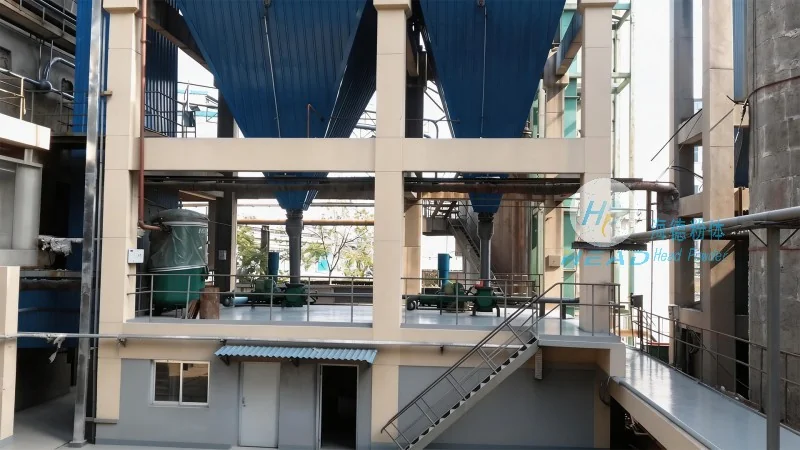
The calcium oxide dry powder handling system is widely used in various industries due to its ability to handle this material efficiently and safely. Some of the key applications include the production of cement, where calcium oxide is used as a raw material, and the steel industry, where it is used in the production of steel and other metal products. The system also finds applications in the chemical industry, where calcium oxide is used as a catalyst or in the production of other chemicals. The benefits of using such a system include improved operational efficiency, reduced material waste, and enhanced safety for workers. By minimizing dust generation and preventing material degradation, the system helps to reduce costs and improve product quality. Additionally, the system's design allows for easy integration with existing industrial processes, making it a cost-effective solution for many applications.