

What Are Mobile Material Handling Equipment? And What Are Their Design Principles?
Mobile material handling equipment represents a critical category of industrial machinery designed to transport, move, or transfer materials within various operational environments. These systems are integral to enhancing operational efficiency, safety, and productivity across industries such as manufacturing, logistics, construction, and warehousing. The core function of mobile material handling equipment is to facilitate the movement of goods from one location to another without the need for manual labor or fixed infrastructure, thereby streamlining workflows and reducing operational bottlenecks. As a leading manufacturer in the field, Shandong HeadPowder Engineering Co., Ltd. specializes in developing and supplying a wide range of mobile material handling solutions tailored to meet the diverse needs of industrial clients.
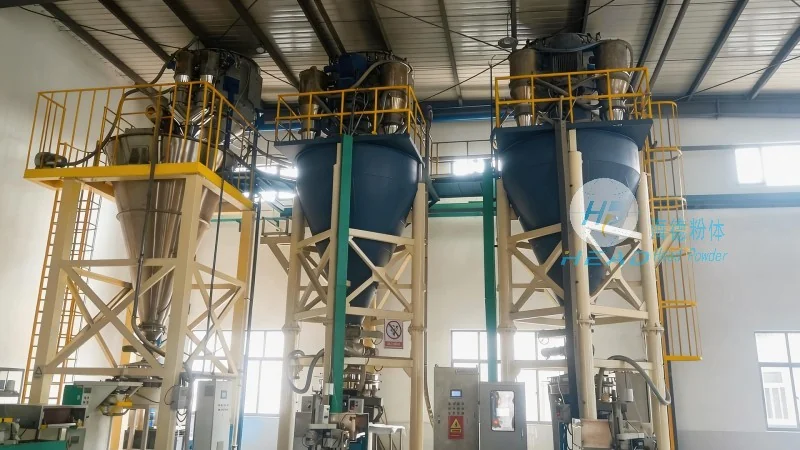
Understanding the Core Components and Functions of Mobile Material Handling Equipment
At the heart of mobile material handling equipment are several key components that work in concert to achieve effective material transport. These components typically include a power source (such as electric motors or hydraulic systems), a load-bearing structure (like a platform or conveyor belt), and control mechanisms that allow operators to maneuver the equipment. The design of these components is tailored to the specific requirements of the materials being handled, including weight, size, and fragility. For instance, some equipment may feature adjustable lifting heights or variable speed controls to accommodate diverse load types. The control systems often incorporate safety features, such as emergency stop buttons and overload protection, to ensure operational safety and prevent equipment damage. Shandong HeadPowder Engineering Co., Ltd. emphasizes the integration of robust safety features in all its mobile material handling equipment, aligning with industry standards and regulatory requirements.
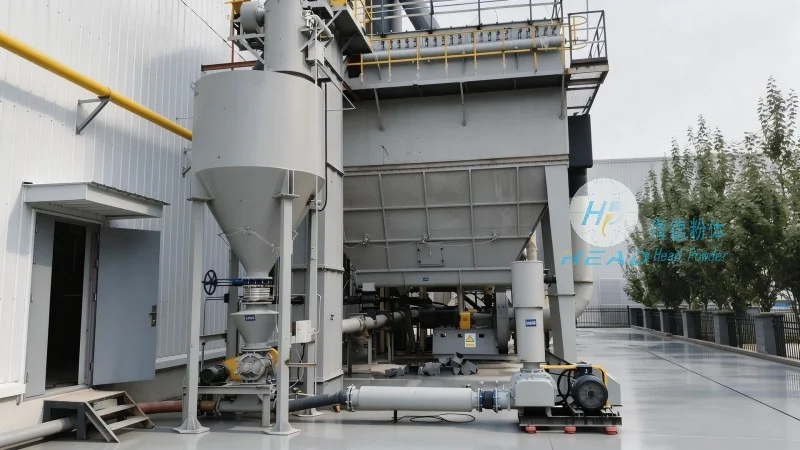
Design Principles Underpinning Mobile Material Handling Equipment
The design principles of mobile material handling equipment are guided by several fundamental factors that balance functionality, efficiency, and safety. One primary principle is the optimization of energy consumption, as mobile equipment often operates on battery power or limited fuel sources. Engineers employ lightweight materials, such as aluminum or composite composites, to reduce overall weight while maintaining structural integrity. This not only enhances maneuverability but also extends the operational range of the equipment. Another critical design principle is modularity, allowing equipment to be customized or upgraded to meet evolving operational needs. For example, a basic material handling cart can be equipped with additional features like lifting mechanisms or automated steering systems to adapt to different tasks. Additionally, ergonomic design is a key consideration, as operators must interact with the equipment for extended periods. This involves intuitive control interfaces and adjustable seating to minimize fatigue and improve user comfort. Shandong HeadPowder Engineering Co., Ltd. prioritizes ergonomic design in its equipment to enhance operator satisfaction and reduce the risk of work-related injuries.
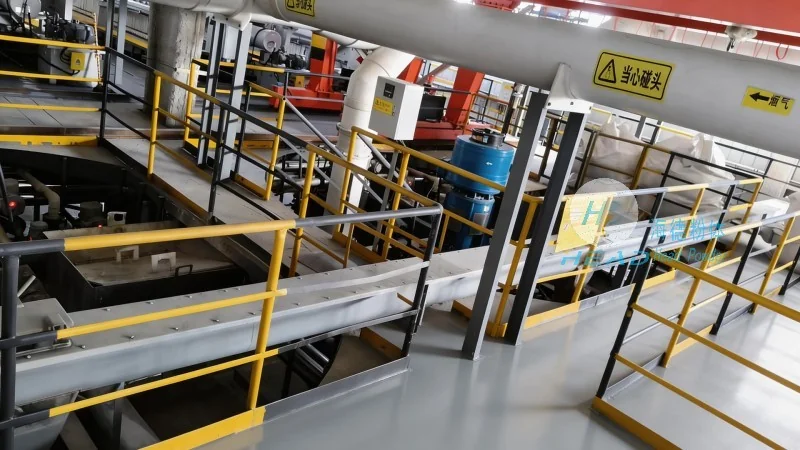
Applications and Benefits of Mobile Material Handling Equipment in Industrial Settings
Mobile material handling equipment finds widespread application across various industrial sectors, where its versatility and adaptability make it an indispensable asset. In manufacturing plants, these systems are used to transport raw materials to production lines and finished products to storage areas, reducing the time and labor required for material transfer. In logistics and warehousing, mobile equipment facilitates the movement of goods between storage racks and loading docks, improving order fulfillment speed and reducing the risk of manual handling injuries. Construction sites also benefit from mobile material handling equipment, as it enables the transport of building materials, tools, and equipment to different work zones without the need for manual lifting or heavy machinery. The benefits of using mobile material handling equipment extend beyond operational efficiency; they also contribute to workplace safety by minimizing the risk of accidents associated with manual material handling. Furthermore, these systems can enhance productivity by allowing workers to focus on value-added tasks rather than repetitive material transport activities. Shandong HeadPowder Engineering Co., Ltd. has successfully implemented mobile material handling solutions for numerous clients, demonstrating the practical advantages of these systems in real-world industrial applications.
Key Considerations for Selecting and Implementing Mobile Material Handling Equipment
When selecting mobile material handling equipment, organizations must consider several factors to ensure optimal performance and alignment with their operational needs. The first consideration is the type of materials to be handled, as different equipment is designed for specific load characteristics. For example, equipment intended for heavy loads may require stronger structural components and more robust lifting mechanisms, while equipment for lighter, fragile items may prioritize gentler handling features. Another critical factor is the operational environment, including factors such as space constraints, floor conditions, and environmental regulations. Equipment must be able to operate effectively in the specific conditions of the workplace, whether it is a narrow factory floor or an outdoor construction site. Additionally, the integration of the equipment with existing systems is an important consideration. Many modern mobile material handling equipment can be integrated with warehouse management systems (WMS) or enterprise resource planning (ERP) software, enabling real-time tracking and optimization of material flow. This integration enhances overall operational visibility and supports data-driven decision-making. Shandong HeadPowder Engineering Co., Ltd. provides comprehensive consultation services to help clients assess their material handling needs and select the most suitable equipment, ensuring a seamless implementation process.
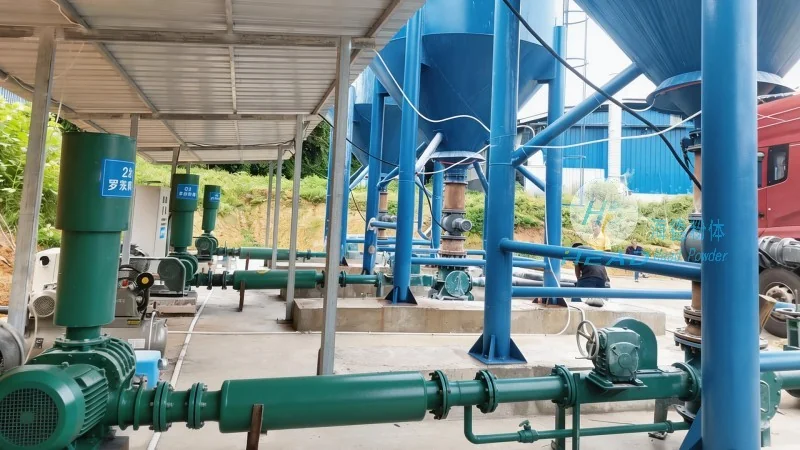
Future Trends and Innovations in Mobile Material Handling Equipment
As technology advances, mobile material handling equipment is evolving to incorporate new innovations that further enhance its capabilities. One emerging trend is the integration of automation and artificial intelligence (AI) into mobile equipment. Automated guided vehicles (AGVs) and autonomous mobile robots (AMRs) are increasingly being used to perform material transport tasks with minimal human intervention. These systems use sensors and machine learning algorithms to navigate environments, avoid obstacles, and optimize routes, leading to greater efficiency and reduced labor costs. Another innovation is the adoption of electric and battery-powered systems, which offer greater environmental sustainability and lower operational costs compared to traditional fuel-powered equipment. Additionally, the use of advanced materials and lightweight designs is continuing to improve the performance and maneuverability of mobile equipment. These advancements are expected to further expand the applications of mobile material handling equipment and make it an even more critical component of modern industrial operations. Shandong HeadPowder Engineering Co., Ltd. is committed to staying at the forefront of these technological advancements, continuously developing innovative solutions to meet the evolving demands of the industry.