

What Are Fast Loading Material Handling Conveyors? Exploring Their Design Principles
Fast loading material handling conveyors are essential components in modern industrial and manufacturing environments, designed to efficiently transport materials from one location to another with minimal downtime and maximum throughput. These systems are crucial for optimizing production lines, reducing labor costs, and enhancing overall operational efficiency. Understanding the design principles behind these advanced conveyors is key to leveraging their full potential in various applications.
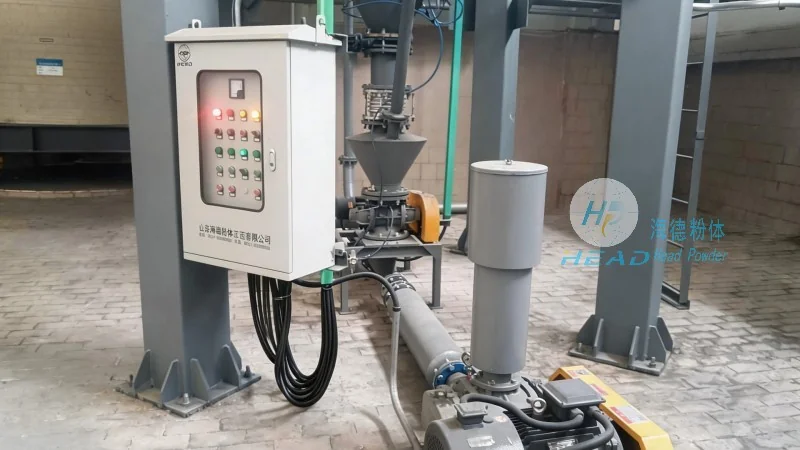
Introduction to Fast Loading Material Handling Conveyors
Fast loading material handling conveyors, often referred to as high-speed or rapid material transport systems, are engineered to handle a wide range of materials, including bulk goods, packaged products, and even delicate items. The primary goal of these systems is to accelerate the material flow process, ensuring that raw materials are delivered to processing stations quickly and that finished products are moved efficiently to storage or shipping areas. This rapid material handling capability is achieved through a combination of advanced mechanical designs, intelligent control systems, and optimized layout configurations.
Key Design Principles of Fast Loading Conveyors
The design of fast loading material handling conveyors revolves around several core principles that ensure high performance and reliability. First, the system must prioritize speed and throughput, meaning components such as rollers, belts, or chains are engineered to operate at high speeds while maintaining durability. Second, the conveyor must be designed for easy integration with existing production lines, allowing for seamless material transfer without disrupting ongoing operations. Third, the system should incorporate robust safety features, including emergency stop mechanisms and protective guards, to safeguard both personnel and equipment. Additionally, the design emphasizes flexibility, enabling adjustments to accommodate different material sizes, shapes, and handling requirements.
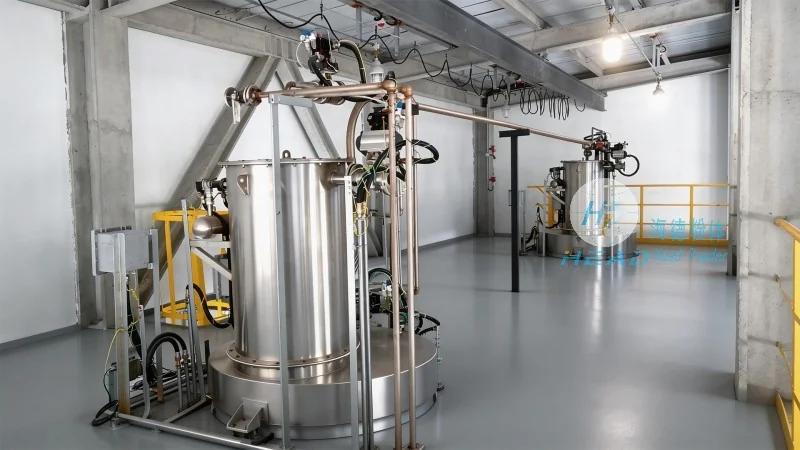
Components and Mechanisms in Fast Loading Conveyors
Fast loading material handling conveyors typically consist of several key components that work in harmony to achieve their objectives. The driving mechanism, which may include electric motors, gearboxes, or variable frequency drives, provides the necessary power to move the conveyor system. The conveyor bed, made from materials like stainless steel, plastic, or metal, supports the material being transported and is designed to withstand heavy loads and frequent use. For systems handling bulk materials, components such as feeders, hoppers, and chutes are integrated to ensure smooth material flow. Additionally, control systems, including programmable logic controllers (PLCs) and sensors, monitor the conveyor's operation, detect malfunctions, and adjust speed or direction as needed to maintain optimal performance.
Applications and Industries Benefiting from Fast Loading Conveyors
Fast loading material handling conveyors are widely used across various industries, including manufacturing, logistics, and food processing. In manufacturing, these systems are critical for transporting raw materials to assembly lines and finished products to packaging stations, reducing bottlenecks and improving production efficiency. In logistics and warehousing, they enhance the speed of order fulfillment by quickly moving inventory between storage and shipping areas. The food processing industry also relies on these conveyors for handling perishable goods, ensuring that products are moved quickly and hygienically to prevent spoilage. Other applications include automotive manufacturing, where high-speed conveyors are used to transport car parts, and pharmaceutical production, where precise material handling is essential for maintaining product quality and safety.
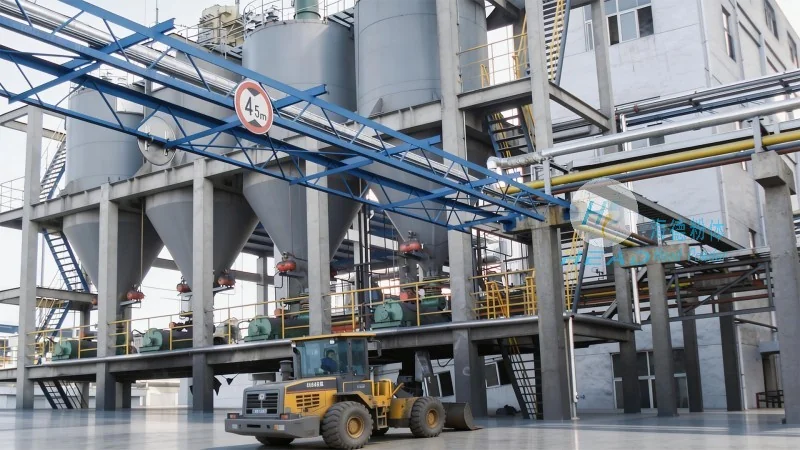
Advantages of Implementing Fast Loading Material Handling Conveyors
Adopting fast loading material handling conveyors offers numerous advantages for businesses. The most significant benefit is the improvement in operational efficiency, as these systems reduce the time required for material transport, leading to faster production cycles and increased output. Additionally, they minimize labor costs by automating material handling tasks, freeing up workers to focus on more value-added activities. The systems also enhance safety by reducing the need for manual material handling, which can lead to injuries. Furthermore, fast loading conveyors improve product quality by ensuring consistent and controlled material flow, minimizing the risk of damage or contamination. Finally, these systems are designed for durability and low maintenance, reducing long-term operational costs and downtime.
Customization and Integration with Existing Systems
One of the key strengths of fast loading material handling conveyors is their adaptability. Manufacturers can customize these systems to meet specific operational needs, such as adjusting the conveyor's length, width, or speed to accommodate different production volumes or material types. Integration with existing production lines is also straightforward, as these conveyors can be connected to existing control systems or automated manufacturing equipment. This flexibility allows businesses to upgrade their material handling capabilities without major overhauls to their current infrastructure. Furthermore, many manufacturers offer tailored solutions, working closely with clients to design conveyors that align with their unique processes and requirements.
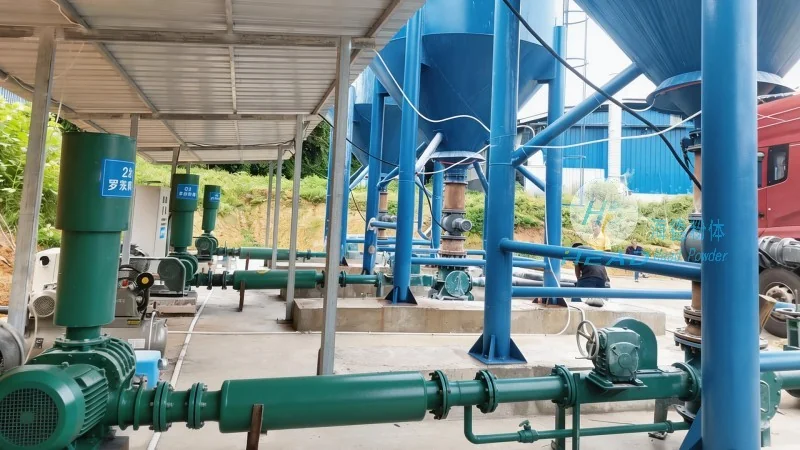
Future Trends and Innovations in Fast Loading Conveyors
As technology advances, fast loading material handling conveyors are evolving to incorporate new innovations that further enhance their performance. One trend is the integration of artificial intelligence (AI) and machine learning (ML) into control systems, enabling predictive maintenance and real-time optimization of conveyor operations. Another innovation is the use of advanced sensors, such as vision systems and weight sensors, to improve material tracking and quality control. Additionally, the adoption of automation and robotics in conjunction with conveyors is becoming more common, creating fully automated material handling solutions that reduce human intervention. These advancements are expected to continue driving the efficiency and reliability of fast loading conveyors in the coming years.
Conclusion
Fast loading material handling conveyors are indispensable tools for modern industries, offering efficient, reliable, and flexible solutions for material transport. By understanding their design principles and components, businesses can make informed decisions about implementing these systems to improve their operational performance. As technology continues to advance, these conveyors will likely become even more sophisticated, further enhancing their role in optimizing production and logistics processes. For companies seeking to enhance their material handling capabilities, investing in fast loading conveyors is a strategic move that can lead to significant improvements in productivity, cost reduction, and overall competitiveness.