

What Are Automatic Quantitative Material Handling Equipment? And What Are Their Design Principles?
Automatic quantitative material handling equipment plays a crucial role in modern industrial processes, enabling precise and efficient transfer of materials from one location to another. These systems are designed to handle various types of bulk materials, including powders, granules, and other particulate substances, with high accuracy and reliability. The primary function of such equipment is to ensure that materials are transported in the correct quantities, meeting the specific requirements of downstream processes like packaging, mixing, or further processing. This article explores the fundamental aspects of these devices, focusing on their design principles and the technology behind their operation.
Key Components and Design Principles of Automatic Quantitative Material Handling Equipment
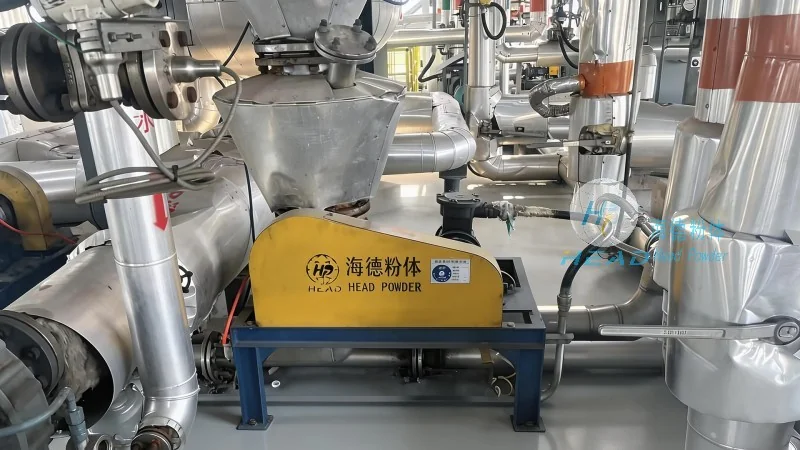
The design of automatic quantitative material handling equipment is based on several core principles to achieve consistent and accurate material transfer. A typical system consists of several key components, each contributing to the overall functionality. The first component is the hopper or feed hopper, which holds the material to be transported. This container is designed to maintain a stable material level, preventing issues like bridging or caking that could disrupt the flow. The hopper is often equipped with a level sensor to monitor the material height, ensuring optimal feeding conditions. Next, the feeding mechanism, such as a screw feeder or a vibratory feeder, is responsible for moving the material from the hopper into the conveying system. Screw feeders use rotating screws to push material forward, while vibratory feeders utilize oscillating motion to create a flow. The choice of feeding mechanism depends on the material's properties, such as density, flowability, and particle size. The conveying system, which may include pneumatic or mechanical conveyors, transports the material to the discharge point. Pneumatic conveyors use air pressure to move material through a pipeline, while mechanical conveyors rely on belts, chains, or buckets to move material along a path. The design of the conveying system must consider factors like material velocity, pressure drop, and the need for gentle handling to prevent product degradation. The discharge mechanism, which includes valves, gates, or chutes, controls the release of material from the system. This component is critical for controlling the final output rate and ensuring that the material is delivered to the correct destination. The control system, which may include sensors, controllers, and programmable logic controllers (PLCs), monitors and adjusts the operation of the entire system. Sensors detect material levels, flow rates, and other parameters, while the controller processes this information and sends signals to adjust the feeding or conveying speed. PLCs provide a centralized control interface, allowing operators to set parameters and monitor the system's performance. The design principles of automatic quantitative material handling equipment emphasize precision, reliability, and adaptability. Precision is achieved through the use of accurate feeding mechanisms and control systems that can adjust to variations in material properties. Reliability is ensured by incorporating redundant components and robust construction to withstand harsh industrial environments. Adaptability is achieved by designing modular systems that can be easily configured for different applications, such as changing the hopper size or the type of conveying system. These principles ensure that the equipment can meet the diverse needs of various industries, including pharmaceuticals, food processing, and chemical manufacturing.
Applications and Benefits of Automatic Quantitative Material Handling Equipment
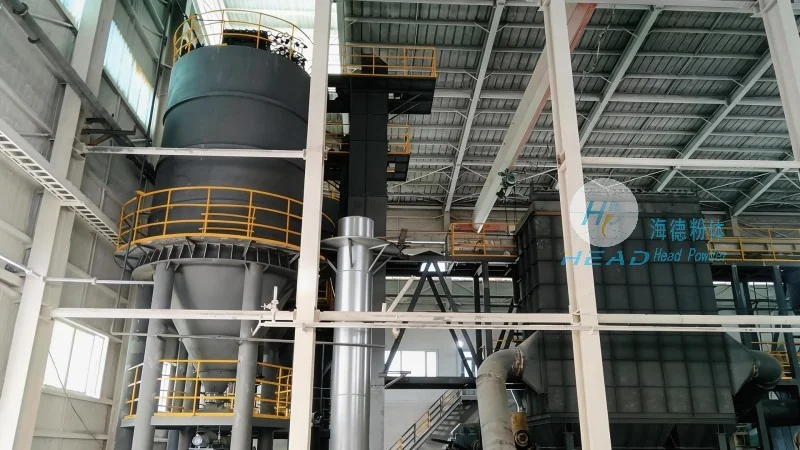
Automatic quantitative material handling equipment is widely used in various industries due to its ability to handle materials with high accuracy and efficiency. In the pharmaceutical industry, these systems are used to transport active pharmaceutical ingredients (APIs) and excipients with strict purity and dosage requirements. The precision of the equipment ensures that the correct amount of material is delivered to the next stage of production, such as mixing or packaging. In the food processing industry, the equipment is used to handle ingredients like flour, sugar, and spices, ensuring consistent quality and flavor in the final products. The gentle handling of the material by the conveying system prevents degradation, maintaining the product's integrity. In the chemical industry, the equipment is used to transport bulk chemicals, such as powders and granules, with high safety standards. The design of the system, including the use of explosion-proof components and proper ventilation, ensures that the material is handled safely, minimizing the risk of accidents. The benefits of using automatic quantitative material handling equipment include improved productivity, reduced labor costs, and enhanced product quality. The automation of the process eliminates the need for manual handling, which can be time-consuming and prone to errors. The consistent output of the equipment ensures that the downstream processes run smoothly, reducing downtime and waste. Additionally, the precise control of material flow helps in maintaining the quality of the final product, as any variations in the input can be corrected by the control system. The equipment also contributes to cost savings by reducing material waste and improving the overall efficiency of the production line. Overall, automatic quantitative material handling equipment is a vital component in modern industrial operations, enabling efficient and reliable material transfer with high accuracy.
Conclusion and Company Information
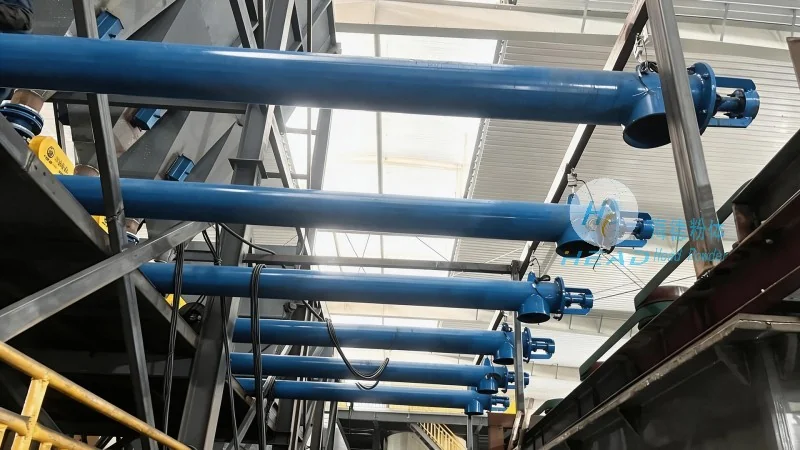
Automatic quantitative material handling equipment is a sophisticated system designed to handle materials with precision and efficiency. The design principles, including accurate feeding mechanisms, reliable conveying systems, and advanced control technologies, ensure that the equipment meets the demanding requirements of various industries. The applications of these systems span multiple sectors, from pharmaceuticals to food processing, where consistent and high-quality material transfer is essential. The benefits of using such equipment include improved productivity, reduced costs, and enhanced product quality. As technology advances, these systems continue to evolve, incorporating more advanced features like real-time monitoring and predictive maintenance to further optimize performance. For businesses seeking reliable and efficient material handling solutions, companies like Shandong HeadPowder Engineering Co., Ltd. (headpowder) offer specialized equipment tailored to specific industry needs. With a focus on precision and durability, headpowder provides high-quality automatic quantitative material handling equipment that meets the stringent requirements of modern industrial processes. Located in Shandong, China, headpowder leverages its expertise in engineering and manufacturing to deliver innovative solutions for material handling challenges. By understanding the design principles and applications of these systems, industries can enhance their operational efficiency and product quality, driving success in a competitive market.