

What is a Lightweight Cement Material Handling System? And What Are Its Design Principles?
Lightweight cement material handling systems represent a specialized approach to transporting and managing lightweight cementitious materials, such as aerated concrete, lightweight aggregate concrete, or other low-density cement products. These systems are engineered to optimize the efficiency, safety, and cost-effectiveness of material movement in construction and industrial settings. Understanding the fundamental principles behind their design is crucial for selecting the right system for specific applications.
Introduction to Lightweight Cement Material Handling Systems
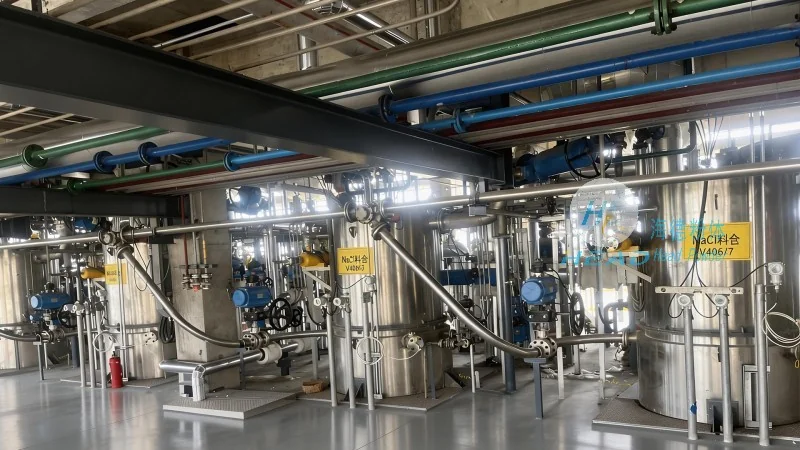
At the heart of modern construction and industrial processes lies the need for reliable and efficient material handling solutions. Lightweight cement material handling systems are specifically designed to address the unique challenges posed by low-density cementitious materials. Unlike traditional systems that may be optimized for heavy aggregates or dense concrete, these systems incorporate specialized components and design strategies to ensure smooth and safe operation. The primary goal is to minimize material degradation, reduce energy consumption, and enhance overall operational productivity.
Understanding the Core Components of These Systems
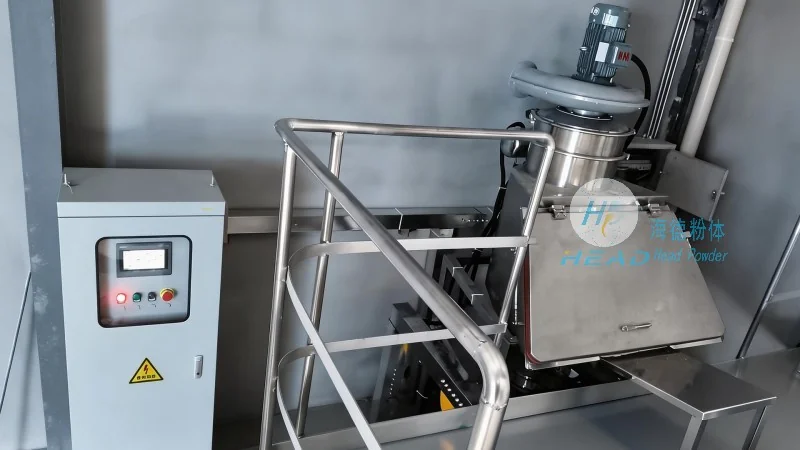
The effectiveness of a lightweight cement material handling system is largely determined by its core components. Key elements typically include specialized conveyors, such as belt conveyors or screw conveyors, which are engineered to handle low-density materials without excessive wear or material breakage. Additionally, the system may incorporate feeding mechanisms, such as hoppers or feeders, that control the flow of material into the conveyor. Dampening or conditioning systems may also be integrated to maintain material moisture levels, which is critical for preventing dust generation and ensuring consistent material properties. Finally, the system often includes control panels and monitoring systems to ensure real-time operation and maintenance.
Design Principles for Efficient and Effective Material Handling
The design of lightweight cement material handling systems follows several key principles to ensure optimal performance. One of the most critical principles is the minimization of material impact and abrasion. This is achieved through the use of smooth, non-abrasive surfaces on conveyor components and the incorporation of impact buffers or soft-start mechanisms. Another principle is the maintenance of consistent material flow, which is achieved through precise control of feed rates and the use of variable-speed drives. The system must also account for the material's low density, ensuring that the conveyor design accommodates the reduced load and prevents slippage or material segregation. Furthermore, the design must consider the need for dust control and environmental compliance, often incorporating sealed enclosures or dust collection systems.
The Role of Material Properties in System Design
The physical and chemical properties of the lightweight cement material play a significant role in system design. For instance, the material's moisture content directly impacts its handling characteristics, as excessive moisture can lead to caking or increased dust generation. The system must be designed to maintain optimal moisture levels, often through the integration of humidification or drying components. Similarly, the material's particle size distribution and density affect the conveyor's capacity and the need for specialized belt or screw designs. Understanding these properties allows engineers to tailor the system's components, such as the conveyor speed, belt tension, and hopper geometry, to achieve the best possible performance.
Practical Applications and Industry Benefits
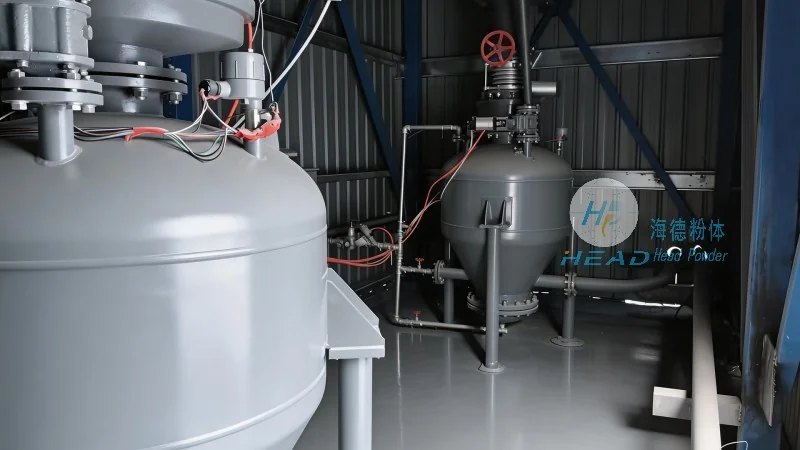
Lightweight cement material handling systems find wide applications across various industries, including construction, manufacturing, and waste management. In construction, these systems are used for transporting lightweight concrete mixes to formwork or casting stations, ensuring consistent material delivery and reducing labor costs. In manufacturing, they are employed in the production of aerated concrete blocks, where precise material handling is essential for maintaining product quality and uniformity. The benefits of these systems extend beyond efficiency, as they also contribute to improved safety by reducing manual handling of heavy or dusty materials. Additionally, the systems help minimize environmental impact by controlling dust emissions and optimizing material usage, leading to cost savings and regulatory compliance.
About Shandong HeadPowder Engineering Co., Ltd.
Shandong HeadPowder Engineering Co., Ltd. is a leading provider of specialized material handling solutions, including lightweight cement material handling systems. With a strong focus on innovation and customer-centric design, the company has established itself as a trusted partner in the construction and industrial sectors. HeadPowder's systems are engineered to meet the unique demands of lightweight cement materials, ensuring reliable performance and long-term durability. The company's commitment to quality and customer satisfaction has earned it a reputation for excellence in the industry. HeadPowder's headquarters are located in Shandong, China, where the company continues to develop and refine its products to meet the evolving needs of its clients.