Sodium bicarbonate, or baking soda, is a widely used chemical compound in industries such as food processing, pharmaceuticals, and chemical manufacturing. Its fine powder form and potential reactivity make it essential to handle with specialized equipment to ensure product quality, safety, and operational efficiency. This article explores the concept of a sodium bicarbonate material handling system and examines the core design principles that enable effective material transport and processing.
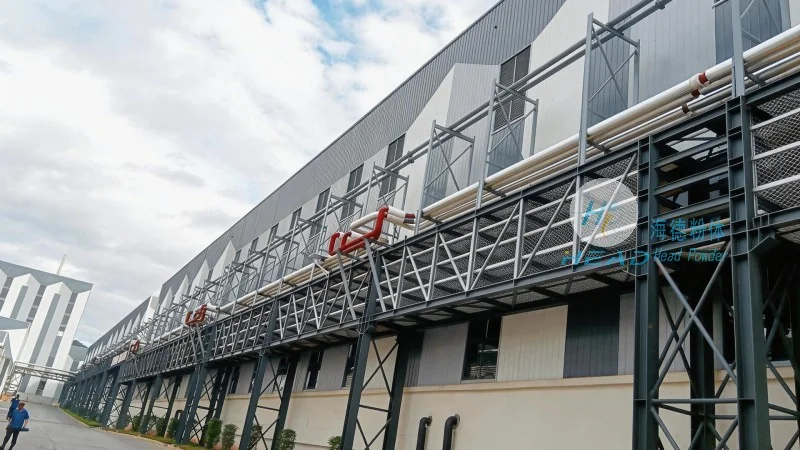
The Importance of Specialized Material Handling for Sodium Bicarbonate
Handling sodium bicarbonate requires careful consideration due to its physical properties, including its tendency to form dust, cake, or clump under certain conditions. A dedicated material handling system is vital to prevent these issues, ensuring consistent flow and preventing contamination. These systems are engineered to address the unique challenges of sodium bicarbonate, providing solutions that maintain product integrity and enhance overall process reliability. By investing in specialized equipment, companies can improve their production processes and meet industry standards effectively.
Key Components of a Sodium Bicarbonate Material Handling System
The foundation of any effective sodium bicarbonate material handling system consists of several critical components that work together to facilitate smooth material movement. These typically include storage silos or hoppers, which are designed to hold the material in a controlled environment, and conveying equipment such as screw conveyors or pneumatic systems, which transport the material from storage to processing areas. Additionally, control mechanisms, like flow meters and level sensors, regulate the material flow rate and distribution, ensuring precise delivery. Each component is selected based on the material's characteristics to minimize degradation and maintain quality throughout the handling process.
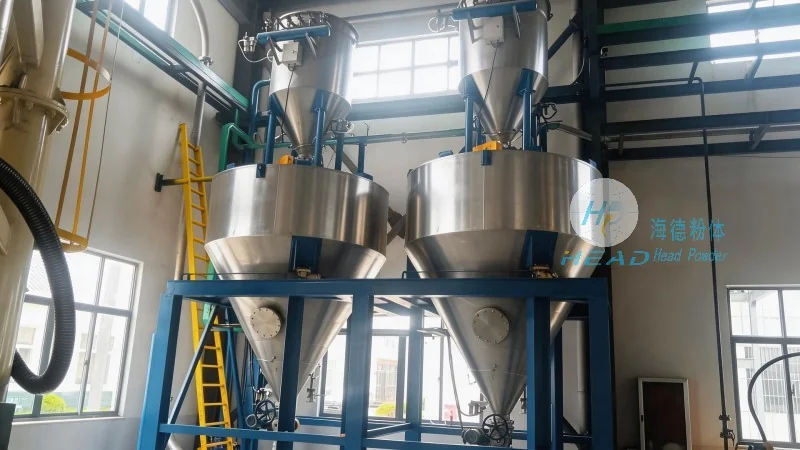
Design Principles for Optimal Performance
The design of a sodium bicarbonate material handling system follows several key principles aimed at maximizing efficiency, safety, and durability. One primary principle is the use of non-reactive materials for components that come into direct contact with the chemical. Stainless steel or food-grade plastics are commonly used to prevent corrosion or contamination, ensuring the material remains pure. Another critical principle is the prevention of dust generation and accumulation, which can lead to health hazards and equipment malfunctions. Enclosed conveying systems, dust collection units, and proper sealing mechanisms are integral to achieving this goal. Furthermore, the system is designed to minimize friction and wear, extending the lifespan of the equipment and reducing maintenance costs over time.
Control and Automation in Modern Systems
Contemporary sodium bicarbonate material handling systems often incorporate advanced control and automation technologies to enhance operational control and reduce human error. These systems may include programmable logic controllers (PLCs), sensors for level monitoring, and feedback mechanisms that adjust the flow rate based on real-time conditions. Automation not only improves efficiency but also ensures consistent product quality and reduces the risk of overfilling or underfilling, which can impact downstream processes. The integration of such technologies aligns with the industry's push for smarter, more sustainable operations, allowing companies to optimize their processes and minimize waste.
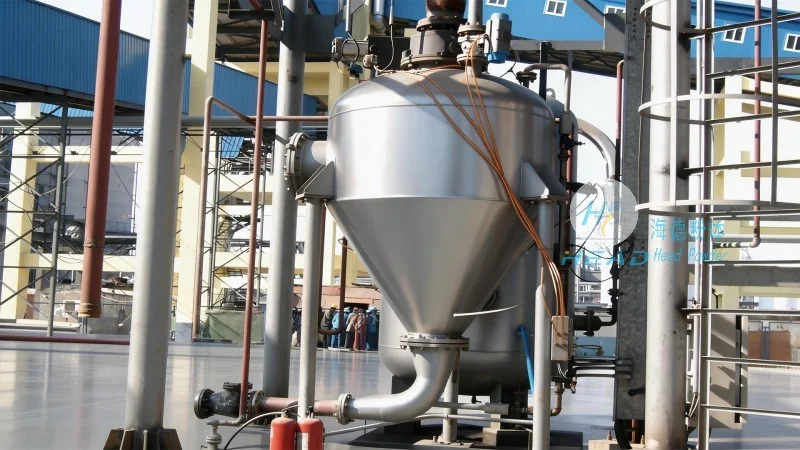
Applications and Industry Use Cases
Sodium bicarbonate material handling systems are employed across a wide range of industries where this chemical is a key ingredient. In the food industry, for example, these systems are used to handle baking soda for baking and food preservation, ensuring that the material is delivered to production lines in a controlled and hygienic manner. In the pharmaceutical sector, the systems help maintain the purity of sodium bicarbonate used in drug formulations, preventing contamination and ensuring compliance with regulatory standards. Additionally, in chemical manufacturing, these systems are crucial for processing sodium bicarbonate in the production of other chemical products, supporting efficient batch processing and material management. Each application requires tailored solutions to meet specific industry requirements, highlighting the versatility of these material handling systems.
Maintenance and Longevity of the System
Proper maintenance is essential to ensure the long-term performance and reliability of a sodium bicarbonate material handling system. Regular cleaning of components, particularly those in contact with the material, is necessary to prevent caking and blockages. Additionally, routine inspections of conveying mechanisms and control systems help identify potential issues before they escalate into major problems. By adhering to a structured maintenance schedule, companies can extend the lifespan of their equipment and minimize downtime, ultimately contributing to cost savings and operational stability. Proper maintenance also ensures that the system continues to operate efficiently, maintaining product quality and meeting production demands consistently.




