

Types and Practical Applications of Pneumatic Conveying Systems for Battery Material Handling
HeadPowder, a leading provider of material handling solutions, specializes in advanced pneumatic conveying systems tailored for the battery industry. These systems are crucial for efficiently transporting various battery materials, including powders, granules, and other raw components, ensuring precision and reliability in production processes. The following sections explore the different types of pneumatic conveying systems and their practical applications in battery material handling.
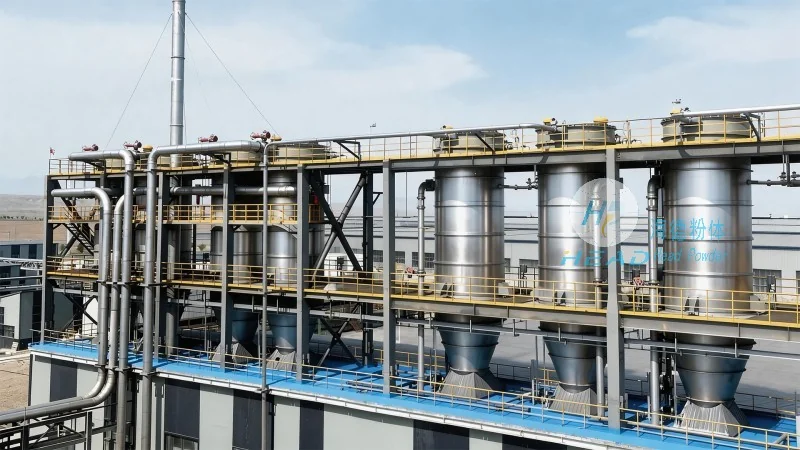
Types of Pneumatic Conveying Systems
There are several types of pneumatic conveying systems commonly used in battery material handling, each with distinct characteristics and applications. The primary categories include:
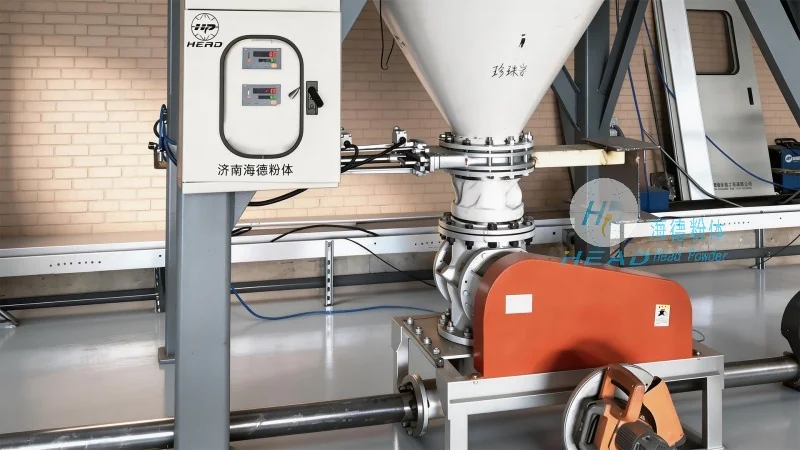
- Positive Pressure Systems: These systems use compressed air to push material through a pipeline. They are suitable for short to medium distances and are effective for handling abrasive or corrosive materials. Positive pressure systems are often used in battery manufacturing for transporting powders and granules from storage to processing units.
- Negative Pressure (Vacuum) Systems: In contrast, negative pressure systems use a vacuum to draw material into the pipeline. This method is ideal for applications requiring material to be collected from multiple points or for long-distance transport. Vacuum systems are commonly employed in battery material handling for dust collection and material recovery from production lines.
- Combined Systems: Some applications may utilize a combination of positive and negative pressure to optimize material transport. For instance, a positive pressure system can be used to move material from a storage silo to a processing area, while a vacuum system can be employed to collect and return excess material or dust back to the storage point. This integrated approach enhances efficiency and reduces material loss.
Practical Applications in Battery Material Handling
HeadPowder's pneumatic conveying systems are widely applied in various stages of battery production, from raw material handling to final product assembly. The practical applications include:
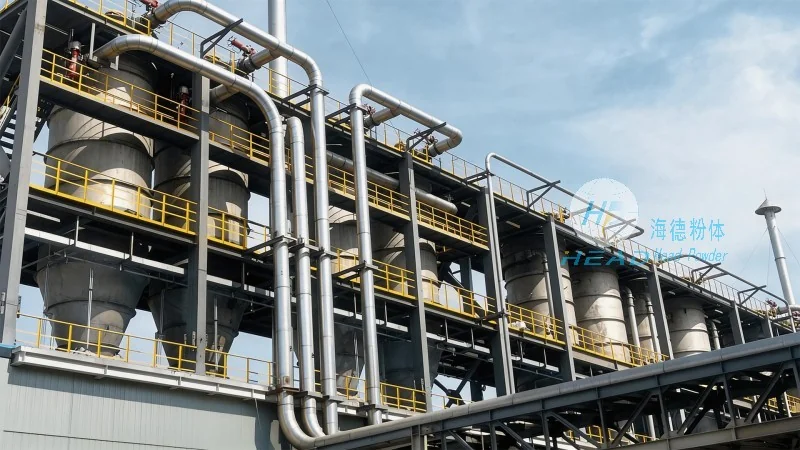
- Raw Material Transport: Efficiently conveying raw materials such as lithium compounds, cobalt, nickel, and other powders from bulk storage to mixing and blending equipment. This ensures consistent material quality and reduces downtime in the production line.
- Intermediate Product Handling: Transporting intermediate products like electrode slurries and pastes from mixing tanks to coating and drying units. Pneumatic conveying systems maintain the material's integrity and prevent contamination, which is critical for battery performance.
- Waste and Dust Management: Collecting and transporting process waste and dust generated during battery manufacturing. This not only improves workplace safety but also allows for material recovery and recycling, aligning with sustainable manufacturing practices.
- Final Product Packaging: Some systems are used to transport finished battery components or assembled battery packs to packaging and shipping areas. This ensures smooth integration with downstream logistics and reduces manual handling risks.
Advantages of Pneumatic Conveying Systems for Battery Manufacturers
Adopting pneumatic conveying systems in battery material handling offers several key advantages that contribute to operational efficiency and cost savings:
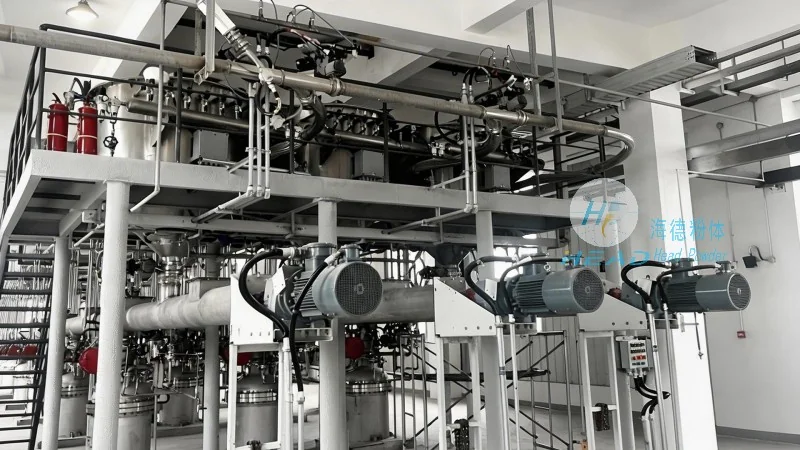
- Enhanced Safety: Pneumatic systems eliminate the need for manual handling of hazardous materials, reducing the risk of accidents and exposure to harmful substances. This is particularly important in battery manufacturing, where materials like lithium and cobalt can pose health risks.
- Improved Material Integrity: Unlike mechanical conveyors, pneumatic systems minimize material degradation and contamination. The enclosed pipeline design prevents exposure to air, moisture, and contaminants, ensuring the quality of battery materials remains consistent throughout the transport process.
- Space Efficiency: Pneumatic conveying systems can be installed in tight spaces and follow existing building layouts, making them suitable for retrofitting in existing battery manufacturing facilities. This reduces the need for extensive infrastructure modifications.
- Cost-Effective: By reducing material loss, minimizing downtime, and improving overall production efficiency, pneumatic conveying systems provide a high return on investment for battery manufacturers. The initial setup costs are often offset by long-term operational savings.
Conclusion
HeadPowder Engineering Co., Ltd., based in Shandong, China, is a trusted partner in providing advanced pneumatic conveying solutions for the battery industry. Our systems are designed to meet the specific needs of battery material handling, offering reliable, efficient, and safe transport solutions. By leveraging the right type of pneumatic conveying system, battery manufacturers can enhance production efficiency, maintain material quality, and comply with industry standards. HeadPowder's expertise in material handling technology ensures that our solutions are tailored to meet the evolving demands of the battery sector, supporting sustainable and high-performance manufacturing processes.