

Operation Process and Working Principle of Desulfurization Ash Powder Conveyors
Desulfurization ash, also known as flue gas desulfurization (FGD) ash, is a byproduct generated during the process of removing sulfur dioxide from flue gases in thermal power plants and other industrial facilities. The efficient handling and transportation of this fine powder are crucial for maintaining the operational efficiency of power plants and ensuring environmental compliance. This article provides a detailed overview of the operation process and working principle of desulfurization ash powder conveyors, highlighting the key components, operational mechanisms, and the importance of such equipment in industrial applications, with a focus on the products developed by Shandong HeadPowder Engineering Co., Ltd., a leading manufacturer based in Shandong, China.
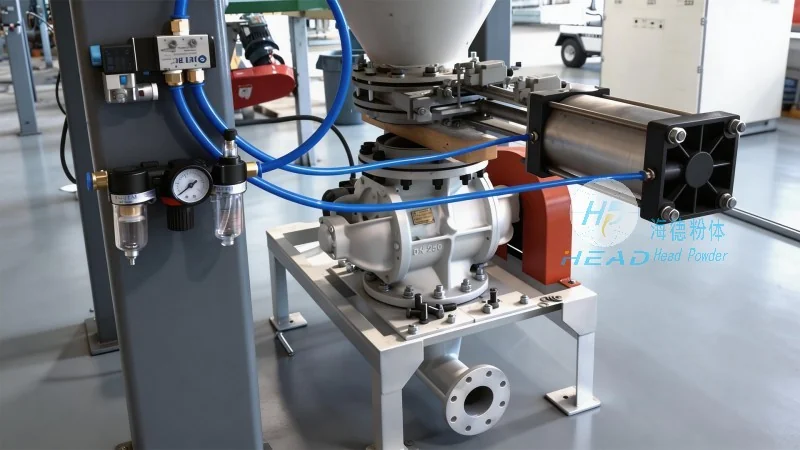
Introduction to Desulfurization Ash Powder Conveyors
Desulfurization ash powder conveyors are specialized equipment designed to transport fine, dry powders such as desulfurization ash from one location to another within industrial facilities. These conveyors are essential for the safe and efficient movement of ash from the desulfurization system to storage or disposal areas. The design of these conveyors is tailored to handle the unique characteristics of desulfurization ash, including its fine particle size, potential moisture content, and abrasive properties. By understanding the operation process and working principle of these conveyors, operators can optimize their performance, minimize downtime, and ensure compliance with environmental regulations.
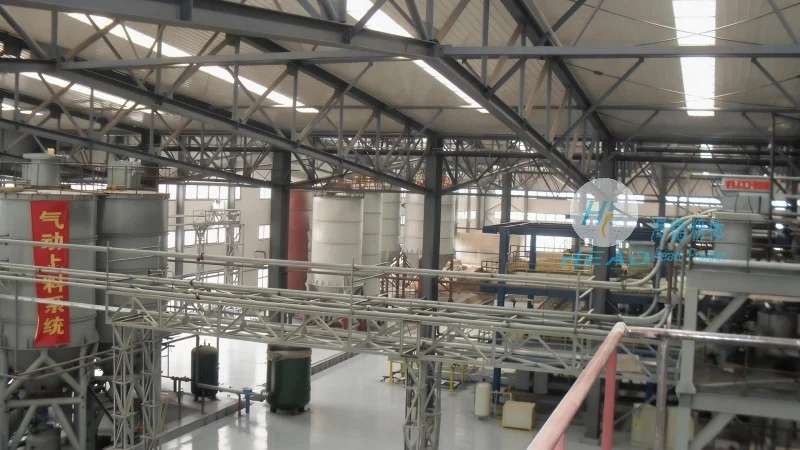
Key Components of Desulfurization Ash Powder Conveyors
The desulfurization ash powder conveyor typically consists of several critical components that work in tandem to facilitate the transport of ash. The main components include the hopper, feeding mechanism, conveyor belt or screw, drive system, and control panel. The hopper is used to collect the ash from the desulfurization system and feed it into the conveyor. The feeding mechanism, often a rotary valve or a screw feeder, regulates the flow of ash into the conveyor. The conveyor itself, which can be a belt conveyor or a screw conveyor, transports the ash along the desired path. The drive system provides the necessary power to move the conveyor, while the control panel allows operators to monitor and adjust the operation parameters. Each component plays a vital role in ensuring the smooth and efficient operation of the conveyor system.
Working Principle of Desulfurization Ash Powder Conveyors
The working principle of desulfurization ash powder conveyors is based on the principles of mechanical transport. The process begins with the ash being deposited into the hopper. The feeding mechanism then controls the flow of ash into the conveyor. In a belt conveyor system, the ash is spread evenly across the moving belt by the feeding mechanism. The belt, driven by the motor, moves the ash forward along the conveyor path. The speed of the belt and the angle of the conveyor can be adjusted to control the flow rate and the distance the ash is transported. In a screw conveyor system, the ash is pushed forward by a rotating screw, which is also driven by a motor. The screw's rotation creates a positive displacement that moves the ash along the screw's length. The design of the screw, including its pitch and diameter, is optimized to handle the specific characteristics of desulfurization ash, ensuring minimal blockages and efficient transport.
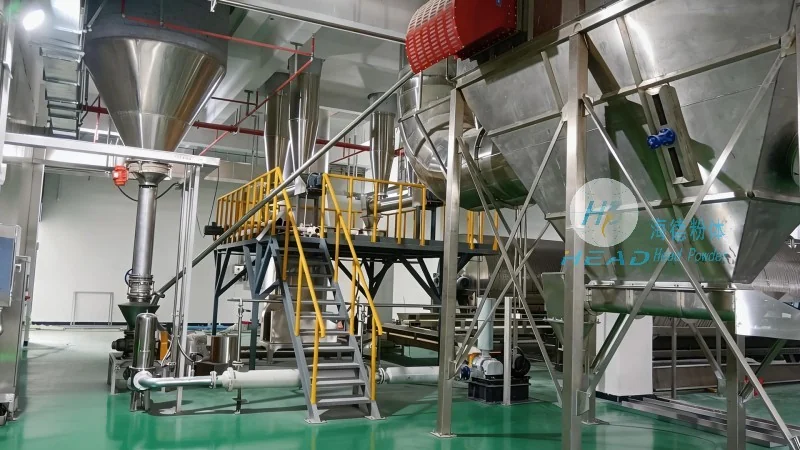
Operation Process of Desulfurization Ash Powder Conveyors
The operation process of desulfurization ash powder conveyors involves several steps that ensure the safe and efficient transport of ash. The process starts with the ash being collected in the hopper from the desulfurization system. The feeding mechanism then regulates the flow of ash into the conveyor, preventing overloading and ensuring a consistent feed rate. The conveyor then transports the ash along the designated path, either horizontally or at an incline, depending on the layout of the facility. The speed of the conveyor is controlled to match the feed rate, maintaining a steady flow of ash. The ash is then discharged at the end of the conveyor into a storage silo or a disposal area. Throughout the operation, the control panel monitors key parameters such as the conveyor speed, feed rate, and any potential blockages. Operators can adjust the settings as needed to maintain optimal performance. Regular maintenance, including cleaning the conveyor and checking the drive system, is also essential to prevent downtime and ensure long-term reliability.