

Operation Process and Working Principle of Tailings Slag Powder Conveying Machine
Efficient and reliable tailings slag powder conveying machines are essential for the modern mining and processing industries, particularly in managing the transportation of fine particulate materials from tailings processing facilities. These specialized equipment play a crucial role in optimizing material handling operations, ensuring safe and efficient movement of tailings slag powder from processing plants to disposal or reclamation sites. The performance of such machines directly impacts operational efficiency, cost-effectiveness, and environmental compliance in mining operations.
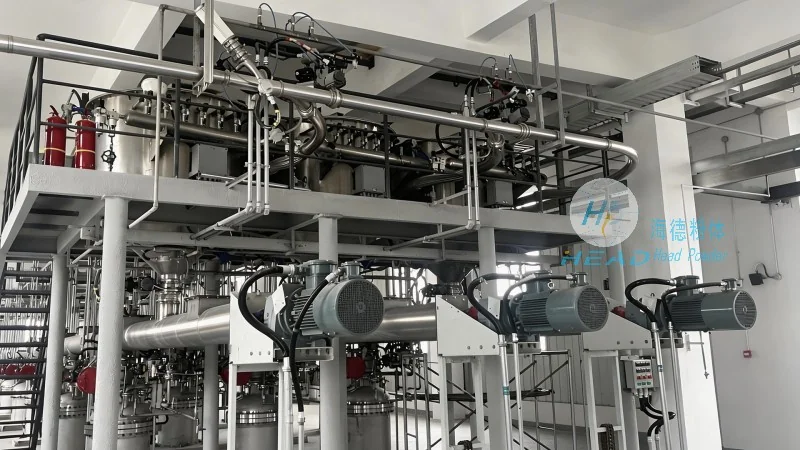
Overview of Tailings Slag Powder Conveying Machines
Tailings slag powder conveying machines, also known as tailings transport systems, are engineered to handle the transportation of fine, dry, or semi-dry tailings materials. These machines are designed to address the unique challenges associated with transporting tailings slag, including high dust content, abrasive properties, and the need for low maintenance and high durability. The equipment is typically used in mining operations where the efficient removal of tailings is critical for maintaining production rates and ensuring environmental safety.
Key Components and Structure of the Conveying System
The tailings slag powder conveying machine consists of several key components that work in tandem to ensure smooth and continuous operation. The main components include a hopper for material feeding, a conveyor belt or screw mechanism for material transport, a drive system to provide the necessary power, and a control panel for monitoring and adjusting the operation. The hopper is designed to accommodate large volumes of tailings slag, with features such as a sloped bottom to facilitate material flow and reduce blockages. The conveyor mechanism, whether a belt conveyor or a screw conveyor, is engineered to handle the abrasive nature of tailings slag, with reinforced materials and protective coatings to extend the equipment's lifespan. The drive system typically includes electric motors and gearboxes, providing the required torque and speed for efficient material movement. The control panel allows operators to monitor the system's performance, adjust conveyor speed, and detect any abnormalities, ensuring safe and reliable operation.
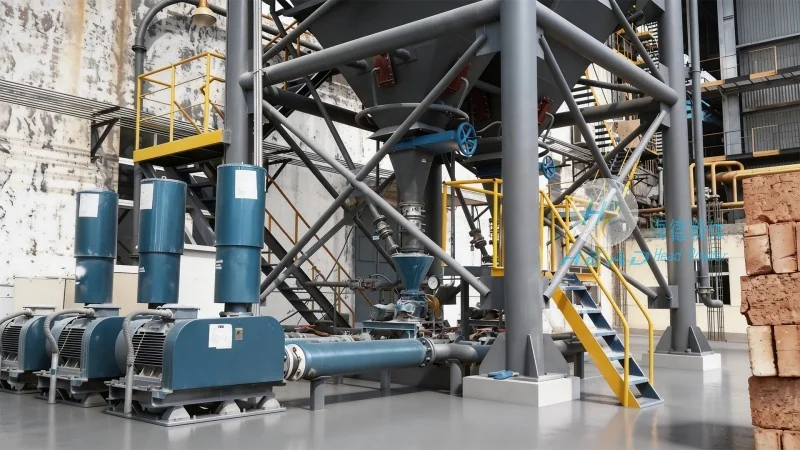
Operation Process of the Tailings Slag Powder Conveying Machine
The operation of a tailings slag powder conveying machine involves several sequential steps to ensure the efficient transport of material. The process begins with the feeding of tailings slag into the hopper. The material is then discharged from the hopper into the conveyor mechanism, where it is transported along the conveyor path. The conveyor system moves the material from the feeding point to the discharge point, which may be a storage silo, a disposal site, or a reclamation area. The speed of the conveyor is controlled by the drive system, allowing for adjustments based on the volume of material being transported. The control panel monitors the system's performance, including conveyor speed, material flow rate, and any signs of blockage or overload. If any issues are detected, the control panel triggers alarms or automatically stops the conveyor to prevent damage to the equipment or material. The entire operation is designed to be continuous and automated, minimizing the need for manual intervention and ensuring consistent material flow.
Working Principle of the Conveying Mechanism
The working principle of the tailings slag powder conveying machine is based on the mechanical movement of the conveyor system to transport material. The conveyor mechanism, whether a belt conveyor or a screw conveyor, uses a continuous loop of material to move the tailings slag from the feeding point to the discharge point. In a belt conveyor system, the tailings slag is placed on the moving belt, which transports the material along the conveyor path. The belt is driven by the drive system, which provides the necessary tension and speed to move the material. The screw conveyor system, on the other hand, uses a rotating screw to push the material forward along the conveyor tube. The screw's rotation creates a positive displacement, ensuring that the material is moved efficiently and continuously. Both systems are designed to handle the abrasive and dusty nature of tailings slag, with features such as reinforced belts, protective coatings, and self-cleaning mechanisms to prevent material buildup and ensure smooth operation.
Technical Advantages and Features
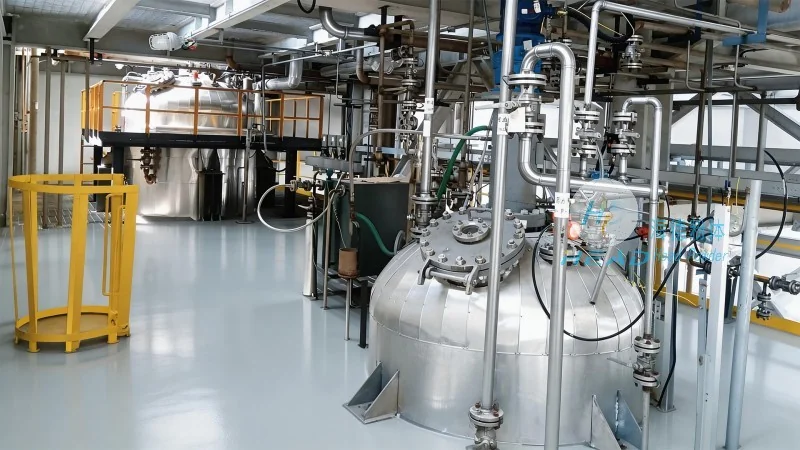
Shandong HeadPowder Engineering Co., Ltd. specializes in the design and manufacturing of high-quality tailings slag powder conveying machines, offering several technical advantages and features that enhance performance and reliability. The company's equipment is engineered to handle the unique challenges of tailings slag transportation, including high dust content, abrasive properties, and the need for low maintenance. The machines are constructed using high-strength materials, such as stainless steel and reinforced polymers, to resist corrosion and wear from the abrasive tailings slag. The conveyor systems are designed with low friction and high efficiency, reducing energy consumption and operational costs. The control systems are equipped with advanced sensors and monitoring capabilities, allowing for real-time monitoring of the system's performance and early detection of potential issues. The equipment is also designed for easy maintenance and repair, with accessible components and modular design, reducing downtime and maintenance costs. Additionally, the machines are compliant with environmental regulations, ensuring safe and environmentally friendly operation.
Application and Industry Impact
Tailings slag powder conveying machines are widely used in the mining industry, particularly in operations involving the processing of ore and the disposal of tailings. The equipment is essential for maintaining production rates and ensuring the safe and efficient removal of tailings from processing plants. The machines are used in various mining applications, including copper, gold, and iron ore mining, where the transportation of tailings slag is critical for maintaining operational efficiency. The use of these machines has significantly improved the efficiency of tailings management, reducing the time and cost associated with material handling. Additionally, the equipment has contributed to improved environmental compliance, as it allows for the safe and controlled disposal of tailings, reducing the risk of environmental contamination. The technology has also enabled mining operations to recover valuable materials from tailings, improving the overall sustainability of mining operations.