

What is an Alumina Material Handling System? What Are Its Design Principles?
Alumina, a key material in various industrial applications, requires efficient and reliable handling systems to ensure smooth production processes. This article explores the concept of an alumina material handling system and delves into its core design principles, highlighting the technical aspects and operational considerations that contribute to its effectiveness.
Understanding the Alumina Material Handling System
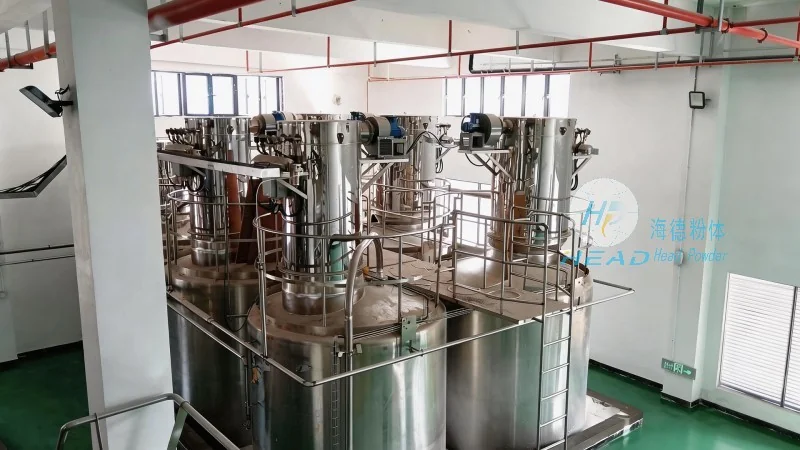
An alumina material handling system is a specialized setup designed to transport, store, and manage alumina powder or granules within industrial facilities. These systems are crucial in sectors such as ceramics, refractories, and chemical manufacturing, where consistent material flow is essential for maintaining production efficiency and product quality. The system typically includes components like hoppers, conveyors, feeders, and storage silos, all working in tandem to ensure seamless material movement from raw material reception to processing stages.
Key Components of the Alumina Handling System
The effectiveness of an alumina material handling system relies on its integrated components, each serving a specific function to optimize material flow and minimize downtime. The primary components include:
1. Hoppers and Storage Silos: These structures are used for receiving and storing alumina raw materials. They are designed to handle bulk quantities and maintain material quality by preventing contamination and moisture absorption. The design of hoppers often incorporates features like conical or rectangular shapes with smooth inner surfaces to facilitate material discharge and reduce blockages.
2. Conveyors and Feeders: Conveyors, such as belt conveyors or screw conveyors, are employed to transport alumina from storage silos to processing equipment. Feeders, including rotary or vibratory types, regulate the flow rate of alumina to match the requirements of downstream processes. The selection of conveyor type depends on factors like material characteristics, throughput capacity, and space constraints.
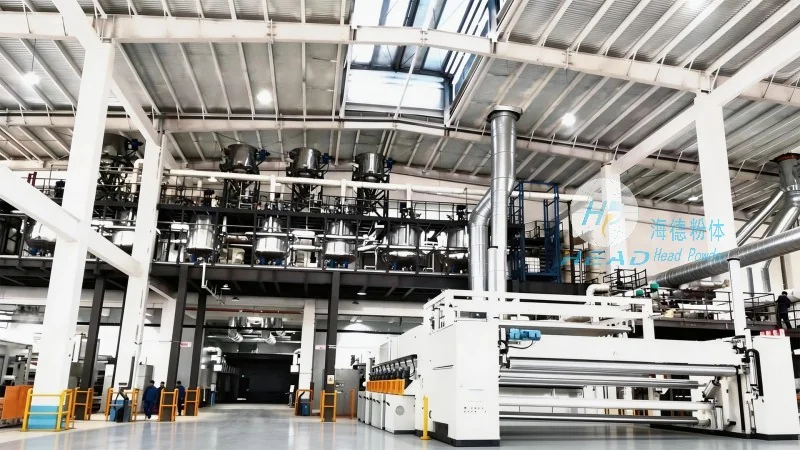
3. Valves and Control Systems: Valves are essential for controlling the release of alumina from hoppers and silos. They ensure precise material discharge while preventing backflow and maintaining system pressure. Modern control systems, often integrated with sensors and automation, enable real-time monitoring and adjustment of the material handling process, enhancing operational efficiency and safety.
Design Principles for Optimal Performance
The design of an alumina material handling system follows several key principles to ensure reliability, efficiency, and safety. These principles are tailored to the unique properties of alumina, which can be abrasive and prone to dust generation. The primary design considerations include:
1. Abrasion Resistance: Given alumina's hardness, system components must be constructed from durable materials like stainless steel, high-chrome alloys, or special wear-resistant coatings. This prevents premature wear and extends the lifespan of the equipment, reducing maintenance costs and downtime.
2. Dust Control: Alumina is a fine powder that can generate significant dust during handling. Effective dust control measures, such as enclosed systems, dust collection hoods, and filtration units, are critical to maintaining a safe working environment and complying with environmental regulations. Proper ventilation and sealing of equipment are also essential to prevent dust accumulation and potential explosions.
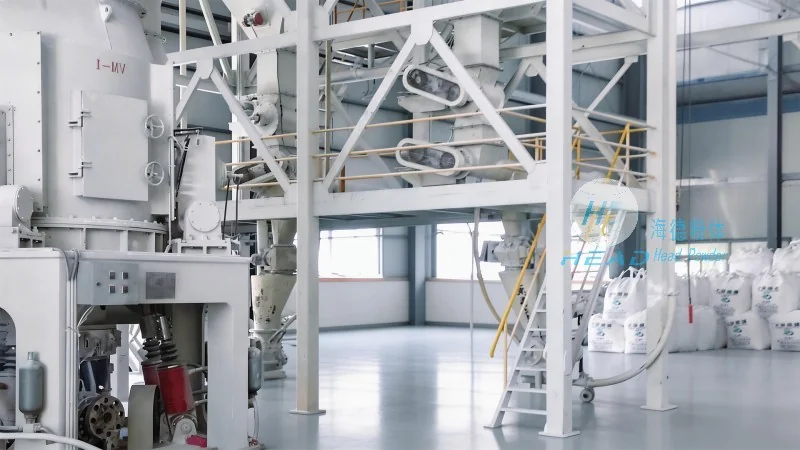
3. Material Flow Optimization: The design aims to minimize material buildup and ensure smooth flow through the system. This involves proper hopper geometry, appropriate conveyor incline angles, and effective feeding mechanisms. By optimizing material flow, the system reduces the risk of blockages, ensures consistent throughput, and enhances overall productivity.
4. Integration with Processing Equipment: The alumina handling system must be seamlessly integrated with downstream processing equipment, such as mixers, kilns, or reactors. This integration ensures that material is delivered at the correct rate and in the right condition, aligning with the specific requirements of each processing stage. Proper synchronization between the handling system and processing equipment is vital for maintaining production continuity and product quality.
Operational Considerations and Maintenance
For the alumina material handling system to operate efficiently over the long term, regular maintenance and operational considerations are essential. These include:
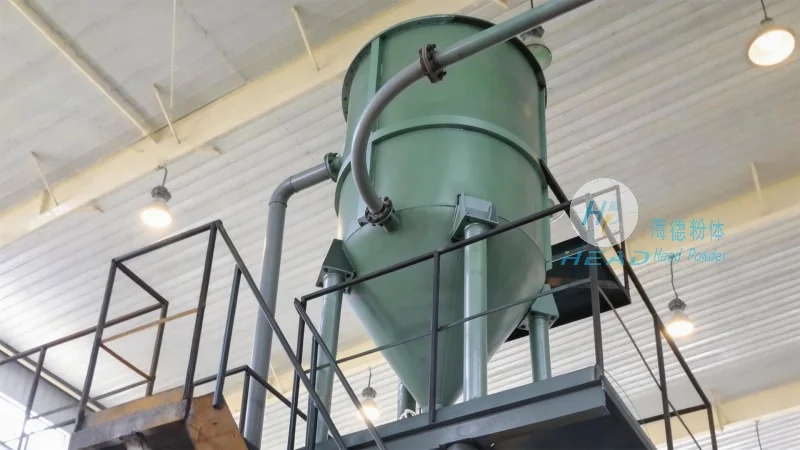
1. Regular Inspection and Cleaning: Components like hoppers, conveyors, and valves should be inspected regularly for signs of wear, corrosion, or blockage. Cleaning procedures, such as air blasting or mechanical removal of buildup, are necessary to maintain system performance and prevent material contamination.
2. Preventive Maintenance Schedules: Implementing a preventive maintenance schedule helps identify and address potential issues before they lead to system failures. This includes lubrication of moving parts, replacement of worn components, and calibration of control systems. Regular maintenance reduces the risk of unexpected downtime and extends the service life of the equipment.
3. Training and Safety Protocols: Operators and maintenance personnel must be trained on the proper operation and maintenance of the alumina handling system. Safety protocols, including the use of personal protective equipment (PPE) and emergency shutdown procedures, are critical to prevent accidents and ensure a safe working environment. Compliance with occupational health and safety regulations is also essential.
Conclusion
An alumina material handling system is a critical component in industrial facilities that rely on alumina for their operations. By understanding its design principles and key components, manufacturers can optimize material flow, enhance productivity, and ensure safety. The system's effectiveness depends on careful consideration of material properties, operational requirements, and maintenance practices. As a leading provider in the field, Shandong HeadPowder Engineering Co., Ltd. specializes in designing and manufacturing customized alumina handling systems tailored to the specific needs of clients, ensuring reliable and efficient material management in various industrial applications.