

What is an Alumina Powder Pneumatic Conveying Machine? What Are Its Design Principles?
Alumina powder, a critical material in various industrial applications, requires efficient and reliable handling solutions. The alumina powder pneumatic conveying machine is a specialized equipment designed to transport alumina powder through a pneumatic system. This article explores the fundamental concepts of this equipment and its underlying design principles, providing insights into how it operates and its key components. HeadPowder, a leading manufacturer in the field, specializes in designing and manufacturing such systems tailored to the unique properties of alumina powder.
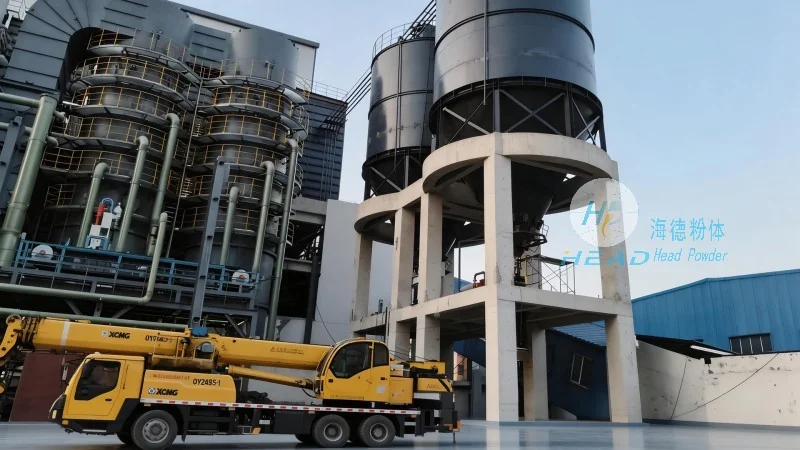
Understanding the Alumina Powder Pneumatic Conveying Machine
The alumina powder pneumatic conveying machine is a system that utilizes air or other gases to transport dry powders, in this case, alumina powder, from one location to another. Unlike traditional mechanical conveying methods, such as screw conveyors or belt conveyors, pneumatic conveying offers advantages like minimal product contamination, the ability to handle abrasive materials, and flexibility in system layout. HeadPowder, a leading manufacturer in the field, specializes in designing and manufacturing such systems tailored to the unique properties of alumina powder.
Key Design Principles of the Alumina Powder Pneumatic Conveying Machine
The design of an alumina powder pneumatic conveying machine is guided by several critical principles to ensure efficient and safe operation. First, the system must consider the physical and chemical properties of alumina powder, which includes its particle size distribution, density, and flowability. Alumina powder is often fine and abrasive, which means the equipment must be constructed from materials that can withstand wear and corrosion, such as stainless steel or specialized alloys. The design also focuses on maintaining a consistent air flow rate and pressure to ensure smooth material transport without clogging or degradation of the powder.
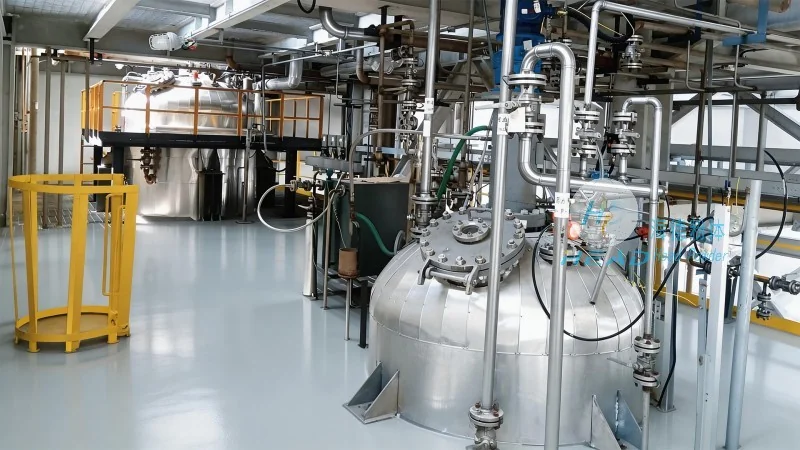
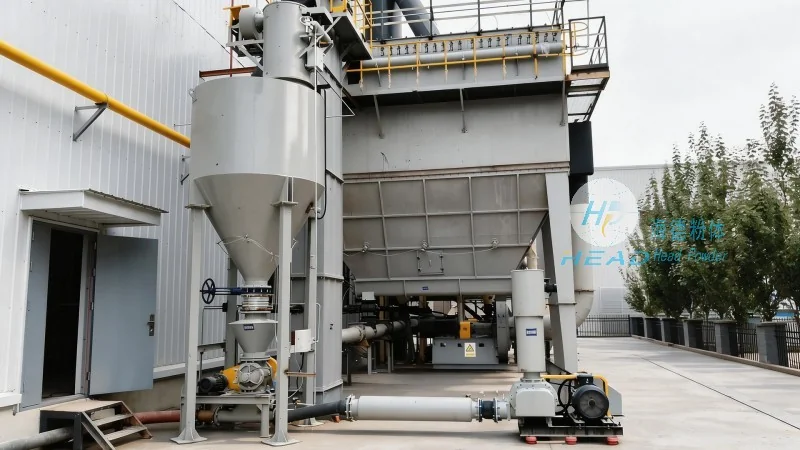
Second, the system incorporates a combination of components that work in tandem to achieve effective conveying. The primary components include a feeding hopper, a pneumatic conveyor line (often consisting of straight and curved pipes), a blower or compressor to generate the air flow, and a separation and collection system. The feeding hopper is designed to control the flow of alumina powder into the system, preventing overloading and ensuring a steady feed. The conveyor line is engineered to handle the specific particle size and flow characteristics of alumina powder, with appropriate pipe diameters and smooth internal surfaces to minimize friction and blockages. The blower or compressor provides the necessary pressure and volume of air to move the powder through the system. Finally, the separation and collection system, such as cyclones or filters, separates the alumina powder from the air stream, allowing for safe and efficient recovery of the material.
Advantages of Using an Alumina Powder Pneumatic Conveying Machine
Implementing an alumina powder pneumatic conveying machine offers several benefits for industrial operations. One of the most significant advantages is the reduction of product contamination. Since the material is conveyed in an enclosed system, there is minimal exposure to external elements, ensuring the purity of the alumina powder. This is particularly important in applications where the powder is used in high-precision manufacturing or chemical processes. Additionally, pneumatic conveying systems are highly flexible, allowing for changes in the layout of the production facility without major modifications to the conveying equipment. This adaptability makes them suitable for both new installations and retrofitting existing plants.
Another key advantage is the ability to handle abrasive materials like alumina powder without significant wear on the equipment. The design of the conveyor line and components, such as the use of wear-resistant materials and smooth surfaces, extends the operational life of the system and reduces maintenance costs. Furthermore, the system can be integrated with other industrial processes, such as dust collection and material storage, creating a comprehensive and efficient material handling solution.
Applications and Industries
The alumina powder pneumatic conveying machine is widely used in various industries that rely on alumina powder as a raw material. These include the ceramics industry, where alumina is used to produce high-quality ceramic products; the refractory industry, which utilizes alumina in the manufacturing of refractory bricks and linings; and the chemical industry, where alumina is used in the production of catalysts and other chemical compounds. In each of these applications, the efficient and reliable transport of alumina powder is crucial for maintaining production efficiency and product quality.
Conclusion
In conclusion, the alumina powder pneumatic conveying machine is a sophisticated piece of equipment designed to handle the unique challenges of transporting alumina powder. Its design principles, which focus on material properties, system components, and operational efficiency, ensure that the equipment operates reliably and effectively. HeadPowder, with its expertise in the field, provides customized solutions that meet the specific needs of industrial clients, contributing to improved productivity and product quality in alumina powder handling applications. The system's advantages, including minimal contamination, flexibility, and durability, make it an essential component in modern industrial material handling processes.