

What is a Calcium Chloride Powder Pneumatic Conveying Machine? And What Are Its Design Principles?
Calcium chloride is a widely used chemical compound in various industries, including construction, de-icing, and food processing. When handling calcium chloride powder in industrial settings, efficient and reliable material transport is crucial. This is where a calcium chloride powder pneumatic conveying machine comes into play. This article will explore what such a machine is and delve into its design principles, highlighting the key components and operational mechanisms that enable effective powder handling.
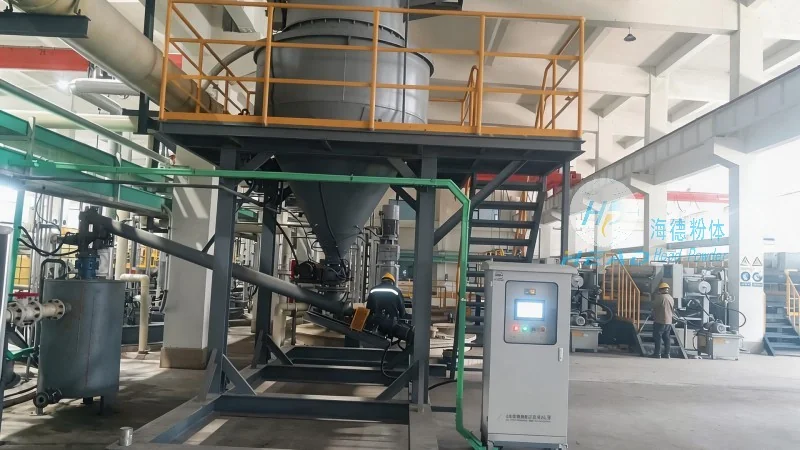
Understanding the Calcium Chloride Powder Pneumatic Conveying Machine
A calcium chloride powder pneumatic conveying machine is a specialized system designed to transport calcium chloride powder through a pipeline using compressed air or other gas. Unlike traditional mechanical conveyors, which rely on physical movement of components, pneumatic conveying utilizes the force of gas to move the material. This method is particularly advantageous for handling fine powders like calcium chloride, which can be prone to dusting and clogging in conventional systems.
Key Components of the Pneumatic Conveying System
The calcium chloride powder pneumatic conveying machine typically consists of several core components that work in tandem to ensure efficient material transport. These components include the material feeder, which introduces the powder into the system; the air compressor or blower, which generates the necessary airflow; the conveying pipeline, which transports the powder and air mixture; and the separation and collection system, which separates the powder from the air and collects it at the destination.
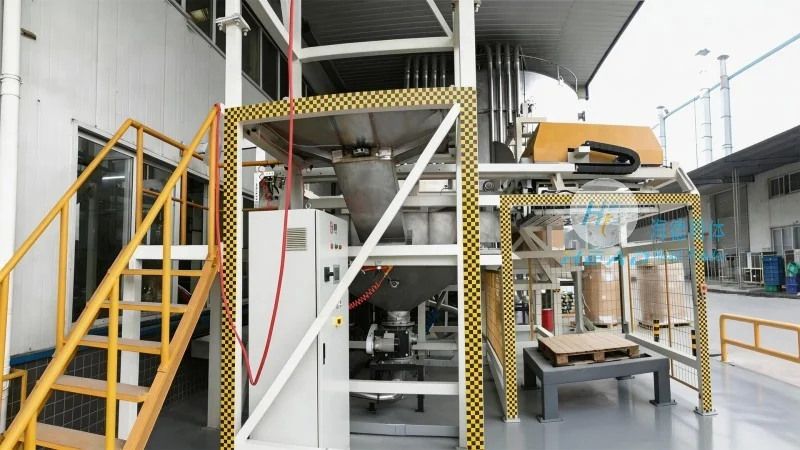
Design Principles for Efficient Powder Handling
The design of a calcium chloride powder pneumatic conveying machine is based on several fundamental principles to ensure optimal performance. One of the primary principles is maintaining a consistent and sufficient airflow to prevent material settling or blockages in the pipeline. The system must also account for the physical properties of calcium chloride powder, such as its hygroscopic nature and potential for agglomeration, which can affect flow characteristics. Engineers must carefully select the appropriate air velocity, pipeline diameter, and material feed rate to achieve stable and reliable conveying.
The Role of Material Feeder and Air Compressor
The material feeder is a critical component that controls the rate at which calcium chloride powder is introduced into the conveying system. It must be designed to handle the specific characteristics of the powder, such as its density and flowability. Common feeder types include rotary valves, screw feeders, or vibratory feeders, each with its own advantages depending on the application. The air compressor or blower provides the necessary pressure and volume of air to move the powder through the pipeline. The choice of compressor depends on factors like the required airflow rate, pressure, and the distance the powder needs to be conveyed.
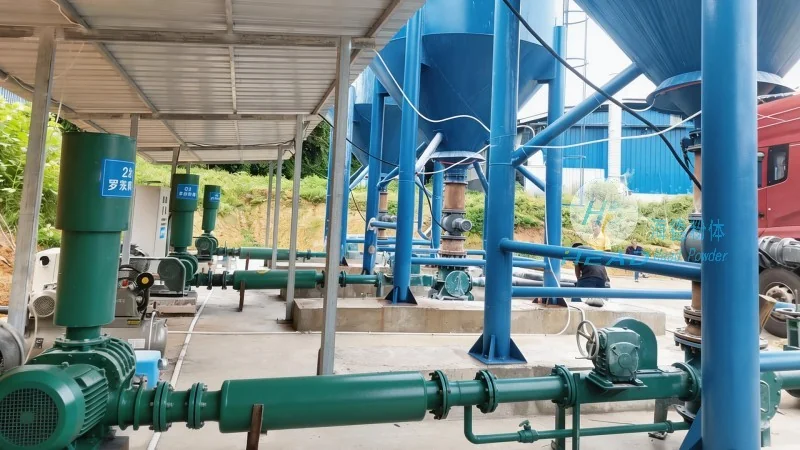
Conveying Pipeline and Separation System
The conveying pipeline is typically made of materials resistant to corrosion and wear, such as stainless steel or special plastics, to withstand the chemical properties of calcium chloride. The design of the pipeline, including bends and fittings, is crucial to maintain consistent airflow and prevent pressure losses. The separation system, often located at the end of the pipeline, uses techniques like cyclonic separation or filtration to separate the powder from the air. This system ensures that the calcium chloride powder is collected efficiently and that the air is cleaned before being discharged or recirculated.
Advantages of Pneumatic Conveying for Calcium Chloride
Using a pneumatic conveying machine for calcium chloride powder offers several advantages over traditional methods. It provides a closed system, reducing dust emissions and improving safety in the workplace. The system is also flexible, allowing for changes in conveying distance or destination without major modifications. Additionally, pneumatic conveying can handle powders with varying properties, making it suitable for different applications, from small-scale laboratory use to large-scale industrial production.
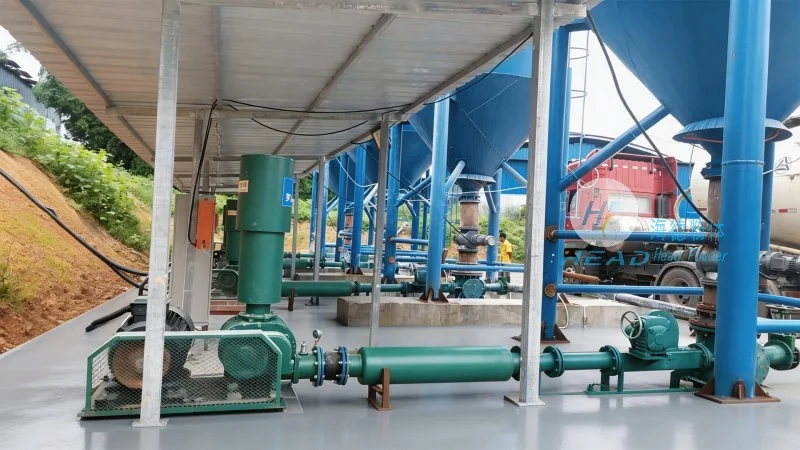
Applications in Industrial Settings
Calcium chloride powder pneumatic conveying machines are widely used in various industrial applications. In the construction industry, they are used to transport calcium chloride for de-icing roads and sidewalks. In the food industry, they are used to handle calcium chloride as a food additive, ensuring hygienic and efficient transport. Other applications include chemical processing, where calcium chloride is used as a drying agent or in the production of other chemicals. The versatility of the system makes it suitable for a wide range of industries that require reliable powder handling.
Conclusion
A calcium chloride powder pneumatic conveying machine is a sophisticated system designed to efficiently transport calcium chloride powder using pneumatic principles. By understanding the key components and design principles, industries can select and operate such systems to meet their material handling needs. The system offers advantages in terms of efficiency, safety, and flexibility, making it a valuable asset in various industrial applications. As the demand for calcium chloride continues to grow, the importance of reliable powder handling systems like this will only increase.