

Classification and Application Analysis of Lithium Manganese Oxide Pneumatic Conveying Systems
HeadPowder, a leading engineering firm based in Shandong, China, specializes in the design, manufacturing, and implementation of advanced pneumatic conveying systems tailored for the handling of lithium manganese oxide (LMO) materials. This article provides a comprehensive classification of these systems and an in-depth analysis of their practical applications, highlighting the technical advantages and operational efficiencies that such systems offer in the battery material processing industry.
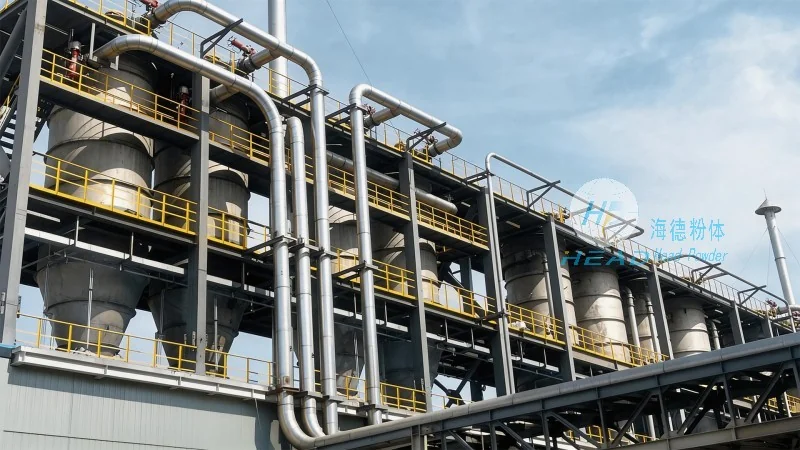
Introduction to Lithium Manganese Oxide Pneumatic Conveying Systems
Lithium manganese oxide (LMO) is a critical cathode material used in lithium-ion batteries, valued for its high energy density, thermal stability, and cost-effectiveness. The efficient and safe handling of LMO powders is essential for maintaining product quality and ensuring smooth production workflows. Pneumatic conveying systems have emerged as a preferred solution for transporting LMO powders due to their ability to handle fine powders without contamination, minimize dust exposure, and provide flexible and scalable material transport solutions. HeadPowder's expertise in pneumatic conveying technology enables the development of customized systems that meet the specific requirements of LMO material processing plants.
Classification of Pneumatic Conveying Systems for LMO Materials
Pneumatic conveying systems for LMO materials can be broadly classified into two main categories based on the air flow direction and the pressure used: dilute-phase and dense-phase systems. Each type has distinct characteristics and is suitable for different operational scenarios.
Dilute-Phase Pneumatic Conveying Systems
Dilute-phase systems operate at low to moderate air velocities, typically ranging from 20 to 30 m/s, and use low-pressure air (usually below 0.7 bar). These systems are ideal for short to medium-distance transport of LMO powders, where the material is suspended in the air stream as a fine mist. The primary advantages of dilute-phase systems include high material throughput, low system pressure, and relatively simple design. However, they may not be suitable for long-distance transport or for materials with high moisture content, as the air velocity required to keep the powder suspended can lead to increased energy consumption and potential material degradation.
Dense-Phase Pneumatic Conveying Systems
Dense-phase systems, also known as pressure or high-pressure systems, operate at higher air velocities (30 to 50 m/s) and use higher pressure air (up to 7 bar). In these systems, the LMO powder is conveyed in a dense, slurry-like state, with the powder forming a continuous plug within the air stream. This method is particularly effective for long-distance transport (up to several kilometers) and for handling materials that are prone to segregation or agglomeration. Dense-phase systems offer better control over material flow, reduced dust generation, and improved material integrity, making them suitable for high-value LMO powders that require precise handling to maintain their quality.
Horizontal vs. Vertical Conveying Systems
Within the pneumatic conveying classification, systems can also be categorized based on the direction of material transport. Horizontal systems are used for transporting LMO powders over short to medium horizontal distances, while vertical systems are employed for lifting the material vertically, often in multi-level processing facilities. Horizontal systems typically use a combination of positive and negative pressure zones to move the material, whereas vertical systems rely on the pressure differential created by the air flow to lift the powder. The choice between horizontal and vertical systems depends on the plant layout, the required transport distance, and the need to integrate the conveying system with existing processing equipment.
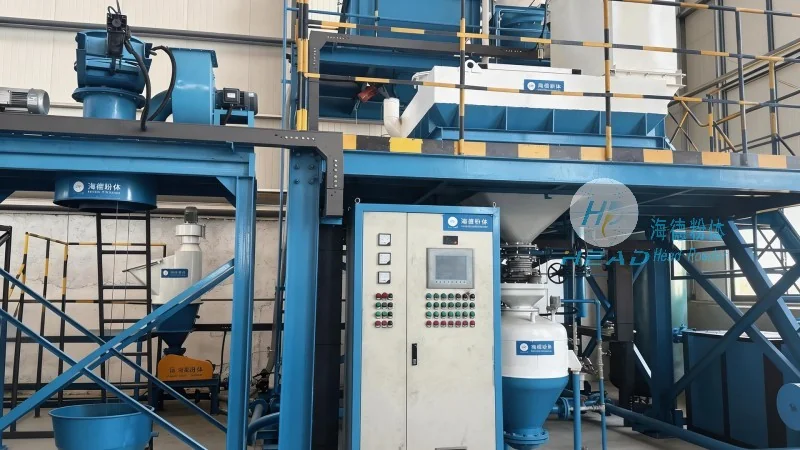
Key Applications of LMO Pneumatic Conveying Systems
HeadPowder's pneumatic conveying systems for LMO materials are applied in various stages of the battery material production process, ensuring efficient material transfer from raw material handling to final product packaging. The following are key applications where these systems demonstrate their effectiveness:
Raw Material Handling and Storage
At the initial stage of LMO production, raw materials such as manganese dioxide, lithium carbonate, and other additives are received and stored in bulk. Pneumatic conveying systems are used to transfer these raw materials from storage silos or trucks to the mixing and grinding units. This process ensures a continuous and dust-free supply of raw materials, reducing the risk of contamination and improving operational safety. The systems are designed to handle large volumes of powders, with high throughput capabilities that match the production capacity of modern battery material plants.
Mixing and Grinding Process Integration
After raw material reception, the LMO powders undergo mixing and grinding to achieve the desired particle size distribution and chemical composition. Pneumatic conveying systems are integrated with the mixing and grinding equipment to transport the materials between these units and to feed the final mixed powder into the next processing stage. The systems are equipped with specialized components, such as rotary valves and airlocks, to prevent material backflow and ensure a consistent flow rate. This integration minimizes downtime and enhances the overall efficiency of the mixing and grinding process.
Coating and Surface Treatment
For certain LMO applications, the powder may require coating or surface treatment to improve its performance characteristics, such as conductivity or thermal stability. Pneumatic conveying systems are used to transport the LMO powder to the coating equipment, where it is mixed with the coating agent and then conveyed to the drying and curing units. The systems ensure that the powder is uniformly coated and that the coating process is carried out under controlled conditions, avoiding material agglomeration or uneven coating. This step is critical for achieving the desired product specifications and enhancing the battery's performance.
Final Product Packaging and Distribution
Once the LMO powder has been processed and meets the quality standards, it is packaged for distribution to battery manufacturers. Pneumatic conveying systems are used to transfer the finished product from the storage silos to the packaging lines, where it is loaded into containers or bags. The systems are designed to handle the final product with minimal contamination and to maintain the product's integrity throughout the packaging process. This ensures that the LMO powder reaches the end-user in a consistent and high-quality state, meeting the stringent requirements of the battery industry.
Technical Advantages and Operational Efficiency
The pneumatic conveying systems developed by HeadPowder for LMO materials offer several technical advantages that contribute to improved operational efficiency and product quality. These advantages include:
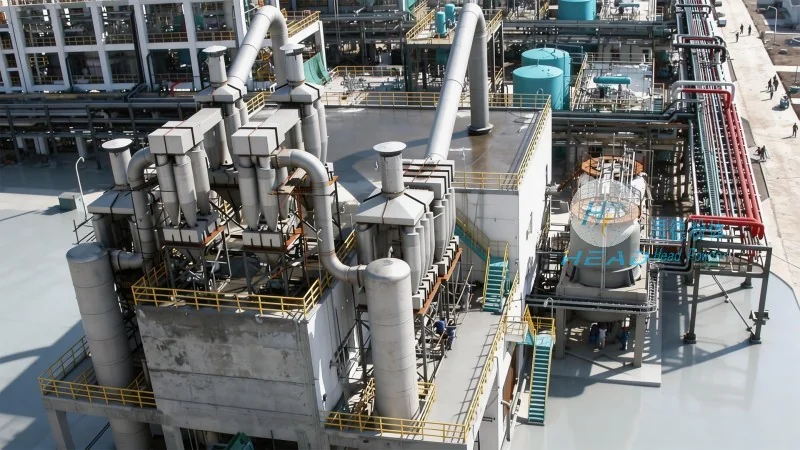
Minimal Material Contamination
Pneumatic conveying systems operate in a closed loop, with the material being transported within a sealed pipeline. This design prevents the LMO powder from coming into contact with external contaminants, such as moisture, dust, or other materials, which could affect its performance. The systems are equipped with high-quality seals and filters to maintain a clean air environment, ensuring that the final product remains pure and free from impurities.
Reduced Dust Exposure and Improved Safety
Compared to traditional bulk handling methods, such as bucket elevators or belt conveyors, pneumatic conveying systems significantly reduce dust generation and exposure. The enclosed pipeline design and the use of air filtration systems minimize the release of fine LMO particles into the workplace environment, improving occupational health and safety. This is particularly important in the battery material industry, where dust exposure can lead to respiratory issues and other health concerns.
Energy Efficiency and Cost Savings
HeadPowder's pneumatic conveying systems are designed to optimize energy consumption, resulting in lower operational costs for the end-user. The systems use advanced control technologies to adjust air pressure and flow rates based on the material being conveyed, ensuring that energy is used efficiently. Additionally, the reduced maintenance requirements and longer component lifespans of these systems contribute to overall cost savings over their operational life.
Scalability and Flexibility
Pneumatic conveying systems are highly scalable and can be easily adapted to meet the changing needs of LMO production facilities. Whether a plant is expanding its production capacity or integrating new processing equipment, the conveying system can be modified or upgraded to accommodate the new requirements. This flexibility allows battery manufacturers to invest in a system that can grow with their business, avoiding the need for costly system replacements in the future.
Conclusion
HeadPowder's pneumatic conveying systems for lithium manganese oxide materials represent a sophisticated and efficient solution for the handling of critical battery components. By classifying these systems based on operational principles and integrating them into various stages of the LMO production process, the company provides tailored solutions that enhance product quality, operational safety, and overall efficiency. As the demand for lithium-ion batteries continues to grow, the importance of reliable and effective material handling systems cannot be overstated. HeadPowder's expertise in pneumatic conveying technology ensures that battery manufacturers can rely on high-quality systems that meet the stringent requirements of the industry, supporting the development of sustainable and advanced battery technologies.