

What is a Cassava Powder Pneumatic Conveying Machine? What are its Design Principles?
When it comes to handling fine powders like cassava starch, the choice of equipment can significantly impact operational efficiency and product quality. A key solution in this domain is the cassava powder pneumatic conveying machine, a specialized system designed to transport dry bulk materials through a pressurized or vacuum environment. This article delves into the fundamental concepts of such machinery and explores the core design principles that underpin its functionality.
Understanding Pneumatic Conveying Technology
Pneumatic conveying, as the name suggests, relies on the movement of air or gas to transport solid particles. Unlike traditional mechanical conveyors, which use belts, screws, or buckets, pneumatic systems utilize fluid dynamics to move materials. For cassava powder, which is often fine and prone to caking or dusting, this method offers several advantages. The primary benefit is the ability to handle materials in a closed system, minimizing contamination and dust emissions. Additionally, pneumatic conveyors can transport materials over longer distances with fewer transfer points compared to mechanical alternatives.
The Core Components of a Cassava Powder Pneumatic Conveying Machine
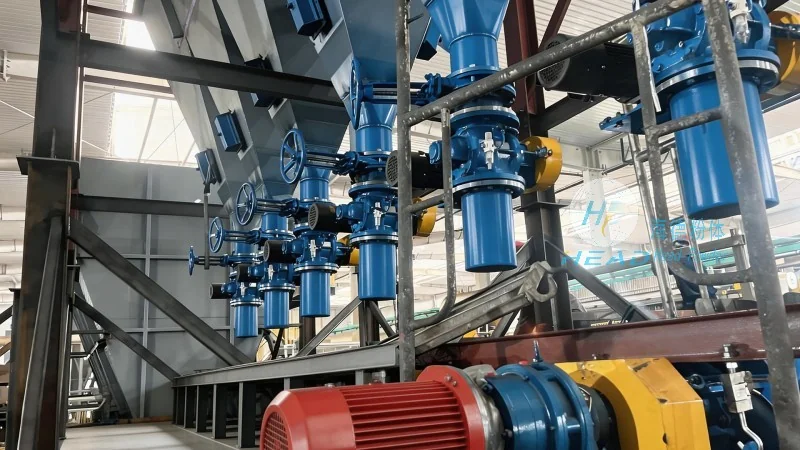
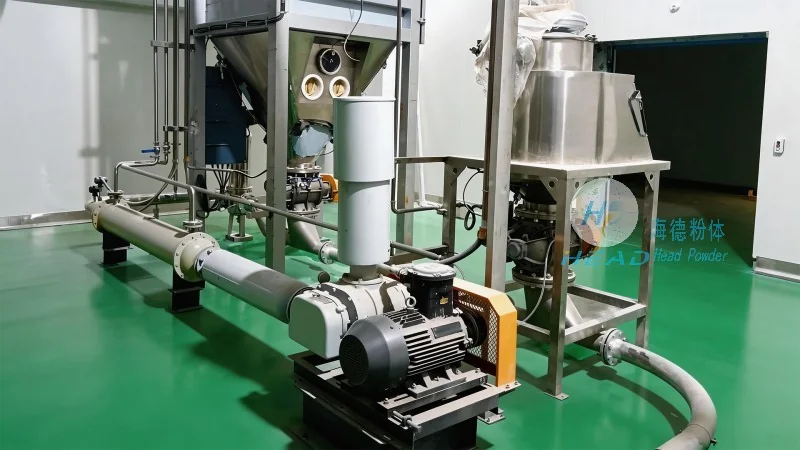
At its heart, a cassava powder pneumatic conveying machine consists of several critical components that work in concert to ensure reliable operation. These include the material hopper, which stores the cassava powder; the air compressor or vacuum pump, which generates the necessary pressure or suction; the conveying line, typically made of stainless steel or other corrosion-resistant materials to accommodate the acidic nature of cassava starch; and the control system, which regulates the flow rate and pressure. Each component is engineered to handle the unique properties of cassava powder, such as its fine particle size and potential for moisture absorption.
Design Principles for Efficient Cassava Powder Handling
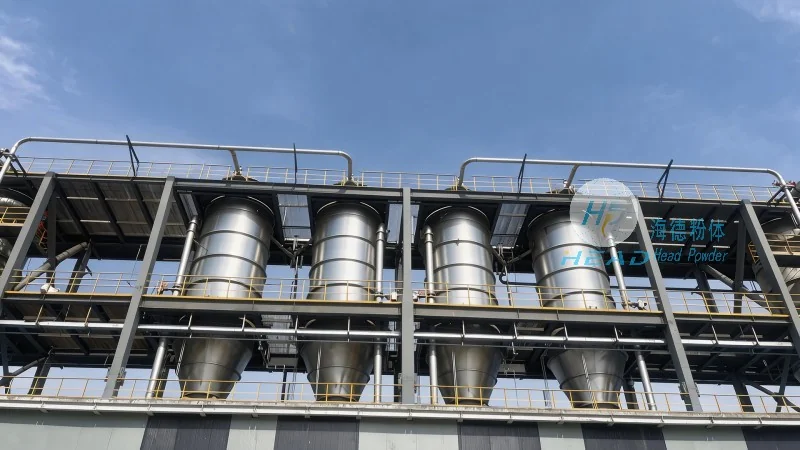
The design of a cassava powder pneumatic conveying machine is guided by several key principles aimed at optimizing performance and minimizing operational issues. One of the most critical principles is the selection of the appropriate conveying velocity. Excessive velocity can cause particle attrition or system wear, while insufficient velocity may lead to blockages or poor material transport. Engineers typically use the "critical velocity" concept, which is the minimum velocity required to keep particles suspended in the air stream without settling. For cassava powder, this velocity often falls within a specific range, determined by particle size, density, and air pressure.
Another essential design principle is the system's pressure or vacuum level. Positive pressure systems, where air is forced into the conveying line, are commonly used for short to medium distance transport, while negative pressure (vacuum) systems are preferred for longer distances or when the material needs to be drawn from multiple sources. The choice of pressure level directly impacts the energy consumption and overall efficiency of the system. For cassava powder, which is often sensitive to high pressures, maintaining an optimal pressure range is crucial to prevent product degradation.
Material Handling Considerations for Cassava Powder
Handling cassava powder requires special attention due to its physical and chemical properties. The fine particle size of cassava starch can lead to issues like dust accumulation and caking, which can affect the conveying efficiency and system performance. To mitigate these problems, the design incorporates features such as agitators or vibrators in the hopper to prevent material bridging and ensure a consistent flow. Additionally, the use of anti-static materials in the conveying line is essential, as cassava powder is prone to static electricity buildup, which can cause material discharge issues or even fire hazards in some cases.
Applications and Benefits in the Food Industry
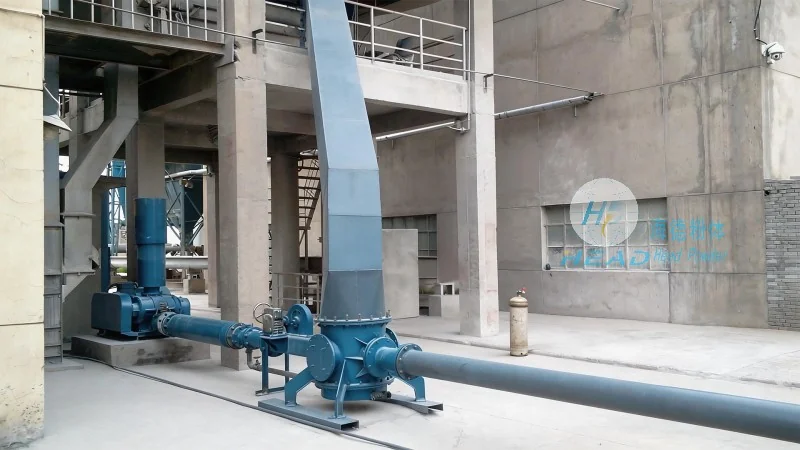
Cassava powder is widely used in the food industry, particularly in the production of starch-based products like tapioca flour and starch derivatives. The pneumatic conveying machine plays a vital role in these processes by enabling the safe and efficient transport of cassava powder from storage to processing equipment. The benefits extend beyond just material transport; the closed system design reduces product contamination, maintains hygiene standards, and minimizes environmental impact by containing dust and airborne particles. This is particularly important in food processing, where regulatory compliance and product quality are paramount.
Company Overview: Shandong HeadPowder Engineering Co., Ltd.
As a leading manufacturer in the field of bulk material handling equipment, Shandong HeadPowder Engineering Co., Ltd. specializes in designing and manufacturing customized pneumatic conveying systems tailored to the unique needs of the food and chemical industries. With a focus on innovation and quality, the company has developed expertise in handling fine powders like cassava starch, ensuring that their machines meet the highest standards of efficiency, reliability, and safety. HeadPowder's commitment to customer satisfaction and product excellence has established them as a trusted partner for businesses seeking advanced material handling solutions.