HeadPowder, a leading manufacturer based in Shandong, China, specializes in the design and production of advanced additive powder handling systems. These systems are crucial for efficiently transporting and managing various types of powder additives used in industrial applications. The following overview provides a detailed look at the structure and operational principles of such systems, highlighting the key components and their functions.
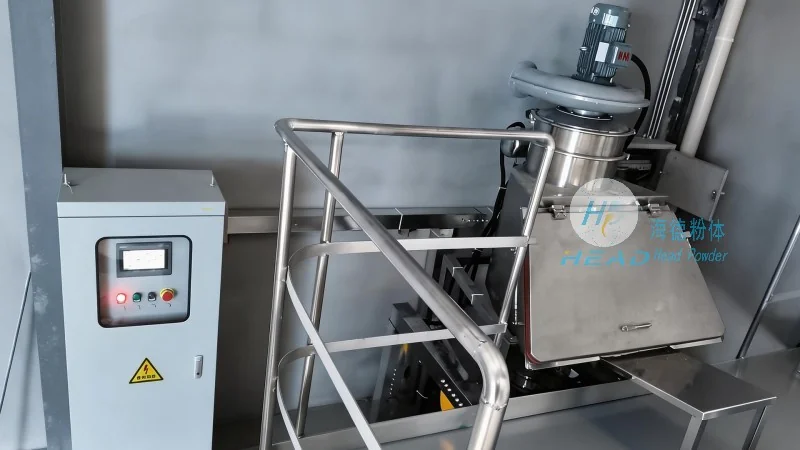
Key Structural Components of Powder Handling Systems
The core structure of an additive powder handling system typically consists of several integrated components that work in harmony to ensure reliable and efficient operation. These components include the hopper, conveyor mechanism, control system, and discharge unit. Each part plays a vital role in the overall functionality of the system.
The hopper is the primary storage container where raw powder additives are loaded. It is designed with a specific geometry to facilitate uniform flow and prevent material bridging or caking. The material used for the hopper, often stainless steel or other corrosion-resistant alloys, ensures durability and compliance with industry standards. The hopper's design may vary depending on the type and properties of the powder being handled, such as bulk density, flowability, and moisture content.
Adjacent to the hopper is the conveyor mechanism, which is responsible for transporting the powder from the storage area to the processing or discharge point. Common conveyor types include screw conveyors, pneumatic conveyors, and belt conveyors. Screw conveyors use a rotating screw to push the powder forward, making them suitable for handling dry, free-flowing powders. Pneumatic conveyors, on the other hand, utilize air pressure to move the powder through a pipeline, offering flexibility for long-distance or complex routing. The choice of conveyor type depends on factors like the powder's characteristics, the required transport distance, and the system's overall capacity.
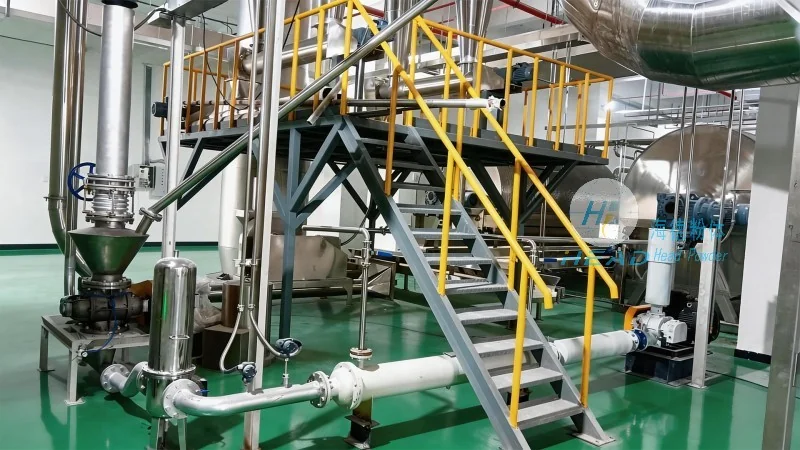
The control system is another critical component that manages the operation of the entire powder handling system. It includes sensors, control panels, and automation software that monitor and regulate the flow rate, pressure, and other parameters. The control system ensures that the powder is transported at the optimal rate, preventing overloading or underflow. It also provides real-time feedback on the system's performance, allowing for quick adjustments if any issues arise. Modern control systems often incorporate advanced features like remote monitoring and predictive maintenance, enhancing operational efficiency and reducing downtime.
The discharge unit is the final component of the system, responsible for releasing the powder into the next stage of the production process. This unit may include valves, gates, or other mechanisms that control the flow of powder out of the system. The design of the discharge unit is tailored to the specific requirements of the downstream process, such as the need for precise dosing or uniform distribution. For example, in pharmaceutical or food processing applications, the discharge unit may include a dosing valve to ensure accurate measurement of the additive powder.
Working Principles of Powder Handling Systems
The operational principle of an additive powder handling system revolves around the controlled movement of powder from the storage hopper to the discharge point. The process begins with the loading of the hopper with the required powder additive. Once the hopper is filled, the control system activates the conveyor mechanism, which starts transporting the powder. The conveyor's speed and direction are adjusted based on the system's settings and the powder's properties.
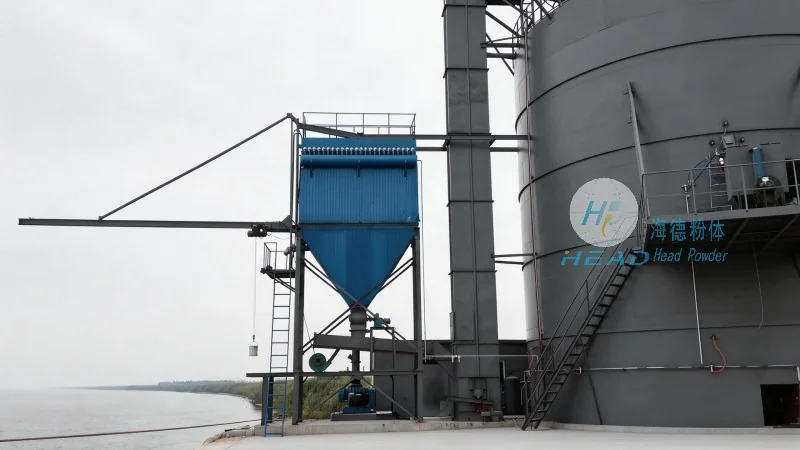
During the transport process, the control system continuously monitors the flow rate and pressure within the system. Sensors, such as load cells or pressure transducers, provide real-time data to the control panel. If the flow rate deviates from the set parameters, the control system automatically adjusts the conveyor speed or the hopper's feed rate to maintain optimal performance. This feedback loop ensures consistent and reliable operation, minimizing the risk of material buildup or system failure.
The discharge unit then receives the powder from the conveyor and releases it into the processing line. The discharge rate is controlled by the control system, which may adjust the valve opening or the conveyor speed to achieve the desired output. In some systems, the discharge unit may include a mixing or blending component to ensure uniform distribution of the additive powder before it enters the next stage of production.
The entire process is designed to be efficient and safe. The system's components are engineered to handle the specific characteristics of the powder, such as its bulk density, flowability, and potential for dust generation. Safety features, such as dust collection systems and explosion-proof designs, are incorporated to protect both the equipment and the operators. Additionally, the system is built to comply with relevant industry standards and regulations, ensuring that it meets the required quality and safety criteria.
Technical Advantages and Applications
Additive powder handling systems from HeadPowder offer several technical advantages that make them ideal for various industrial applications. The systems are designed to handle a wide range of powder types, from fine powders used in pharmaceuticals to bulk powders used in construction materials. The modular design allows for easy customization to meet specific customer requirements, ensuring optimal performance in diverse operational environments.
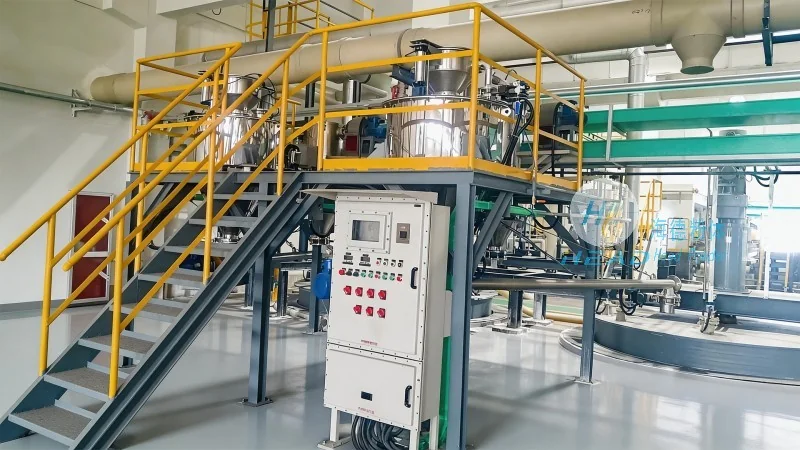
One of the key advantages is the high level of automation and control. The integrated control system provides precise regulation of the powder flow, reducing the risk of human error and improving product consistency. This is particularly important in industries where accurate dosing and uniform distribution of additives are critical, such as food processing, pharmaceutical manufacturing, and chemical production.
The systems also feature robust construction and durable materials, ensuring long-term reliability and minimal maintenance. The use of stainless steel and other corrosion-resistant materials helps to prevent contamination and maintain product purity. Additionally, the systems are equipped with advanced safety features, including dust suppression and explosion-proof designs, to protect operators and the surrounding environment.
In summary, additive powder handling systems from Shandong HeadPowder Engineering Co., Ltd. are engineered to provide efficient, reliable, and safe operation for transporting and managing powder additives. The combination of advanced structural components, precise control systems, and robust design makes these systems a valuable asset for any industrial application requiring consistent and high-quality powder handling.




