

Technical Analysis of Positive Electrode Material Pneumatic Conveying Systems: Comparison of Positiv
HeadPowder, a leading engineering firm based in Shandong, China, specializes in the design and implementation of advanced pneumatic conveying systems tailored for the handling of positive electrode materials in lithium-ion battery production. This article provides a technical analysis of the two primary conveying modes—positive pressure and negative pressure—and compares their applications, advantages, and limitations within the context of modern battery manufacturing processes.
Understanding Pneumatic Conveying Systems for Positive Electrode Materials
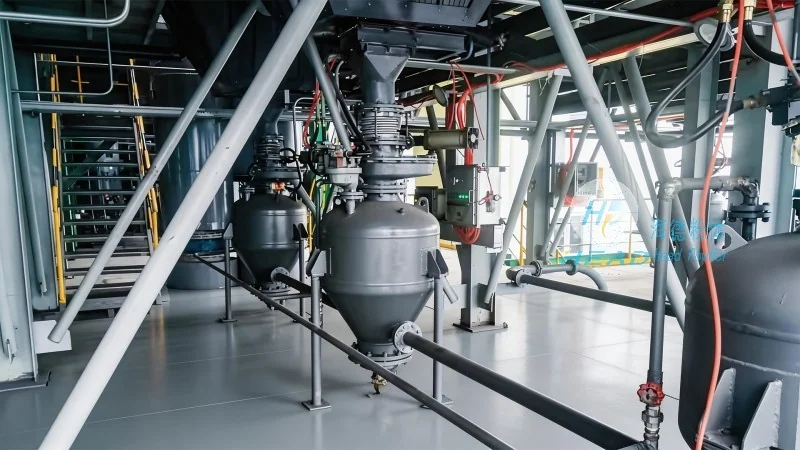
Pneumatic conveying systems are critical for the efficient and safe transportation of fine powders, such as those used in the production of positive electrode materials for lithium-ion batteries. These systems utilize air or gas to move material through a pipeline, eliminating the need for mechanical components like conveyors or elevators that could cause contamination or material degradation. The choice between positive and negative pressure modes depends on factors like material properties, system layout, and operational requirements.
Positive Pressure Conveying Mode
Positive pressure conveying operates by blowing air or gas into the conveying line, creating a pressure higher than the ambient air pressure. The material is then drawn into the pipeline by the pressure differential. This mode is particularly effective for handling materials that are prone to dust explosion risks or require a closed system to prevent contamination. The positive pressure system typically uses a blower or compressor to generate the necessary pressure, and the material is transported through a pipeline that may include bends, filters, and control valves.
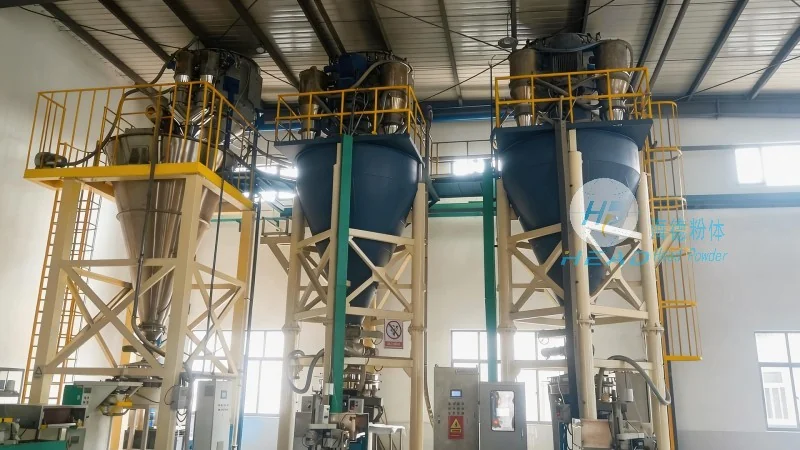
Key advantages of positive pressure systems include their ability to handle abrasive or corrosive materials without wear on mechanical parts, as the material is not in direct contact with moving components. Additionally, they are suitable for long-distance conveying and can be integrated with dust collection systems to maintain a clean environment. However, positive pressure systems require robust sealing and explosion-proof designs to ensure safety, especially when dealing with flammable or explosive powders.
Negative Pressure Conveying Mode
Negative pressure conveying, also known as suction or vacuum conveying, works by creating a vacuum in the conveying line, which draws material from the source into the pipeline. The material is then transported to the destination under the vacuum pressure. This mode is often preferred for applications where the material source is located at a higher elevation or where the system needs to handle materials with low flowability or high dust generation.
One of the main benefits of negative pressure systems is their ability to handle materials with low bulk density or those that are difficult to move by gravity. They are also suitable for short to medium-distance conveying and can be used in systems where the material needs to be collected from multiple points. However, negative pressure systems have limitations in terms of conveying distance and material capacity, as the vacuum pressure decreases with distance and can be affected by system leaks or blockages.
Comparison of Positive and Negative Pressure Modes
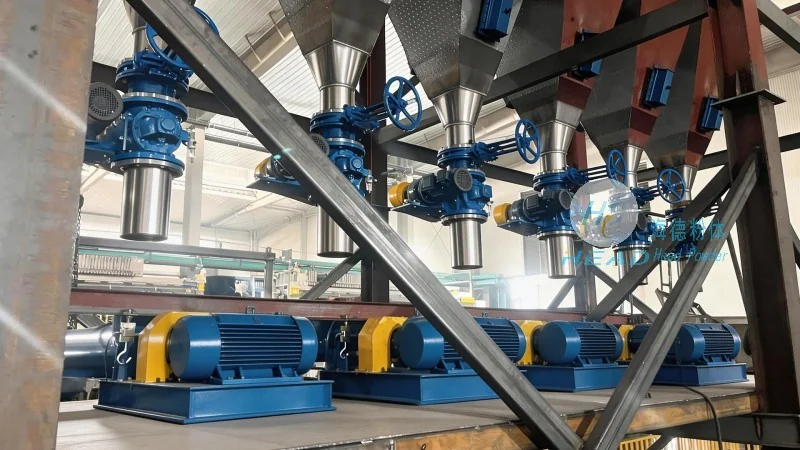
When selecting a pneumatic conveying system for positive electrode materials, it is essential to evaluate the specific requirements of the application. Positive pressure systems are generally more suitable for high-volume, long-distance conveying and for materials that require a closed, explosion-proof environment. They are also easier to scale up for large-scale production lines. In contrast, negative pressure systems are better suited for handling materials with low flowability, for short-distance conveying, or for applications where the material source is elevated and needs to be drawn into the system.
The choice between the two modes also depends on the operational environment and safety considerations. Positive pressure systems are preferred in environments where dust explosion hazards are a concern, as they prevent the release of material into the atmosphere. Negative pressure systems, while effective for dust collection, may require additional filtration to prevent the escape of fine particles from the system.
Application in Battery Manufacturing
For the production of lithium-ion batteries, the positive electrode material, typically a composite of lithium cobalt oxide (LCO), lithium nickel manganese cobalt oxide (NMC), or lithium iron phosphate (LFP), requires precise handling to maintain its quality and prevent contamination. Pneumatic conveying systems, whether positive or negative pressure, play a crucial role in transporting these materials from storage silos to mixing and coating lines. The efficiency of the conveying system directly impacts the overall production throughput and product quality.
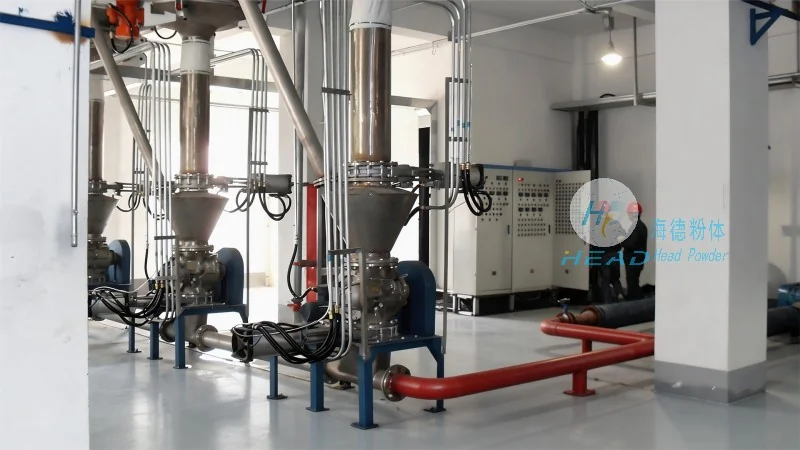
HeadPowder’s engineering expertise ensures that the selected conveying mode is optimized for the specific material properties and production scale. For example, in a large-scale battery factory, a positive pressure system may be used to transport high-volume LCO powder from a storage silo to the mixing plant, while a negative pressure system may be employed to handle smaller batches of NMC powder from a laboratory-scale mixer. The integration of these systems with dust collection and filtration equipment ensures that the material remains free from contaminants throughout the process.
Conclusion
In conclusion, the selection of a pneumatic conveying system for positive electrode materials in lithium-ion battery production depends on a careful evaluation of material characteristics, system requirements, and safety considerations. Both positive and negative pressure modes offer distinct advantages and are suitable for different applications. HeadPowder, with its extensive experience in engineering and manufacturing, provides customized solutions that optimize the conveying process, enhance safety, and improve overall production efficiency. By understanding the technical differences between these modes, manufacturers can make informed decisions to ensure the reliable and efficient handling of positive electrode materials.