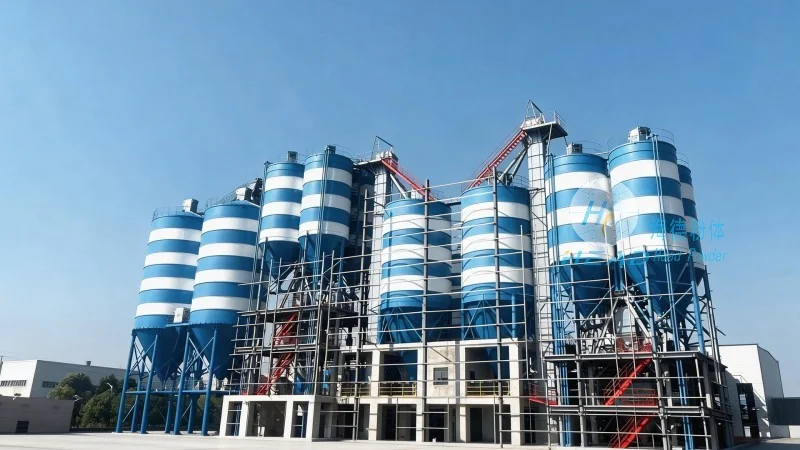
Maltose, a critical component in the food and beverage sector, demands efficient and reliable material handling solutions to preserve quality and operational efficiency. Pneumatic conveying systems have become the preferred method for transporting maltose due to their ability to maintain product integrity, minimize contamination, and enhance process flow. HeadPowder, a leading engineering firm based in Shandong, China, specializes in designing and manufacturing advanced pneumatic conveying systems tailored for maltose applications. This article provides a technical analysis of the two primary conveying modes—positive pressure and negative pressure—and compares their characteristics, benefits, and limitations.
Introduction to Pneumatic Conveying Systems for Maltose
Pneumatic conveying systems utilize air or gas to transport bulk materials like maltose through a pipeline. These systems are widely adopted in the food processing industry because they can handle sensitive materials without degradation and offer dust-free operation. HeadPowder's expertise lies in customizing these systems to meet the specific requirements of maltose handling, ensuring optimal performance and durability.
Positive Pressure Conveying Mode: Advantages and Applications
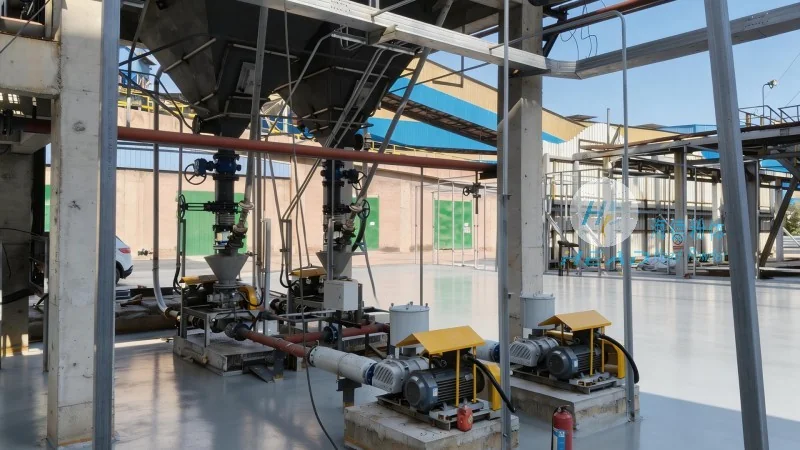
Positive pressure conveying operates by blowing air or gas into the material stream, creating a pressure higher than the ambient air. This mode is particularly effective for distributing maltose from a central source to multiple destinations, as it eliminates the need for additional vacuum equipment. HeadPowder's positive pressure systems are equipped with robust airlocks and rotary valves to prevent material blockages and ensure consistent flow. The system typically uses high-pressure air compressors, which provide the necessary force to move the maltose through the pipeline. A key advantage of this mode is its ability to handle abrasive materials and prevent product degradation due to low friction and minimal contact with the pipeline interior. Additionally, positive pressure systems are generally easier to maintain and repair, as they do not require complex vacuum pumps or extensive filtration systems.
Negative Pressure Conveying Mode: Characteristics and Use Cases
Negative pressure conveying, also known as vacuum conveying, works by creating a vacuum in the material line, drawing the maltose from the source into the system. This mode is ideal for applications where the material needs to be transported from multiple points to a central collection point, such as in bulk handling operations. HeadPowder's negative pressure systems utilize high-efficiency vacuum pumps and advanced filtration to ensure clean and efficient material transfer. The system is particularly suitable for handling fine or powdery maltose, as the vacuum helps maintain the material's particle size and prevents agglomeration. However, negative pressure systems may be more prone to clogging and require more maintenance due to the higher risk of material buildup in the pipeline. The vacuum also necessitates careful control of air leakage to maintain system efficiency and prevent energy waste.
Comparison of Positive and Negative Pressure Conveying for Maltose
When selecting a pneumatic conveying system for maltose, it is crucial to evaluate the specific operational needs and constraints. Positive pressure systems excel in scenarios requiring multiple discharge points and handling of abrasive or high-density materials, while negative pressure systems are better suited for centralized collection and handling of fine powders. HeadPowder's technical team conducts thorough assessments of the client's production processes, material characteristics, and site layout to recommend the most appropriate conveying mode. For instance, in a large-scale maltose production facility with multiple storage silos and processing lines, a combination of both positive and negative pressure systems may be employed to optimize material flow and reduce downtime. The choice between the two modes also depends on factors such as energy consumption, system complexity, and the need for dust control. Positive pressure systems generally consume more energy due to the high-pressure air requirements, whereas negative pressure systems may have higher maintenance costs due to the vacuum components.
HeadPowder's Expertise in Maltose Pneumatic Conveying Solutions
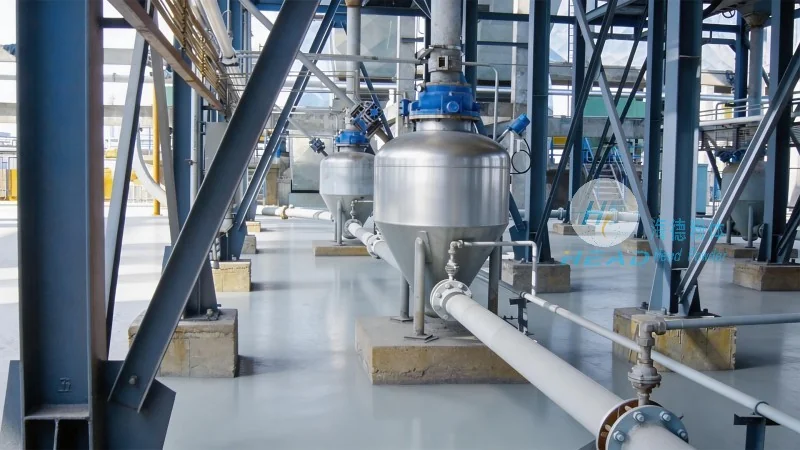
Shandong HeadPowder Engineering Co., Ltd., with its headquarters in Shandong, China, has established itself as a trusted provider of customized pneumatic conveying systems for the maltose industry. The company's engineering team leverages advanced technology and extensive industry experience to design systems that meet the stringent requirements of food processing applications. HeadPowder's solutions include a range of components such as air compressors, vacuum pumps, rotary valves, and filtration systems, all tailored to ensure reliable and efficient maltose handling. The company's commitment to quality and customer satisfaction is reflected in its rigorous testing protocols and after-sales support services. By partnering with HeadPowder, maltose manufacturers can enhance their operational efficiency, reduce material loss, and maintain product quality throughout the conveying process.
Conclusion: Choosing the Right Conveying Mode for Maltose
In conclusion, both positive pressure and negative pressure pneumatic conveying systems offer viable solutions for transporting maltose, each with its own set of advantages and limitations. The selection of the appropriate mode depends on factors such as the material's characteristics, the layout of the production facility, and the specific operational requirements. HeadPowder's technical analysis and customized solutions help clients make informed decisions, ensuring optimal performance and cost-effectiveness. By leveraging the expertise of Shandong HeadPowder Engineering Co., Ltd., maltose producers can enhance their material handling processes, improve overall productivity, and maintain compliance with industry standards. The company's commitment to innovation and customer-centric approach positions it as a leading partner in the development of advanced pneumatic conveying systems for the food and beverage industry.




