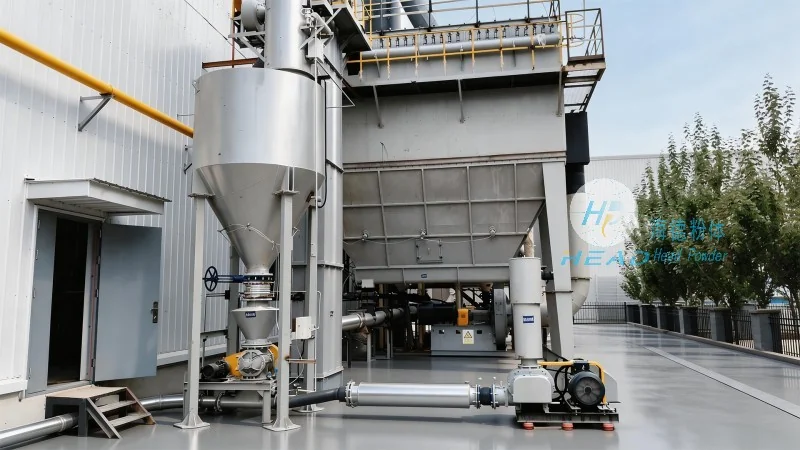
HeadPowder, a leading manufacturer based in Shandong, China, specializes in the design and production of advanced pneumatic conveying systems tailored for handling glass fiber and cellulose materials. This article provides an overview of the glass fiber cellulose pneumatic conveying equipment, detailing its structural components and operational principles to help users understand its functionality and benefits.
Company Profile and Background
HeadPowder Engineering Co., Ltd. is a professional enterprise dedicated to the research, development, and manufacturing of pneumatic conveying solutions. With a strong focus on innovation and quality, the company has established itself as a trusted provider in the industry. Headquartered in Shandong, China, HeadPowder leverages its local expertise and technical capabilities to deliver reliable equipment for various industrial applications.
Overview of Glass Fiber Cellulose Pneumatic Conveying Equipment
Glass fiber and cellulose are widely used materials in industries such as construction, automotive, and manufacturing. The traditional methods of handling these materials often involve manual labor or mechanical systems that may lead to dust contamination and operational inefficiencies. Pneumatic conveying equipment offers a more efficient and hygienic solution by transporting these materials through an air stream, minimizing environmental impact and improving process safety.
Structural Components of the Pneumatic Conveying System
The glass fiber cellulose pneumatic conveying equipment typically consists of several key components that work in tandem to achieve effective material transport. These components include the hopper, feeder, conveying line, and receiver. Each part plays a critical role in the overall operation of the system.
The Hopper and Material Feeding System
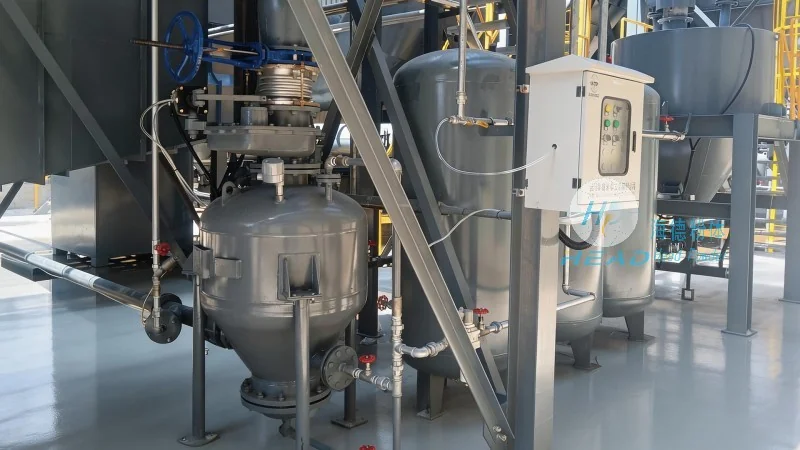
The hopper is the initial storage unit where glass fiber or cellulose materials are loaded. It is designed to accommodate bulk quantities of the material and ensure a consistent feed rate. The feeder, often a rotary valve or a screw feeder, regulates the flow of material from the hopper into the conveying line. This component is crucial for maintaining a stable and controlled material supply, preventing blockages and ensuring smooth operation.
The Conveying Line and Air Supply
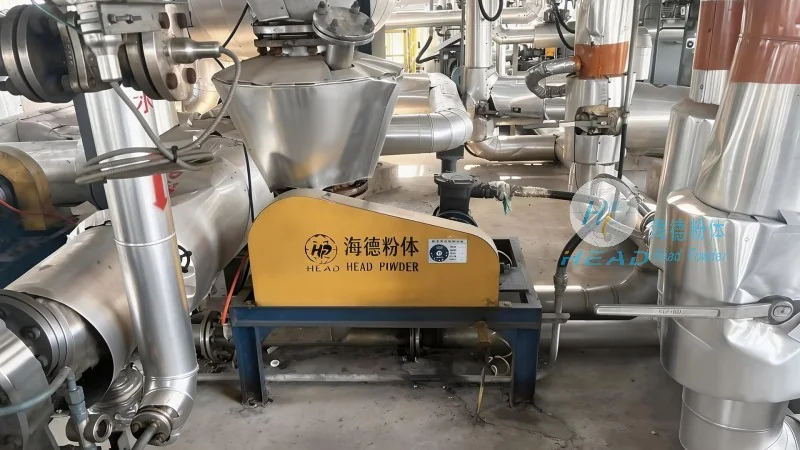
The conveying line is the central part of the system, responsible for transporting the material through the air stream. It is usually made of durable materials like stainless steel or high-grade plastic to withstand the abrasive nature of glass fiber and cellulose. The air supply system, which includes a blower or a vacuum pump, generates the necessary air pressure or vacuum to move the material. The air flow is carefully controlled to optimize the conveying efficiency and minimize energy consumption.
The Receiver and Material Discharge
The receiver is the final component where the conveyed material is deposited. It is designed to collect the material efficiently and prevent spillage or dust emissions. The receiver may include a discharge valve or a conveyor to transfer the material to the next processing stage. Proper sealing and filtration are essential to maintain a clean and safe working environment.
Operational Principles and Working Mechanisms
The pneumatic conveying process operates on the principle of air movement. When the air supply system generates pressure or vacuum, it creates a flow that pulls or pushes the material particles through the conveying line. The material is suspended in the air stream and transported to the receiver. The velocity and pressure of the air are critical factors that determine the conveying capacity and distance. Advanced systems may incorporate features like pulse jet technology or cyclone separators to enhance performance and ensure efficient material separation.
Advantages of Glass Fiber Cellulose Pneumatic Conveying Equipment
Implementing pneumatic conveying systems for glass fiber and cellulose materials offers several advantages over traditional methods. These include improved process efficiency, reduced labor costs, enhanced safety due to enclosed systems, and minimized environmental contamination. The equipment also allows for flexible material handling, enabling the transport of materials over long distances without the need for multiple transfer points. Additionally, the systems are easy to integrate into existing production lines, providing a seamless solution for material transport needs.
Applications and Industries
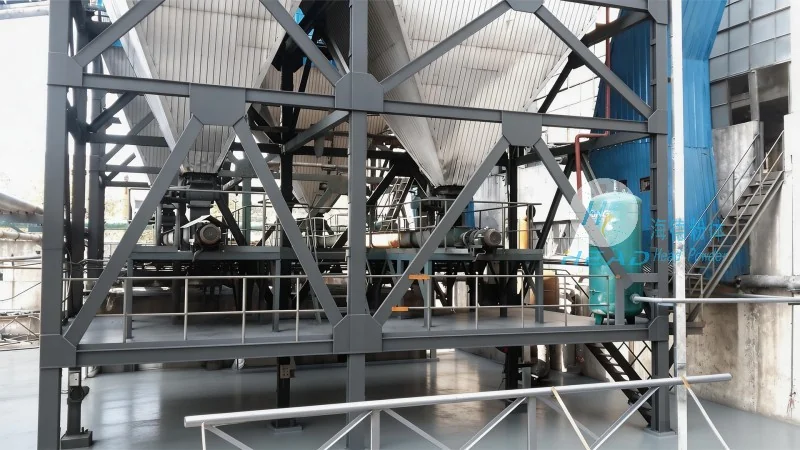
The glass fiber cellulose pneumatic conveying equipment is widely used in various industries that rely on these materials. In the construction industry, it is used for transporting glass fiber-reinforced plastics and cellulose-based insulation materials. The automotive industry utilizes it for handling glass fiber components in vehicle manufacturing. Other applications include the paper and packaging industries, where cellulose materials are processed and transported efficiently. HeadPowder's equipment is designed to meet the specific requirements of these industries, ensuring optimal performance and reliability.
Maintenance and Operational Considerations
To ensure the longevity and efficiency of the glass fiber cellulose pneumatic conveying equipment, regular maintenance is essential. This includes cleaning the hopper and conveying line to prevent material buildup, inspecting the air supply system for proper operation, and checking the feeder and receiver components for wear and tear. Proper maintenance schedules and routine checks help to minimize downtime and maximize the equipment's lifespan. Additionally, operators should follow the manufacturer's guidelines for material handling and system operation to ensure safe and effective use of the equipment.
Conclusion
Glass fiber cellulose pneumatic conveying equipment is a sophisticated and efficient solution for handling these materials in various industrial applications. With its robust structural design and advanced operational principles, the equipment offers significant benefits in terms of process efficiency, safety, and environmental compliance. HeadPowder Engineering Co., Ltd., based in Shandong, China, continues to innovate and provide high-quality pneumatic conveying systems that meet the evolving needs of the industry. By understanding the structural components and working mechanisms of this equipment, users can make informed decisions and optimize their material handling processes.




