Lightweight calcium carbonate (LCC) is a widely used industrial filler and pigment, crucial in applications such as papermaking, plastics, and coatings. The efficient handling and transportation of LCC are essential for maintaining production efficiency and product quality. Pneumatic conveying systems have emerged as a preferred solution for transporting LCC due to their ability to handle fine powders with minimal dust and contamination. This article provides an overview of the structure and working principle of lightweight calcium carbonate pneumatic conveying equipment, highlighting key components and operational mechanisms.
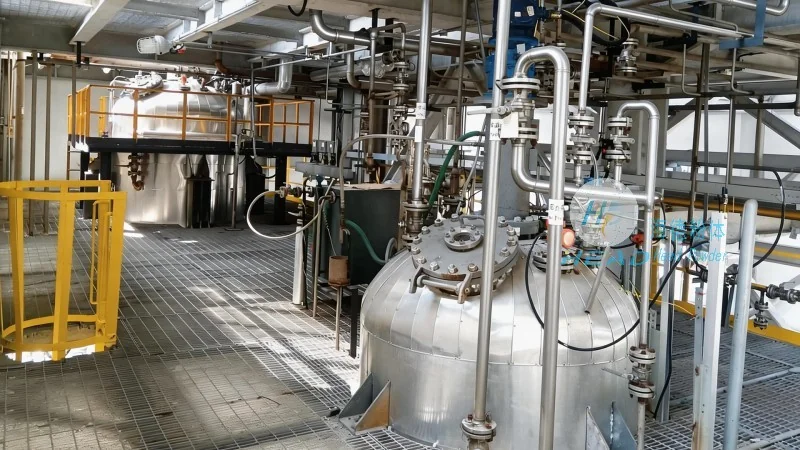
Key Components of the Pneumatic Conveying System
The pneumatic conveying system for LCC typically consists of several core components that work in tandem to ensure reliable and efficient material transport. The primary components include a material hopper, a feeder, a conveying pipeline, a dust separator, and a collection tank. Each component plays a critical role in the overall operation of the system.
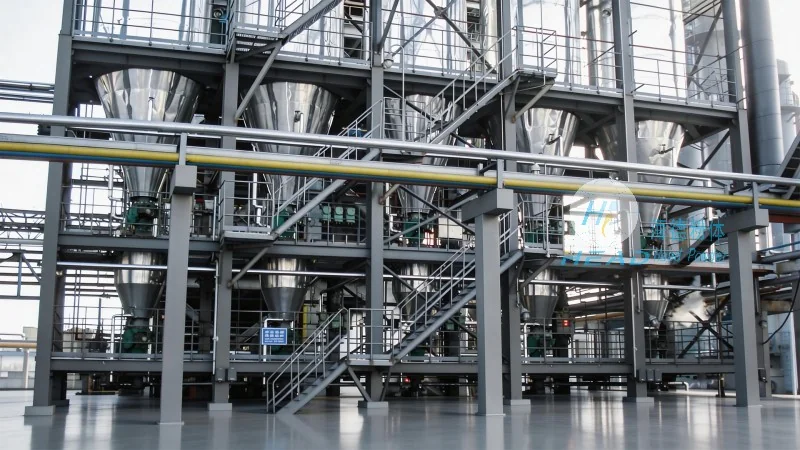
The material hopper is designed to store the lightweight calcium carbonate powder. It is equipped with a discharge valve to control the flow of material into the feeder. The hopper is usually made of stainless steel or other corrosion-resistant materials to prevent contamination and ensure durability. The feeder, often a rotary valve or a screw feeder, regulates the flow rate of the LCC into the conveying pipeline. This component ensures a consistent and controlled feed, preventing overloading or underloading of the system. The conveying pipeline is a network of pipes that transports the LCC from the hopper to the collection tank. The pipeline is typically made of stainless steel or plastic, chosen based on the specific requirements of the application. The pipeline may include bends, elbows, and other fittings to direct the material flow. The dust separator, or cyclone separator, is a critical component that separates the LCC particles from the air stream. As the air and powder mixture enters the separator, centrifugal force causes the heavier LCC particles to be deposited into the collection tank, while the clean air is discharged back into the system or released to the environment. The collection tank stores the conveyed LCC, ready for further processing or packaging.
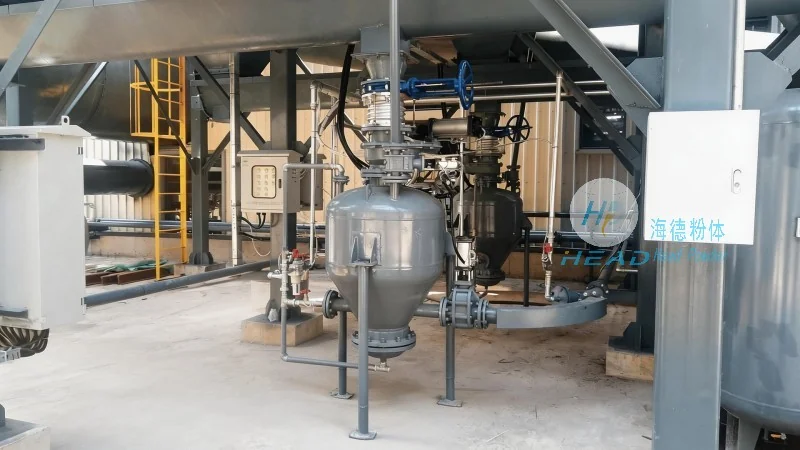
Working Principle of the Pneumatic Conveying Process
The operation of the lightweight calcium carbonate pneumatic conveying system follows a sequential process. The process begins with the material being fed from the hopper into the feeder. The feeder controls the flow rate, ensuring a steady supply of LCC to the conveying pipeline. Simultaneously, a fan or blower generates a high-velocity air stream within the pipeline. The air stream carries the LCC particles through the pipeline, moving them from the hopper to the collection tank. The air and powder mixture then enters the dust separator, where the centrifugal force separates the LCC particles from the air. The separated LCC falls into the collection tank, while the air is either recirculated or vented. The system maintains a consistent pressure and flow rate to ensure efficient transport, minimizing particle degradation and loss.
Advantages of Using Pneumatic Conveying for LCC
Pneumatic conveying systems offer several advantages when handling lightweight calcium carbonate. These include the ability to transport fine powders without the need for mechanical components that could cause particle breakage or contamination. The system is also relatively compact and can be integrated into existing production lines, reducing space requirements. Additionally, pneumatic conveying minimizes dust emissions compared to other methods, such as bucket elevators or belt conveyors, making it more environmentally friendly. The controlled flow rate and consistent pressure ensure that the LCC is transported efficiently, maintaining product quality and reducing downtime due to blockages or material buildup.
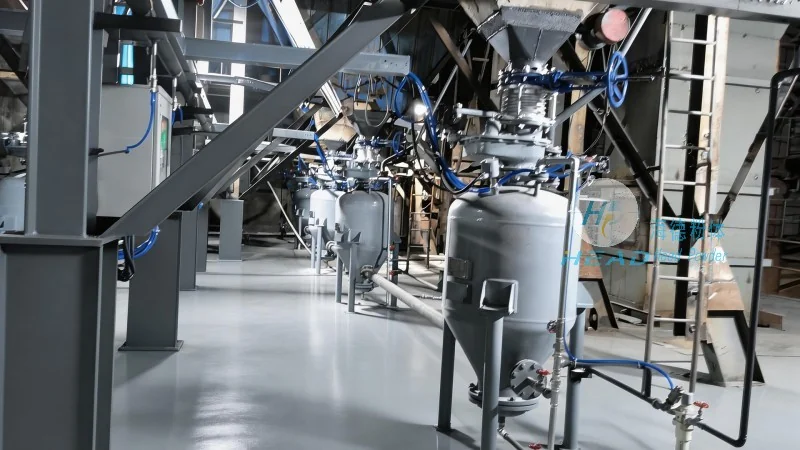
Company Profile: Shandong HeadPowder Engineering Co., Ltd.
Shandong HeadPowder Engineering Co., Ltd., operating under the brand name headpowder, specializes in the design, manufacturing, and supply of advanced pneumatic conveying equipment for various industrial applications. With a focus on quality and innovation, the company has established itself as a leading provider of solutions for handling fine powders like lightweight calcium carbonate. The company's headquarters is located in Shandong, China, where it has a dedicated team of engineers and technicians who develop and refine its products to meet the evolving needs of the industry. Headpowder's expertise lies in customizing pneumatic conveying systems to suit specific customer requirements, ensuring optimal performance and reliability. The company adheres to strict quality control standards, using high-grade materials and advanced manufacturing techniques to produce durable and efficient equipment. By leveraging its experience and technological advancements, headpowder continues to deliver reliable solutions for the transportation of lightweight calcium carbonate and other fine powders.




