Pneumatic conveying, particularly for heavy calcium powder, is a critical technology in industrial material handling. This method involves transporting bulk powders like heavy calcium carbonate (often referred to as heavy calcium powder) through a pipeline using air or gas as the conveying medium. The process is widely adopted in industries such as chemicals, food processing, and construction materials due to its efficiency and ability to handle fine powders without mechanical contact. Heavy calcium powder, with its high density and fine particle size, requires specialized conveying systems to ensure minimal degradation and optimal flow characteristics.
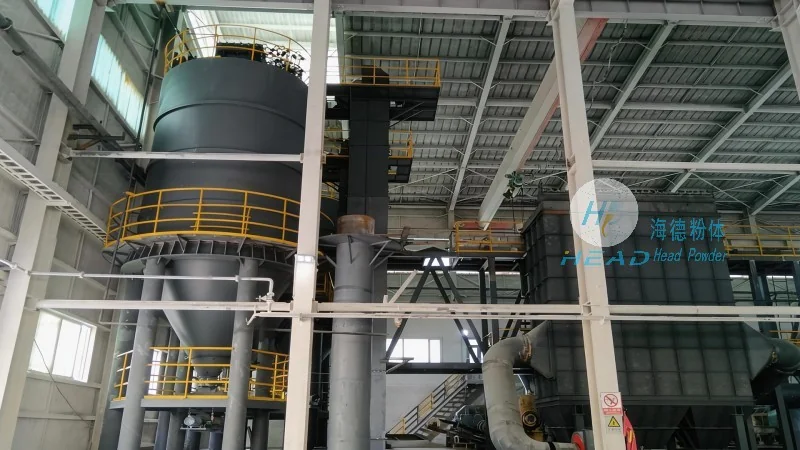
Structural Principles of Pneumatic Conveying Systems
The core of a pneumatic conveying system for heavy calcium powder is its integrated structure designed to manage the unique properties of the material. The system typically consists of several key components: a feeding device to introduce the powder into the pipeline, a blower or compressor to generate the air flow, a conveying pipeline to transport the powder-air mixture, a separation unit to separate the powder from the air, and a collection system to store the material. The structural design must account for the high density and abrasive nature of heavy calcium powder, ensuring that components like pipelines, valves, and separation equipment are constructed from durable materials to withstand wear and maintain efficiency over time.
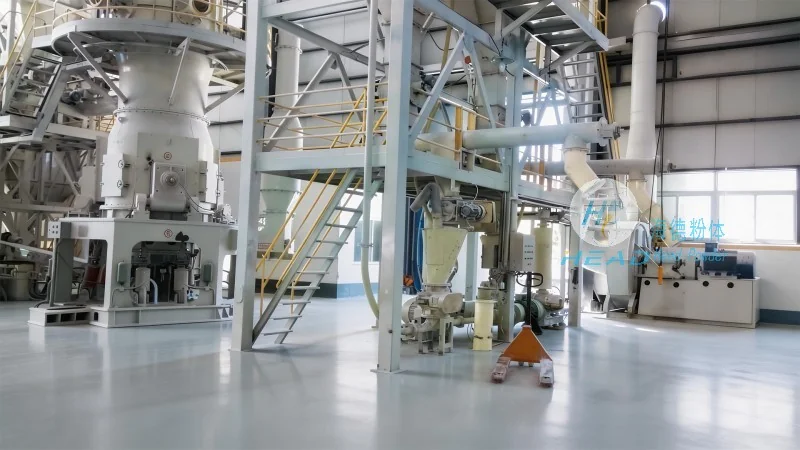
Key Components and Their Functions
Each component in the heavy calcium powder pneumatic conveying system plays a vital role in the overall operation. The feeding device, often a rotary valve or a screw feeder, controls the flow rate of the powder into the pipeline, preventing blockages and ensuring a consistent feed. The blower or compressor provides the necessary pressure and airflow to move the powder through the system. The conveying pipeline, usually made of stainless steel or other corrosion-resistant materials, is designed with smooth internal surfaces to minimize friction and particle attrition. The separation unit, such as a cyclone or a bag filter, uses centrifugal force or filtration to separate the heavy calcium powder from the air, allowing the air to be recirculated or discharged while the powder is collected in a hopper. The collection system ensures that the material is stored safely and can be easily transferred to the next processing stage.
Application Scenarios and Advantages
Heavy calcium powder pneumatic conveying is applied in various industrial processes where bulk handling of fine powders is required. For instance, in the production of coatings, plastics, and paper, heavy calcium powder is used as a filler or pigment, and pneumatic conveying ensures that it is transported from storage to processing equipment without dust generation or material loss. The advantages of this method include high conveying efficiency, reduced labor costs compared to manual handling, and improved safety by minimizing exposure to dust. Additionally, the system can be designed to handle different particle sizes and flow rates, making it versatile for various production scales. The environmental benefits are also significant, as pneumatic conveying reduces the need for open-air handling, which can lead to dust pollution and health hazards.
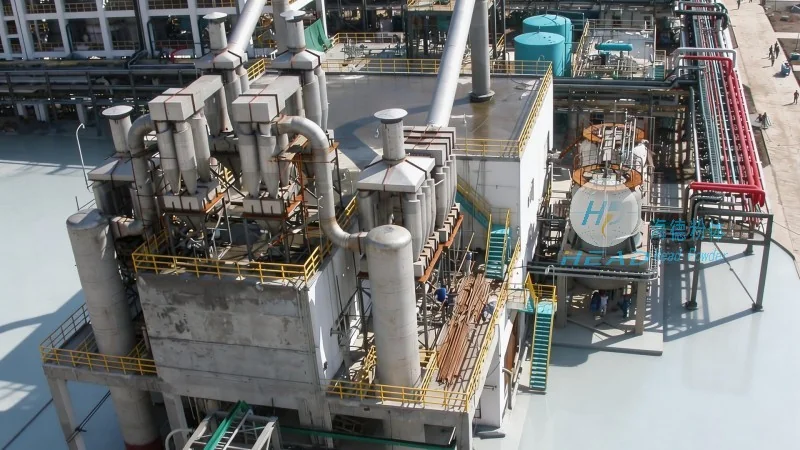
Company Profile: Shandong HeadPowder Engineering Co., Ltd.
Shandong HeadPowder Engineering Co., Ltd., operating under the brand name headpowder, is a leading provider of pneumatic conveying solutions tailored for heavy calcium powder applications. The company is headquartered in Shandong, China, and specializes in designing, manufacturing, and installing customized conveying systems that meet the specific needs of clients in the chemical and material processing industries. With a focus on quality and innovation, headpowder leverages advanced engineering and material science to develop robust and efficient systems that enhance productivity and safety. The company's expertise in handling high-density powders like heavy calcium has established it as a trusted partner for businesses seeking reliable material handling solutions. By combining technical expertise with practical application knowledge, headpowder ensures that its systems not only meet current industry standards but also adapt to future technological advancements in powder processing.




