Monosodium glutamate (MSG), a widely used flavor enhancer in the food industry, requires efficient and reliable transportation methods to ensure quality and safety during processing. Pneumatic conveying is a key technology in handling MSG, offering advantages such as dust-free operation, low maintenance, and the ability to transport materials over long distances. This article provides an overview of the pneumatic conveying system for MSG, detailing its structural components and operational principles.
Understanding Pneumatic Conveying Systems
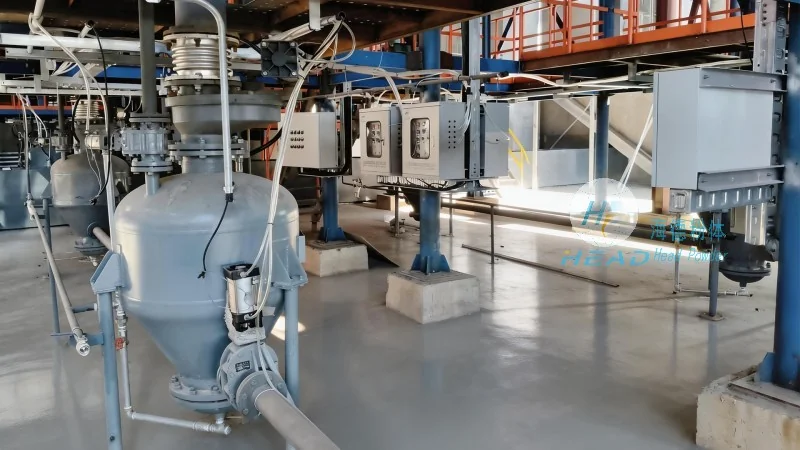
Pneumatic conveying systems utilize air or gas to transport bulk materials like MSG through a pipeline network. The process involves creating a pressure differential to move the material from the source to the destination. There are two main types of pneumatic conveying: pressure and vacuum systems. Pressure systems use compressed air to push the material, while vacuum systems use a vacuum to pull the material. For MSG, a pressure system is often preferred due to its ability to handle high volumes and maintain product integrity.
Key Structural Components of the Pneumatic Conveying System
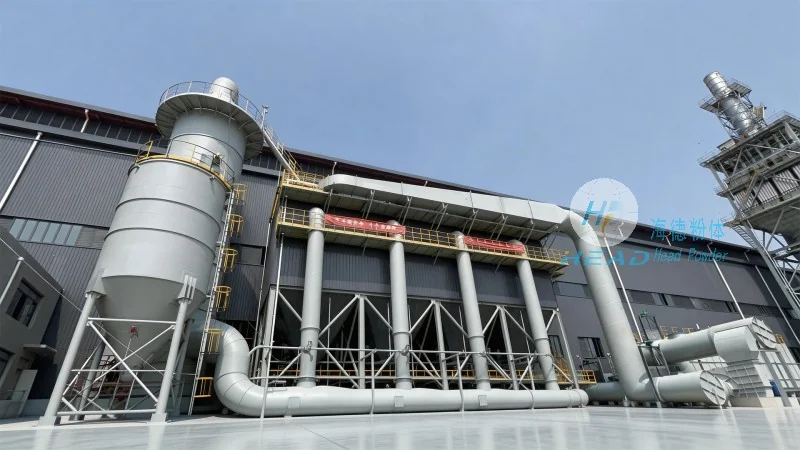
The pneumatic conveying system for MSG typically consists of several critical components that work together to ensure efficient operation. These include the hopper, feeder, pipeline, airlock, and receiver. The hopper serves as the storage container for the MSG, providing a uniform feed to the system. The feeder, often a rotary valve or screw feeder, controls the flow rate of the material into the pipeline. The pipeline is made of materials resistant to corrosion and wear, such as stainless steel, to prevent contamination and ensure durability. The airlock is a critical component that separates the material from the air stream, preventing material loss and maintaining system pressure. The receiver is the final storage container where the conveyed MSG is collected.
Operational Principles and Flow Process
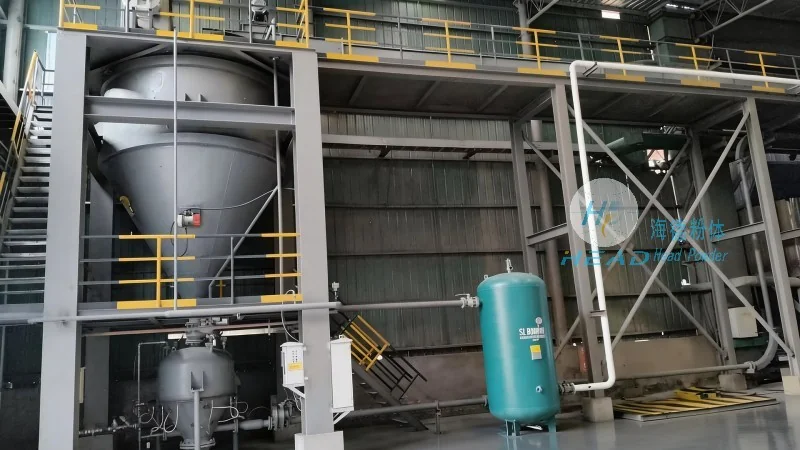
The operation of the pneumatic conveying system for MSG involves a sequence of steps. First, the MSG is fed from the hopper into the feeder. The feeder then controls the flow rate, ensuring a consistent supply to the pipeline. Compressed air is introduced into the pipeline, creating a pressure differential that moves the MSG particles. The air and material mixture travels through the pipeline to the receiver. The airlock at the receiver separates the material from the air, allowing the MSG to be discharged into the receiver. The air is then filtered and recycled back into the system, reducing energy consumption and waste.
About Shandong HeadPowder Engineering Co., Ltd.
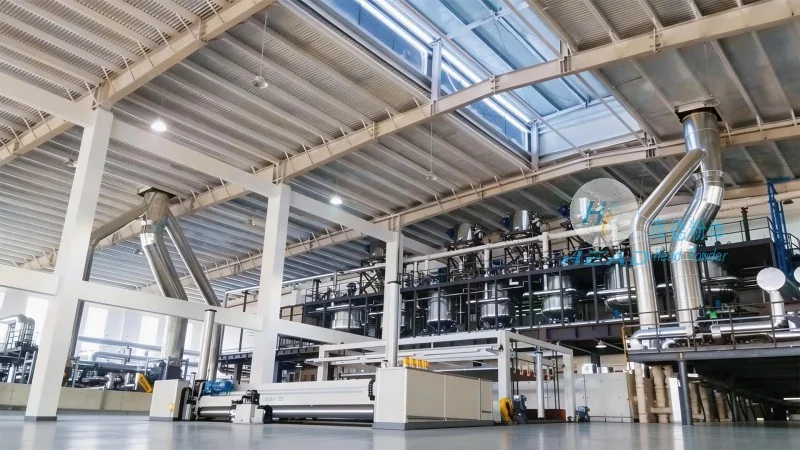
Shandong HeadPowder Engineering Co., Ltd., a leading manufacturer in the field of material handling equipment, specializes in designing and manufacturing pneumatic conveying systems for various industries, including food processing. With years of experience and a commitment to quality, HeadPowder provides customized solutions tailored to the specific needs of their clients. The company's headquarters is located in Shandong, China, where they have a team of skilled engineers and technicians dedicated to research and development. HeadPowder's products are known for their reliability, efficiency, and compliance with industry standards, making them a trusted partner for businesses in the food industry.




