Shandong HeadPowder Engineering Co., Ltd., commonly known as headpowder, specializes in the design, manufacturing, and supply of advanced powder handling equipment. With a focus on silicate powder applications, the company has established itself as a leading provider in the industry, serving clients with reliable and efficient solutions for material transport and processing. Headquartered in Shandong, China, the company leverages decades of expertise to deliver high-performance systems tailored to diverse industrial needs.
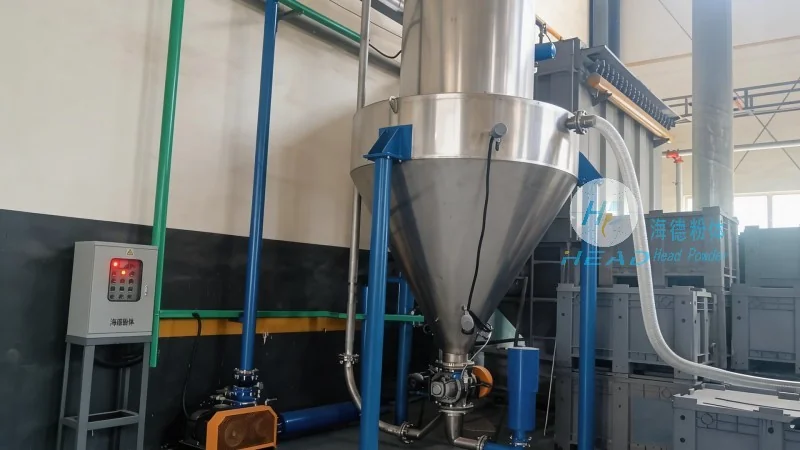
Overview of Silicate Powder Conveying System Equipment
The silicate powder conveying system equipment is a specialized piece of machinery engineered to handle the transportation of silicate powders, which are widely used in construction, ceramics, and other industrial sectors. These systems are designed to ensure efficient, safe, and consistent material movement, addressing the unique challenges associated with handling fine, abrasive, or moisture-sensitive powders. The equipment typically includes components such as feeders, conveyors, and control systems, all integrated to form a seamless operation for bulk material handling.
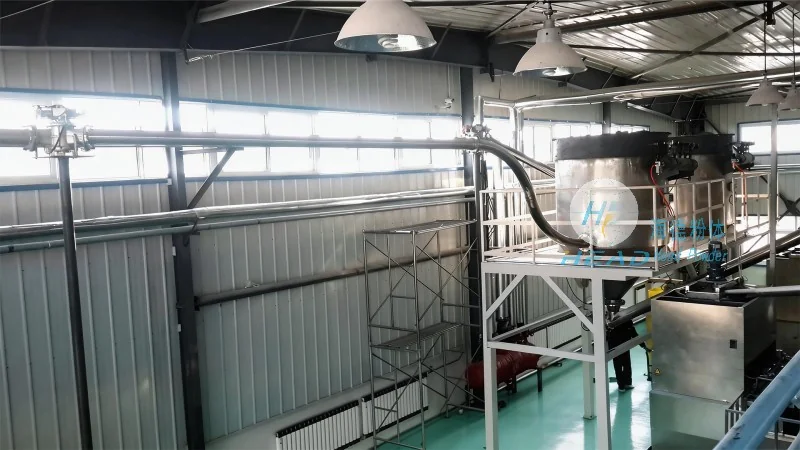
Operation Process of the Silicate Powder Conveying System
The operation of the silicate powder conveying system follows a systematic sequence to ensure smooth material flow. Initially, the silicate powder is fed into the system through a hopper or feeder, where it is evenly distributed and prepared for transport. The feeder regulates the flow rate, preventing overloading or underflow that could disrupt the process. Next, the powder is conveyed through a series of components, such as screw conveyors, pneumatic ducts, or belt conveyors, depending on the system design. Each conveyor section is designed to handle specific material characteristics, ensuring minimal degradation or segregation. The system incorporates sensors and control mechanisms to monitor flow rates, pressure, and other critical parameters, allowing for real-time adjustments to maintain optimal performance. Finally, the powder is discharged into a storage silo or processing unit, completing the transport cycle. The entire process is automated, reducing human intervention and enhancing operational efficiency.
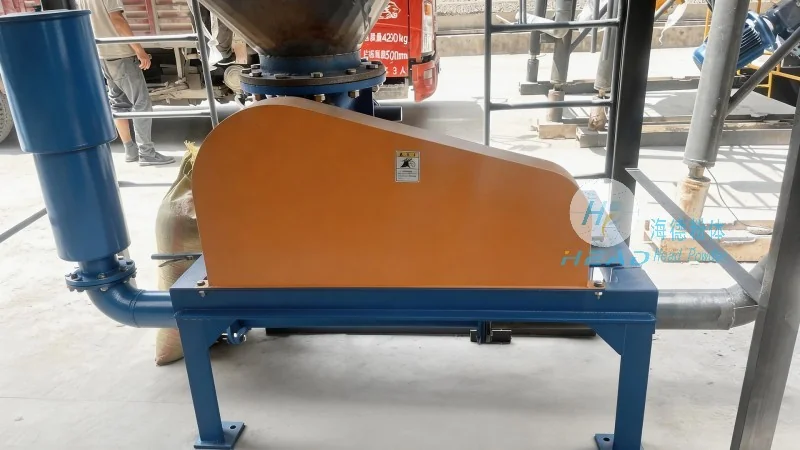
Working Principle of the Silicate Powder Conveying System
The working principle of the silicate powder conveying system is based on mechanical or pneumatic forces to move the material from the source to the destination. For mechanical systems, such as screw or belt conveyors, the powder is propelled by rotating screws or moving belts, which create a continuous flow. The screw conveyor, for example, uses a helical screw to push the powder forward, while the belt conveyor relies on friction between the belt and the material to transport it. Pneumatic systems, on the other hand, utilize compressed air to create a flow of air and powder through a duct system. The powder is suspended in the air stream and carried to the discharge point. The system’s design considers factors like powder density, particle size, and moisture content to optimize the conveying efficiency. Additionally, the system incorporates sealing and dust control mechanisms to prevent material loss and ensure environmental compliance. By integrating these principles, the equipment effectively handles silicate powders while maintaining safety and reliability.




