

Operation Process and Working Principle of Metallurgical Coke Powder Conveying System Equipment
Metallurgical coke is a critical component in the steelmaking process, serving as a reducing agent and heat source. The efficient transportation of coke powder is vital for maintaining production efficiency and ensuring the quality of downstream processes. The metallurgical coke powder conveying system, developed by Shandong HeadPowder Engineering Co., Ltd., is engineered to meet the demanding requirements of modern industrial applications, offering robust solutions for material handling in high-temperature and abrasive environments.
Key Components and Their Functions
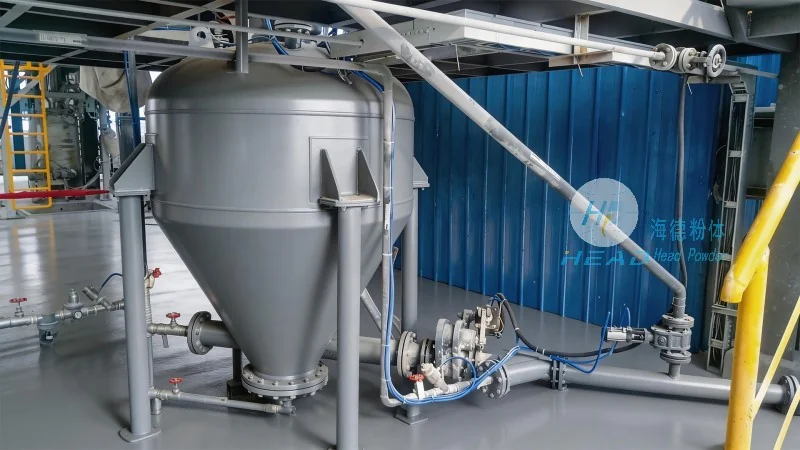
The system consists of several essential components, each designed to perform specific roles in the conveying process. The primary components include the feeding hopper, which stores and regulates the flow of coke powder; the conveyor mechanism, which transports the material through the system; and the control system, which monitors and adjusts operation based on real-time conditions. Each component is constructed from high-quality materials, such as stainless steel and wear-resistant alloys, to withstand the harsh conditions associated with coke powder handling.
Operation Process of the Conveying System
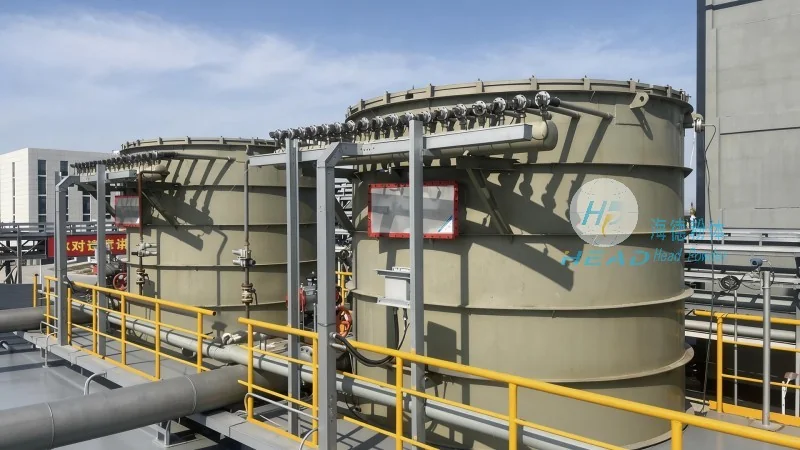
The operation of the metallurgical coke powder conveying system follows a systematic sequence to ensure smooth and continuous material transport. Initially, coke powder is fed into the hopper from a storage silo or raw material source. The feeding mechanism, typically a rotary valve or screw feeder, controls the rate of material discharge into the conveyor. The conveyor then transports the powder through a series of pipes or a belt system, depending on the system design. The material is moved under pressure or by mechanical force, ensuring minimal loss and consistent flow. At the discharge end, the powder is deposited into a receiving vessel or directly into the next processing stage. The control system continuously monitors parameters such as flow rate, pressure, and temperature, adjusting the operation to maintain optimal performance and prevent blockages or other issues.
Working Principle of the System
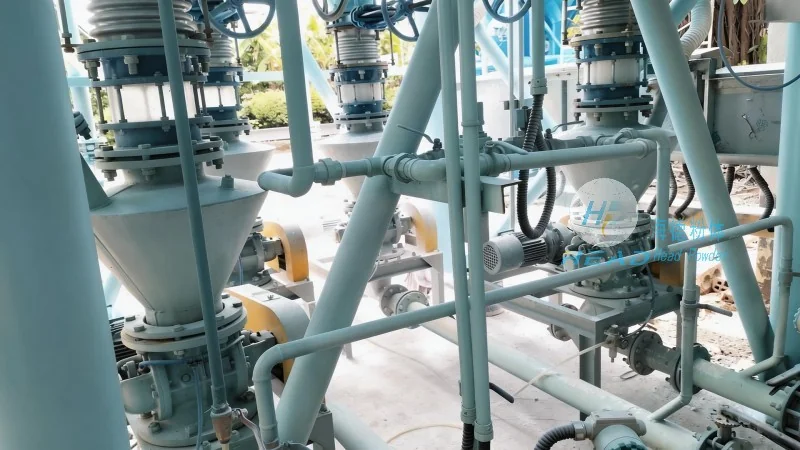
The working principle of the metallurgical coke powder conveying system is based on pneumatic transport and fluidization. In pneumatic conveying, the coke powder is suspended in a stream of air or gas, allowing it to be transported through the system with minimal friction. The system utilizes a combination of positive and negative pressure to move the material, ensuring efficient and low-loss transport. The positive pressure section, near the feeding hopper, creates an air stream that carries the powder forward, while the negative pressure section, near the discharge end, helps to draw the material and maintain a consistent flow. The control system adjusts the air pressure and flow rate to optimize the conveying process, ensuring that the material is transported at the desired speed and without excessive energy consumption.
Advantages of the HeadPowder Conveying System
Shandong HeadPowder Engineering Co., Ltd.'s metallurgical coke powder conveying system offers several advantages over traditional handling methods. The system is designed for high efficiency, with minimal material loss and consistent flow rates, which improves overall production throughput. The robust construction and use of wear-resistant materials ensure long service life and low maintenance costs. The system is also highly adaptable, capable of handling various particle sizes and compositions of coke powder, making it suitable for a wide range of industrial applications. Additionally, the integrated control system provides real-time monitoring and automation, reducing the need for manual intervention and enhancing operational safety.
Applications and Industries
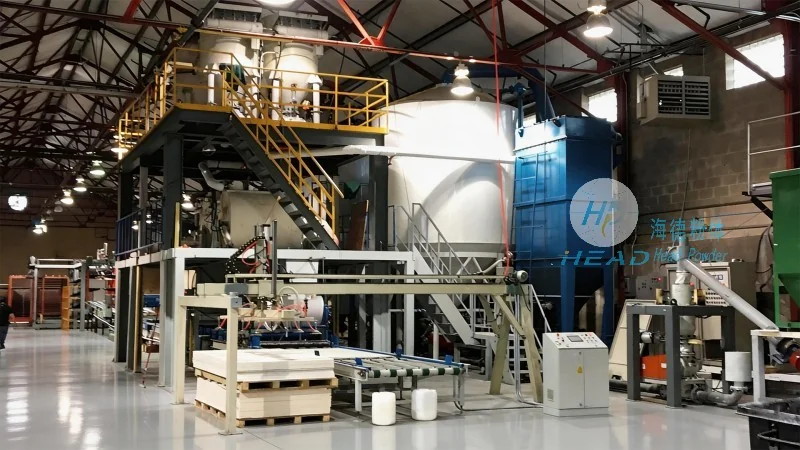
The metallurgical coke powder conveying system is widely used in the steel industry, particularly in blast furnaces and other high-temperature processes. It is also applicable in other industries that require handling of abrasive and high-temperature materials, such as foundries and chemical processing plants. The system's ability to handle large volumes of coke powder efficiently makes it an essential component in modern industrial operations, contributing to improved productivity and reduced operational costs.