

Operation Process and Working Principle of Sodium Phosphate Powder Conveying Machine
For industrial applications that require the efficient handling and transportation of sodium phosphate powders, specialized equipment such as the sodium phosphate powder conveying machine plays a crucial role. This equipment is designed to ensure reliable and safe material transport, supporting various production processes in chemical, food, and pharmaceutical industries. The following content will delve into the operation process and working principle of these machines, highlighting their key features and the technical aspects that contribute to their effectiveness.
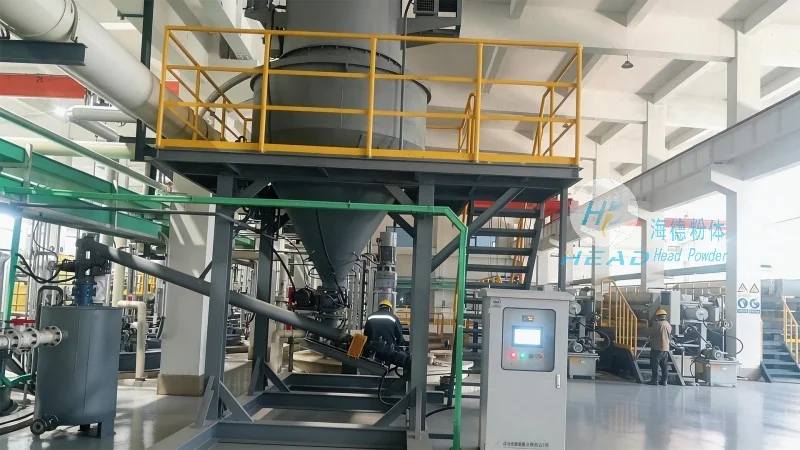
Overview of the Manufacturer: Shandong HeadPowder Engineering Co., Ltd.
HeadPowder, the professional manufacturer behind these advanced conveying systems, is based in Shandong, China. With years of experience in the engineering and manufacturing of powder handling equipment, the company specializes in developing solutions tailored to the unique needs of different industries. The sodium phosphate powder conveying machines are a testament to HeadPowder's commitment to quality, efficiency, and innovation in powder processing technology.
Key Components and Structure of the Conveying Machine
The sodium phosphate powder conveying machine typically consists of several critical components that work in tandem to achieve smooth material transport. These include a hopper for material storage, a screw or auger mechanism for conveying, a drive system to provide the necessary power, and control panels for operation and monitoring. The hopper is designed to hold a sufficient quantity of sodium phosphate powder, ensuring a continuous feed to the conveying system. The screw or auger, often made of corrosion-resistant materials suitable for handling powders, rotates to push the material forward through the conveyor tube. The drive system, usually an electric motor, converts electrical energy into mechanical energy to drive the screw. Control panels allow operators to adjust parameters such as speed, feed rate, and pressure, ensuring optimal performance and safety.
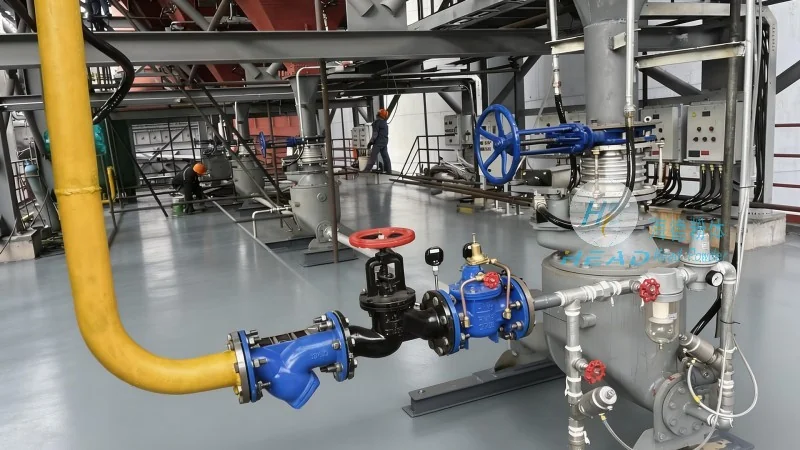
Operation Process of the Sodium Phosphate Powder Conveying Machine
The operation of the sodium phosphate powder conveying machine follows a systematic sequence to ensure efficient and safe material handling. The process begins with the loading of sodium phosphate powder into the hopper. As the powder accumulates, it is drawn into the screw or auger mechanism by gravity. The rotating screw then transports the powder through the conveyor tube, moving it from the inlet to the outlet. The speed of the screw is controlled by the drive system, which can be adjusted based on the required throughput. During operation, the machine continuously monitors parameters such as pressure and temperature to prevent overloading or overheating. The control panels provide real-time feedback to the operator, allowing for immediate adjustments if necessary. The entire process is designed to minimize material degradation, dust generation, and operational risks, making it suitable for various industrial applications.
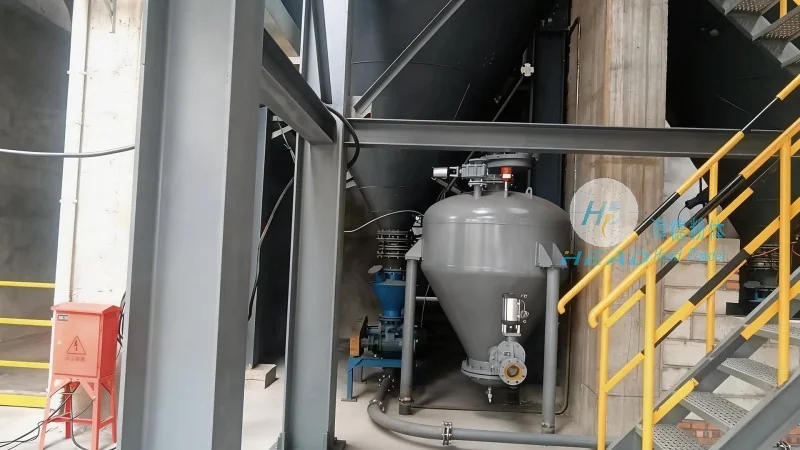
Working Principle of the Conveying Machine
The working principle of the sodium phosphate powder conveying machine is based on the mechanical action of a rotating screw or auger, which acts as a positive displacement pump for powders. When the screw rotates, it creates a series of pockets or chambers that move the powder forward. This mechanism ensures that the powder is conveyed without the need for air or other external forces, which can cause segregation or degradation of the material. The screw's design, including its pitch and diameter, is optimized to balance the conveying capacity and pressure drop. The hopper at the inlet maintains a consistent material level, ensuring a steady flow into the screw. The drive system provides the torque required to rotate the screw at the desired speed, while the control system regulates the speed to match the production requirements. The outlet of the conveyor discharges the powder into the next processing stage, completing the material transport cycle.
Advantages and Applications of the Sodium Phosphate Powder Conveying Machine
The sodium phosphate powder conveying machine offers several advantages that make it an ideal choice for handling sodium phosphate powders. These include high efficiency in material transport, minimal material degradation due to gentle handling, and low maintenance requirements. The machine is also designed for easy cleaning and maintenance, which is crucial for industries where hygiene and product purity are essential. Additionally, the machine can be customized to meet specific operational requirements, such as varying throughput or material characteristics. Applications of this equipment include chemical processing, food production, pharmaceutical manufacturing, and other industries where sodium phosphate is used as an ingredient or raw material. The reliability and performance of the machine ensure consistent production quality and reduced downtime, contributing to overall operational efficiency.