Mineral sand pneumatic conveying is a critical technology in the material handling industry, designed to transport bulk materials like mineral sands through a pipeline using air pressure. This method offers significant advantages over traditional mechanical conveying systems, including reduced equipment wear, lower maintenance costs, and the ability to handle materials that are difficult to transport by other means. The process involves several key components that work in tandem to ensure efficient and reliable material transport.
Key Components of Pneumatic Conveying Systems
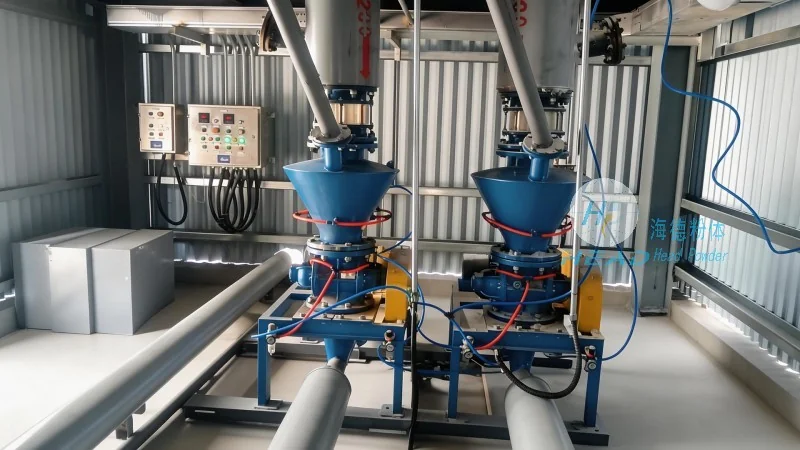
The core structure of a pneumatic conveying system for mineral sands typically includes a few essential elements. First, a material feed hopper is used to store and feed the mineral sand into the system. This hopper is equipped with a feeder mechanism, such as a rotary valve or a screw feeder, which controls the flow rate of the material into the pipeline. The feeder ensures a consistent and controlled input of the mineral sand, preventing blockages and maintaining system efficiency.
Next, the conveying pipeline itself is a crucial component. It is usually made of durable materials like stainless steel or PVC to withstand the abrasive nature of mineral sands and the pressure of the conveying air. The pipeline is designed with appropriate bends and fittings to guide the material along the desired path, minimizing friction and energy loss. In some systems, additional components like expansion joints or flexible connectors are used to accommodate thermal expansion and reduce stress on the pipeline.
Working Principle of Pneumatic Conveying
The operation of a pneumatic conveying system for mineral sands relies on the principle of air movement to transport the material. There are two main types of pneumatic conveying: dilute-phase and dense-phase. Dilute-phase systems use high-velocity air to suspend the mineral sand particles in the air stream, allowing them to travel through the pipeline. Dense-phase systems, on the other hand, use lower air velocities and higher material concentrations, which results in a more compact flow of material and air.
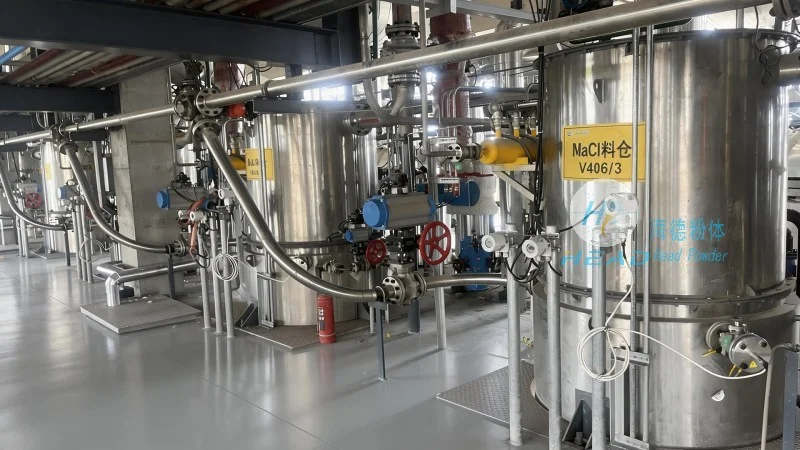
In a typical dilute-phase system, the material is introduced into the pipeline at a high velocity, creating a suspension of sand particles in the air. The air pressure is maintained at a level sufficient to overcome the gravitational and frictional forces acting on the material, ensuring it moves through the pipeline to the discharge point. The discharge point is usually equipped with a separator or a cyclone to separate the mineral sand from the air stream, allowing the sand to be collected in a receiving hopper.
Advantages of Pneumatic Conveying for Mineral Sands
There are several advantages that make pneumatic conveying an ideal choice for transporting mineral sands. First, it eliminates the need for mechanical components like conveyor belts or buckets, which reduces the risk of material contamination and equipment wear. This is particularly important for mineral sands, which may contain valuable or sensitive components that need to be handled with care.
Second, pneumatic conveying systems are highly flexible and can be easily adapted to different production layouts. They can be installed in various configurations, including vertical, horizontal, or a combination of both, to suit the specific needs of the facility. This flexibility allows for efficient use of space and easy integration with existing equipment.
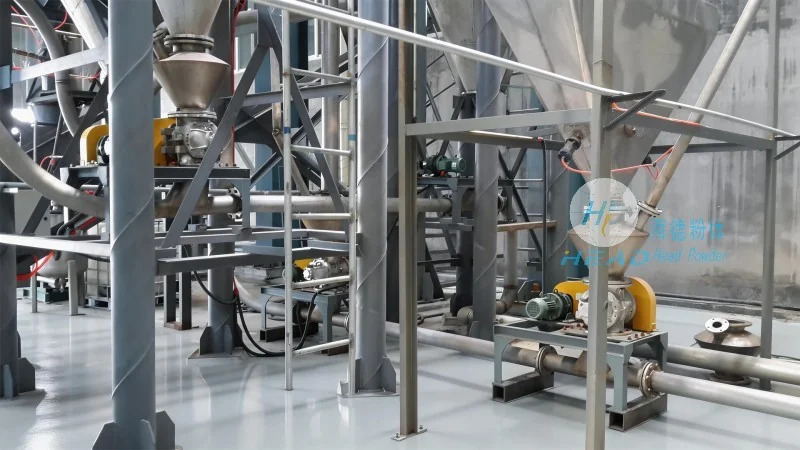
Third, the process is energy-efficient compared to other conveying methods. By using air pressure to move the material, the system can achieve high transport rates with relatively low energy consumption. This results in lower operating costs and reduced environmental impact.
Applications in the Mineral Industry
Mineral sand pneumatic conveying is widely used in various applications within the mineral industry. One common application is in the processing of sand for glass manufacturing, where the sand needs to be transported from storage facilities to the production line. The system can handle large volumes of sand efficiently and with minimal disruption to the production process.
Another application is in the mining industry, where mineral sands are extracted from deposits and transported to processing plants. Pneumatic conveying systems are used to move the sand from the mine to the processing facility, often over long distances. This method is particularly useful in areas where ground transportation is difficult or impractical.
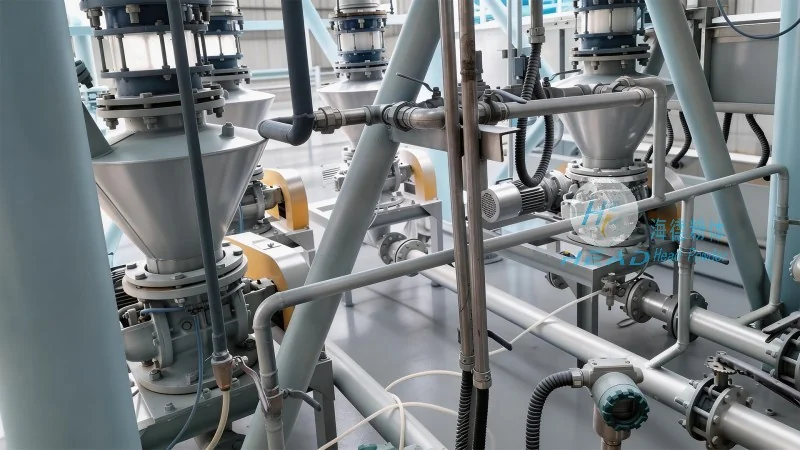
In addition, pneumatic conveying is used in the production of building materials, such as concrete and asphalt, where mineral sands are used as aggregates. The system ensures that the sand is delivered to the mixing plant in a consistent and controlled manner, improving the quality of the final product.
Conclusion
Mineral sand pneumatic conveying is a sophisticated and efficient method for transporting bulk materials. The structure and working principles of these systems are designed to maximize performance and reliability, making them a preferred choice in the mineral industry. By understanding the key components and operational principles, businesses can effectively implement and maintain pneumatic conveying systems to enhance their material handling capabilities.
Shandong HeadPowder Engineering Co., Ltd., a leading provider in this field, specializes in the design, manufacturing, and installation of pneumatic conveying systems tailored to the specific needs of mineral sand processing. With a focus on quality and innovation, the company ensures that its systems meet the highest standards of performance and durability. HeadPowder's expertise in mineral sand handling has helped numerous clients improve their operational efficiency and reduce costs, making it a trusted partner in the industry.




