

Operation Process and Working Principle of Fiber Reinforced Powder Pneumatic Conveying Machine
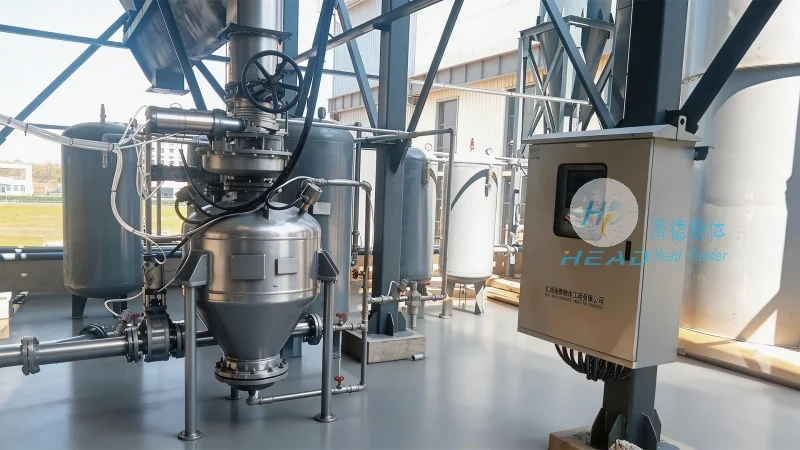
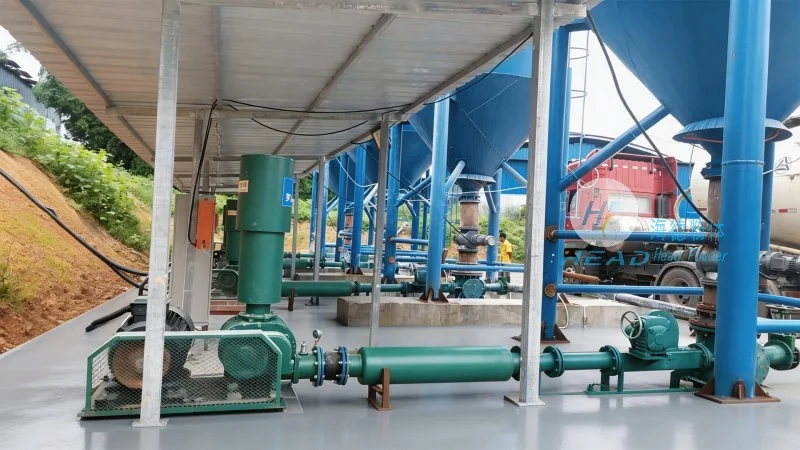
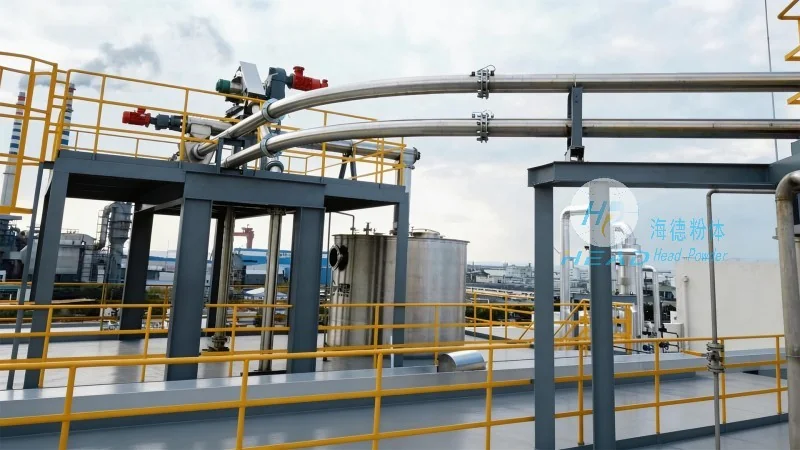
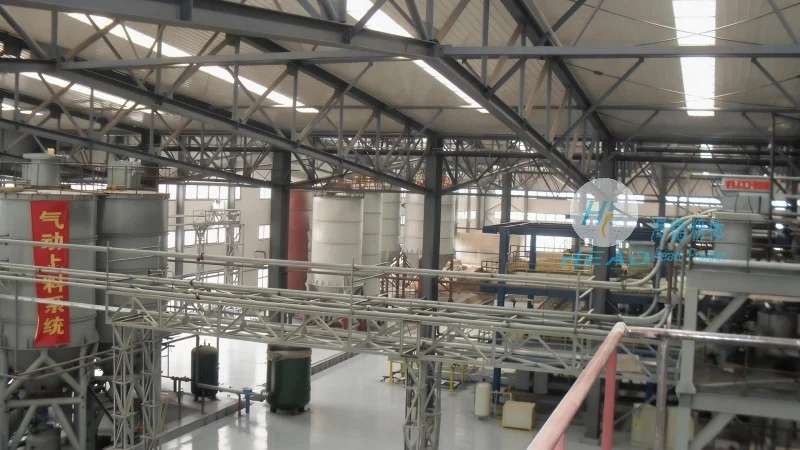
The fiber reinforced powder pneumatic conveying machine operates based on the principle of pneumatic transport, where solid particles are conveyed through a pipeline using air or other gas as the medium. The system typically consists of a feeding device, a conveying pipeline, a separation and collection system, and a pressure control unit. The core mechanism involves creating a pressure differential within the pipeline; by injecting air or gas at a certain pressure, the powder particles are suspended and transported along the pipeline. The material is fed into the conveying pipeline from the feeding hopper, and the air flow generated by the blower provides the necessary kinetic energy to move the powder. The design incorporates special materials and structures to ensure stable conveying, especially for fibrous or abrasive powders, which are prone to blockage or wear in traditional systems. The blower unit generates a high-pressure air stream that creates a pressure differential, enabling the powder to be drawn into the air flow. The material is fed from the hopper into the pipeline, and the air flow ensures that the particles are uniformly mixed with the gas, forming a stable suspension. The pipeline is constructed with materials resistant to wear and corrosion, such as stainless steel or special alloys, to withstand the abrasive nature of the conveyed powders. Additionally, the system includes a control panel with sensors to monitor pressure, flow rate, and material level, allowing for real-time adjustments to maintain optimal operation.
Operation Process of the Machine
The operation process of the fiber reinforced powder pneumatic conveying machine involves several key steps. First, the raw powder is loaded into the feeding hopper, which is equipped with a material level indicator to monitor the feed volume. The feeding device then gradually releases the powder into the conveying pipeline. Simultaneously, the blower starts to operate, generating a high-pressure air stream that flows through the pipeline. The air stream creates a negative pressure zone downstream of the feeding point, which draws the powder particles into the air flow, forming a dense or dilute phase mixture depending on the operating conditions. The mixture travels through the pipeline to the receiving hopper or the final destination. At the receiving end, a separation system, such as a cyclone or a bag filter, is used to separate the powder from the air. The separated powder is collected in the receiving container, while the air is either recycled back to the blower or discharged to the atmosphere after filtration. The system also includes pressure sensors and control valves to regulate the air flow and pressure, ensuring stable operation and preventing overloading or blockage. The feeding rate and air pressure can be adjusted based on the material characteristics and conveying distance to achieve efficient transport.
Company Information
Shandong HeadPowder Engineering Co., Ltd., operating under the brand name headpowder, specializes in the design, manufacturing, and supply of advanced pneumatic conveying equipment. The company is headquartered in Shandong, China, with a focus on providing customized solutions for various powder handling applications. Their fiber reinforced powder pneumatic conveying machines are engineered to handle a wide range of materials, including those with high abrasiveness or fibrous content, ensuring reliable and efficient transport. The company adheres to international quality standards and offers technical support and after-sales service to meet the diverse needs of clients in industries such as chemical, food, and pharmaceuticals. The company’s expertise in material handling technology allows them to deliver equipment that enhances productivity, reduces downtime, and ensures safe operation in industrial environments. With a commitment to innovation and customer satisfaction, headpowder continues to develop advanced solutions that meet the evolving demands of the powder processing industry.