HeadPowder, a leading manufacturer based in Shandong, China, specializes in the design and production of advanced pneumatic conveying systems for various powder materials, including gelatin. This article provides a detailed overview of the operation process and working principle of a gelatin powder pneumatic conveying machine, highlighting the key components, operational steps, and technical aspects that ensure efficient and reliable material handling.
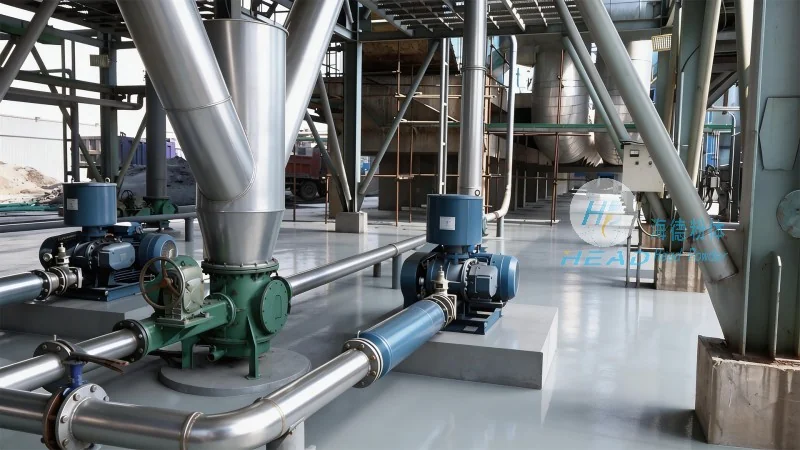
Overview of Gelatin Powder Pneumatic Conveying Systems
Gelatin powder, widely used in food, pharmaceutical, and industrial applications, requires specialized handling equipment to maintain product integrity and ensure safe transport. Pneumatic conveying machines offer a solution by utilizing air pressure to move powder through a closed system, minimizing product contamination and preventing dust dispersion. The system typically consists of several critical components that work in tandem to achieve effective material transfer.
Key Components of the Pneumatic Conveying Machine
The gelatin powder pneumatic conveying machine from Shandong HeadPowder Engineering Co., Ltd. incorporates a range of essential components, each playing a vital role in the overall operation. These include:
1. Feeding Device: This component is responsible for introducing the gelatin powder into the conveying system. It may feature a hopper with a metering valve or a rotary valve to control the flow rate, ensuring consistent and controlled feeding. The design minimizes product degradation and prevents blockages, which is crucial for maintaining the quality of sensitive gelatin powders.
2. Pneumatic Conveying Pipeline: The pipeline serves as the main pathway for transporting the gelatin powder. It is constructed from materials such as stainless steel or food-grade plastic to ensure compatibility with gelatin and prevent contamination. The pipeline is typically equipped with bends, elbows, and straight sections to guide the powder along the desired route, with smooth transitions to maintain flow efficiency.
3. Air Source System: Comprised of a blower or compressor, the air source system generates the necessary air pressure to move the gelatin powder through the pipeline. The system is designed to provide consistent airflow and pressure, which directly impacts the conveying capacity and efficiency. Proper air filtration and moisture control are also incorporated to protect the gelatin powder from moisture absorption and contamination.
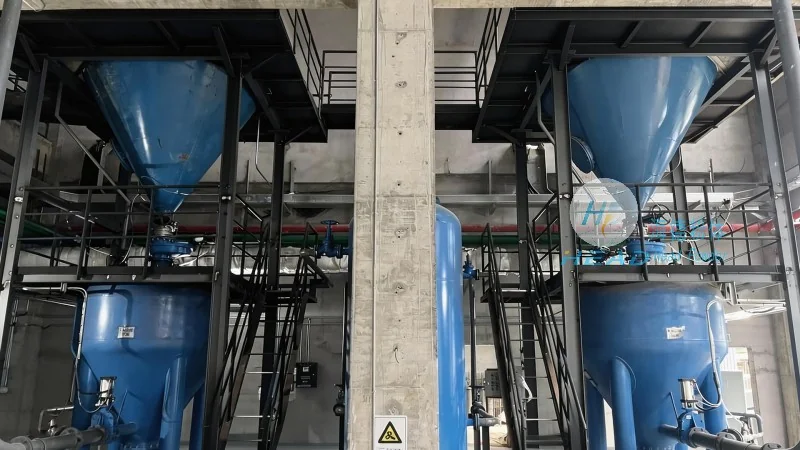
4. Separation and Discharge Unit: At the receiving end of the pipeline, the separation unit separates the gelatin powder from the air stream. This may involve a cyclone separator or a bag filter, which captures the powder and allows the air to be discharged back into the system or vented to the atmosphere. The design ensures high separation efficiency, minimizing product loss and maintaining product purity.
Working Principle of the Pneumatic Conveying Machine
The operation of the gelatin powder pneumatic conveying machine is based on the principle of air pressure and fluid dynamics. When the system is activated, the air source generates a high-pressure air stream that enters the pipeline. The feeding device then introduces the gelatin powder into the air stream, creating a mixture of powder and air. This mixture is then propelled through the pipeline by the air pressure, moving the powder from the feeding point to the discharge point.
The air stream provides the necessary momentum to carry the gelatin powder, while the pipeline design ensures that the powder remains suspended and moves efficiently. The separation unit at the end of the pipeline uses centrifugal force or filtration to separate the powder from the air, allowing the powder to be collected in a designated container. The air, now free of powder, is either recirculated back into the system or vented, depending on the system configuration.
Operation Process of the Gelatin Powder Pneumatic Conveying Machine
The operation process of the gelatin powder pneumatic conveying machine involves several sequential steps, each critical to ensuring smooth and efficient material transfer. The following is a step-by-step breakdown of the typical operation:
1. System Preparation and Startup: Before initiating the operation, the system is prepared by checking the air source pressure, ensuring the feeding hopper is filled with gelatin powder, and verifying that all components are properly connected and functional. The air source is then started, and the system is allowed to reach stable operating pressure.
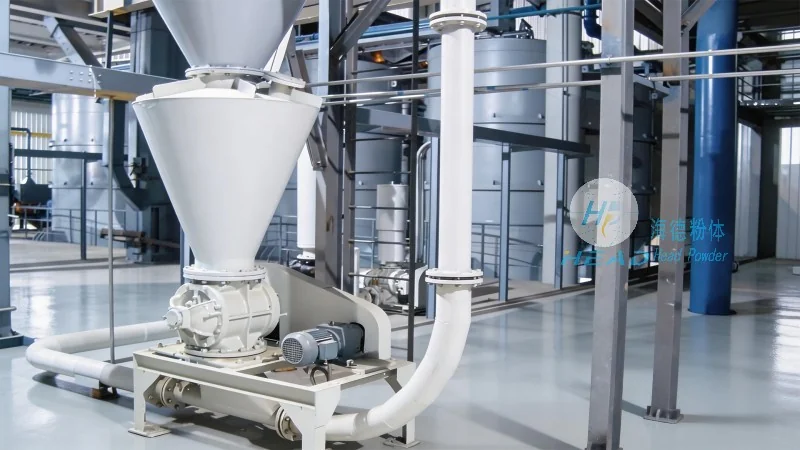
2. Feeding and Conveying: Once the system is ready, the feeding device is activated to introduce the gelatin powder into the air stream. The powder is mixed with the air and propelled through the pipeline at a controlled speed. The conveying speed is adjusted based on the powder characteristics, pipeline length, and desired throughput, ensuring optimal performance without causing excessive pressure drops or product degradation.
3. Separation and Discharge: At the receiving end, the separation unit captures the gelatin powder from the air stream. The powder is collected in a discharge hopper or container, while the air is either filtered and recirculated or vented. The separation efficiency is monitored to ensure that minimal product is lost and that the air stream remains clean.
4. System Shutdown and Maintenance: After the conveying operation is complete, the system is shut down in a controlled manner. The air source is turned off, and the pipeline is depressurized to prevent residual powder from being released. Regular maintenance, such as cleaning the separation unit, checking for air leaks, and inspecting the feeding device, is performed to ensure the system continues to operate efficiently and maintain product quality.
Advantages of Using a Gelatin Powder Pneumatic Conveying Machine
The use of a pneumatic conveying machine for gelatin powder offers several advantages over traditional methods, such as bucket elevators or belt conveyors. These benefits include:
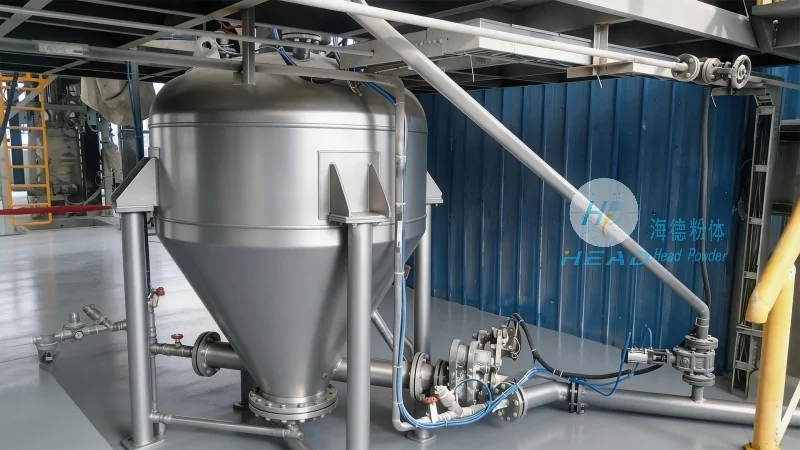
1. Minimal Product Contamination: The closed system design prevents exposure to external contaminants, ensuring the gelatin powder remains pure and meets quality standards for food and pharmaceutical applications.
2. Efficient and Compact: Pneumatic conveying systems are typically more compact than other bulk material handling solutions, saving space in production facilities and reducing installation costs.
3. Reduced Dust and Noise: The enclosed pipeline and controlled air flow minimize dust dispersion and noise levels, creating a safer and more comfortable working environment.
4. Flexible and Scalable: The system can be easily adjusted to accommodate varying powder quantities and pipeline configurations, making it suitable for both small-scale and large-scale production needs.
Conclusion
Shandong HeadPowder Engineering Co., Ltd. provides advanced gelatin powder pneumatic conveying machines that combine efficient design with reliable performance. By understanding the operation process and working principle of these systems, users can effectively utilize them to handle gelatin powders with precision and care. The company's commitment to quality and innovation ensures that its pneumatic conveying solutions meet the demanding requirements of the gelatin industry, contributing to improved productivity and product quality.




