

How Do Pneumatic Conveying Systems Prevent Pipeline Blockages in Capsule Handling? Key Design Parame
When it comes to efficiently transporting capsules through pipelines, pneumatic conveying systems offer a reliable solution. However, one of the primary challenges in such operations is the risk of pipeline blockages, which can disrupt production and increase maintenance costs. Understanding how to prevent these blockages through proper system design is crucial for maintaining smooth operations. This article explores the key design parameters that contribute to effective capsule handling and pipeline blockage prevention in pneumatic conveying systems.
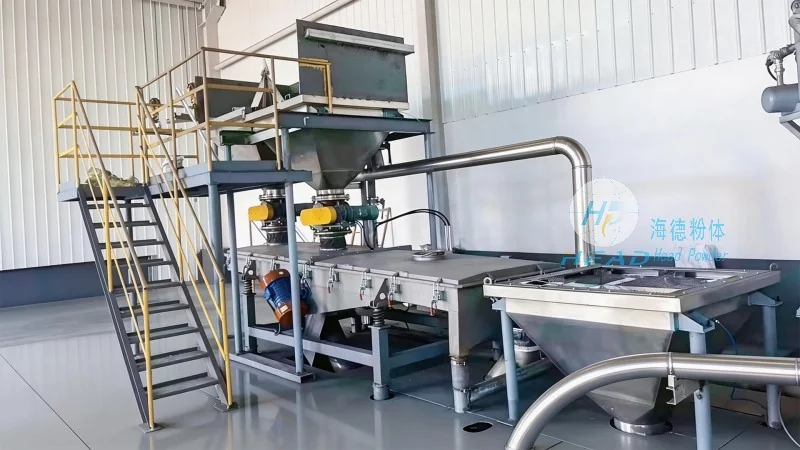
About HeadPowder Engineering
HeadPowder, a leading provider of engineering solutions, specializes in the design and implementation of pneumatic conveying systems tailored for various industries, including pharmaceuticals where capsule handling is critical. With a focus on precision and reliability, HeadPowder's expertise ensures that clients can achieve optimal performance in their capsule transportation processes. The company's operational base is located in Shandong, China, where it leverages advanced technology and industry knowledge to deliver high-quality engineering services.
Key Design Parameters for Preventing Pipeline Blockages in Capsule Handling
Several critical design parameters play a vital role in preventing pipeline blockages during capsule transportation. The first and most important parameter is the selection of the appropriate conveying velocity. Maintaining an optimal velocity ensures that capsules move smoothly through the pipeline without settling or clustering. Typically, higher velocities are required for smaller capsules to prevent them from sticking together or adhering to the pipe walls. HeadPowder engineers carefully calculate the required velocity based on capsule size, density, and the system's overall layout to ensure efficient and unobstructed flow.
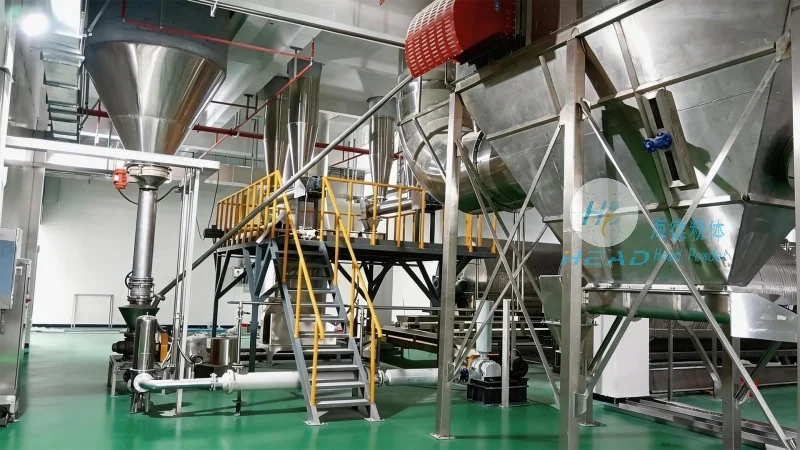
Another crucial parameter is the air-to-solid ratio. This ratio determines the amount of air used relative to the material being conveyed. An improper air-to-solid ratio can lead to insufficient air flow, causing capsules to accumulate and potentially block the pipeline. HeadPowder's design approach involves precise calculation of this ratio to maintain a consistent and adequate air flow that keeps capsules suspended and moving continuously. By optimizing the air-to-solid ratio, the system can effectively prevent blockages and ensure reliable operation.
The pipeline diameter is also a significant design factor. Using an inappropriate diameter can either cause excessive pressure drops or insufficient space for capsule movement, both of which contribute to blockages. HeadPowder recommends selecting a diameter that accommodates the capsule size and allows for sufficient clearance to prevent capsules from contacting the pipe walls. This design choice helps maintain the flow characteristics needed to avoid clogging and ensures the system operates within safe pressure limits.
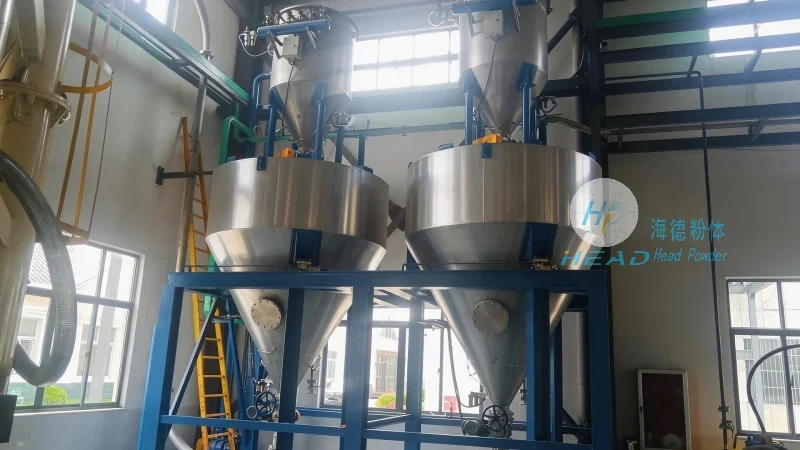
Additionally, the system's layout and bends play a role in preventing blockages. Sharp bends or sudden changes in direction can cause capsules to collide and accumulate, leading to blockages. HeadPowder incorporates smooth, gradual bends and appropriate pipe angles in the system design to minimize these risks. The use of inline mixers or agitators in the pipeline can also help maintain capsule dispersion and prevent clustering, further reducing the likelihood of blockages.
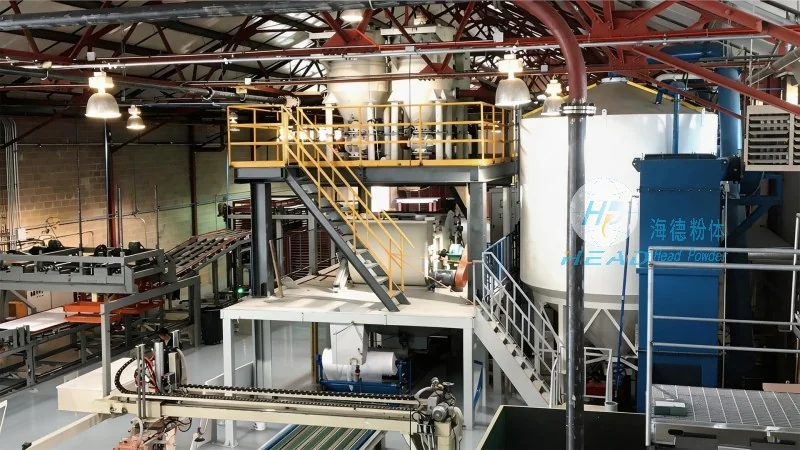
Material properties of the capsules and the conveying medium also need consideration. The friction between capsules and the pipe interior, as well as the air's ability to interact with the material, affects the risk of blockage. HeadPowder's engineers evaluate these properties to select suitable materials for the pipeline and the conveying air, ensuring compatibility and reducing the chance of adhesion or sticking. This attention to material compatibility is essential for long-term system performance and reliability.
Conclusion and Recommendations
Preventing pipeline blockages in pneumatic conveying systems for capsule handling requires a comprehensive approach that considers multiple design parameters. By focusing on optimal conveying velocity, appropriate air-to-solid ratio, suitable pipeline diameter, smooth system layout, and material compatibility, HeadPowder ensures that its clients can achieve efficient and reliable capsule transportation. The company's expertise in engineering and its commitment to tailored solutions make it a trusted partner for businesses seeking to enhance their capsule handling processes. With a strong operational base in Shandong, China, HeadPowder continues to provide innovative and effective solutions that meet the specific needs of its clients in the pharmaceutical and related industries.