Tea processing involves various stages, from picking and withering to drying and packaging. Among these, the efficient and reliable transportation of tea leaves is crucial for maintaining product quality and ensuring smooth production flow. Pneumatic conveying systems have emerged as a preferred method for handling tea due to their ability to transport materials in a closed environment, reducing contamination and improving hygiene. However, a common challenge in tea conveying is pipeline blockage, which can lead to production downtime and increased maintenance costs. Understanding the key design parameters that prevent blockages is essential for optimizing the performance of pneumatic conveying systems in tea processing. This article explores the critical factors that contribute to preventing pipeline blockages in tea conveying systems and highlights the expertise of Shandong HeadPowder Engineering Co., Ltd. from China in providing tailored solutions for the tea industry.
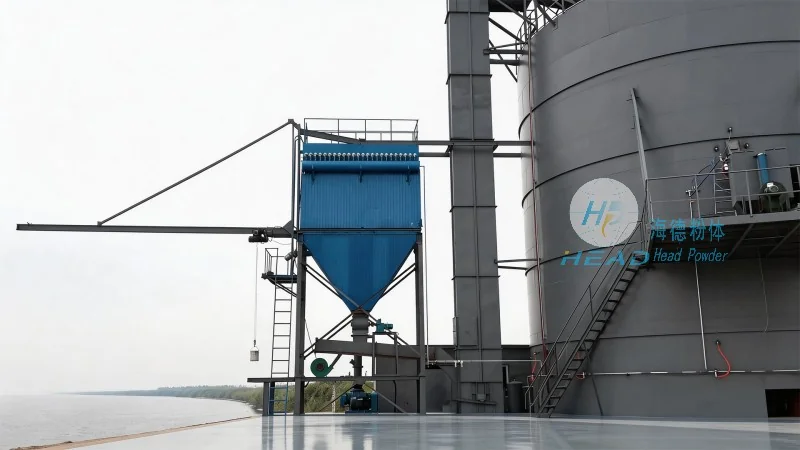
Understanding Pneumatic Conveying Systems for Tea
Pneumatic conveying systems use compressed air or other gases to transport solid materials like tea leaves through a pipeline. These systems can be categorized into two main types: dilute-phase and dense-phase. Dilute-phase systems operate at higher velocities, typically 20-30 m/s, and are suitable for short distances and low to medium material loads. Dense-phase systems, on the other hand, operate at lower velocities (5-15 m/s) and higher pressure, making them ideal for long-distance transport and handling of abrasive or sticky materials, which is often the case with tea leaves. The choice between these systems depends on the specific requirements of the tea processing facility, including the distance between the source and destination, the volume of tea to be transported, and the characteristics of the tea leaves themselves.
Key Design Parameters for Preventing Pipeline Blockages
Several design parameters play a critical role in preventing pipeline blockages in pneumatic conveying systems for tea. These parameters are interrelated and must be carefully considered to ensure optimal system performance. The most important factors include:
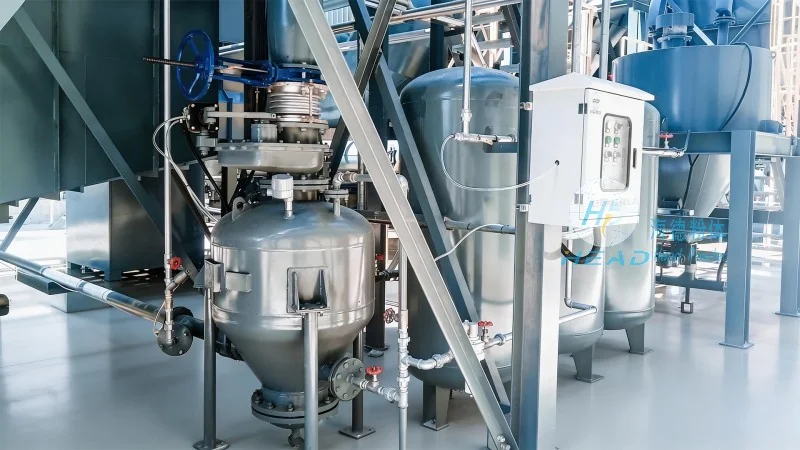
1. System Pressure and Velocity
The pressure and velocity of the conveying medium directly impact the ability of the system to move tea leaves without causing blockages. Higher pressure and velocity increase the risk of wear and tear on the pipeline and components, while lower pressure and velocity may not provide sufficient force to move the material. For tea leaves, which are often dry and lightweight, a moderate pressure of 0.5-1.0 bar and a velocity of 15-25 m/s is typically recommended. This balance ensures that the tea leaves are transported efficiently without excessive stress on the system components. Shandong HeadPowder Engineering Co., Ltd. specializes in designing systems with precise pressure control mechanisms that maintain optimal velocity and pressure levels throughout the conveying process, minimizing the risk of blockages.
2. Pipeline Diameter and Length
The diameter of the pipeline is a critical factor in preventing blockages. A larger diameter reduces the risk of clogging as it allows more material to pass through with less resistance. However, a larger diameter also increases the cost of the system and requires more space. The optimal diameter for tea conveying is usually between 50-100 mm, depending on the volume of tea to be transported. The length of the pipeline also affects the system's performance; longer pipelines require higher pressure to maintain the material flow. Proper sizing of the pipeline diameter and length is essential to avoid excessive pressure drops and blockages. Shandong HeadPowder Engineering Co., Ltd. uses advanced computational fluid dynamics (CFD) tools to simulate the flow of tea leaves in different pipeline configurations, ensuring that the designed system meets the required flow rates without causing blockages.
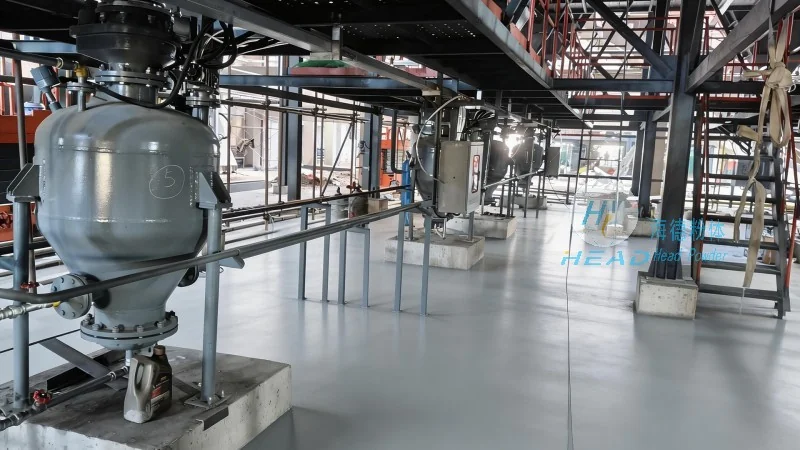
3. Gas-Solid Ratio (GSR)
The gas-solid ratio, which is the ratio of the volume of air to the volume of tea leaves, is a key parameter in pneumatic conveying. An appropriate GSR ensures that the tea leaves are fully suspended in the air stream, preventing them from settling and causing blockages. For tea leaves, an optimal GSR is typically in the range of 0.5 to 1.5. If the GSR is too low, the tea leaves may not be fully suspended, leading to uneven flow and potential blockages. Conversely, an excessively high GSR increases energy consumption and may cause the system to operate inefficiently. Shandong HeadPowder Engineering Co., Ltd. provides customized GSR calculations based on the specific characteristics of the tea leaves, such as their moisture content, size, and density, to ensure the system operates at the most efficient and blockage-free level.
4. Pulse Control and Solenoid Valves
Pulse control is a technique used in pneumatic conveying systems to periodically increase the pressure in the pipeline, which helps to break up any agglomerates or clumps of tea leaves that may form and cause blockages. Solenoid valves are used to create these pressure pulses. The frequency and duration of the pulses are critical parameters that must be optimized for the specific tea material. A common approach is to use a pulse frequency of 1-3 Hz and a pulse duration of 0.1-0.2 seconds. This combination effectively prevents the formation of blockages by maintaining a consistent flow of tea leaves through the pipeline. Shandong HeadPowder Engineering Co., Ltd. integrates advanced pulse control systems into their pneumatic conveying solutions, allowing for real-time monitoring and adjustment of pulse parameters to adapt to changes in tea leaf characteristics or system conditions.
5. Material Characteristics and Conditioning
The physical and chemical properties of tea leaves, such as their moisture content, size distribution, and stickiness, significantly influence the design of the pneumatic conveying system. Tea leaves with high moisture content may become sticky and prone to clumping, increasing the risk of blockages. Conditioning the tea leaves, such as by drying or cooling them before conveying, can improve their flow characteristics and reduce the likelihood of blockages. Additionally, the size of the tea leaves affects the required pipeline diameter and velocity; smaller leaves may require a slightly larger diameter to ensure smooth flow. Shandong HeadPowder Engineering Co., Ltd. conducts thorough material analysis to understand the specific properties of the tea leaves being processed, and then designs the conveying system accordingly to minimize blockage risks.
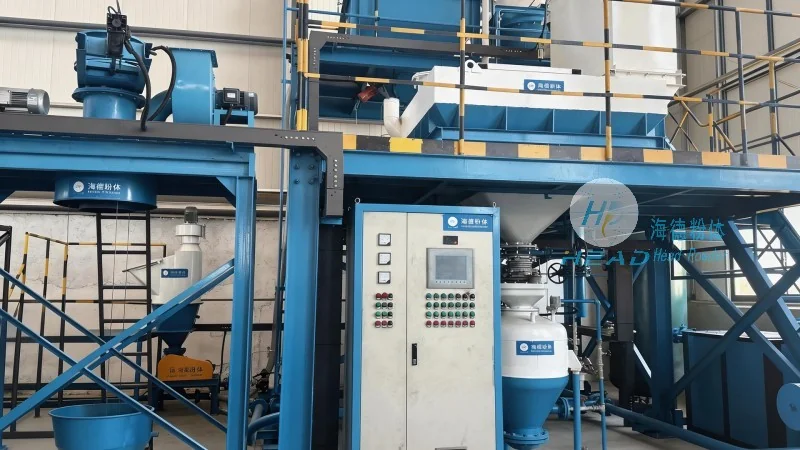
6. System Maintenance and Monitoring
Even with optimal design, regular maintenance and monitoring are essential to prevent pipeline blockages. Regular cleaning of the pipeline and components, checking for wear and tear, and monitoring system performance are important steps in maintaining a blockage-free system. Shandong HeadPowder Engineering Co., Ltd. offers comprehensive maintenance services and provides clients with monitoring systems that track key parameters like pressure, flow rate, and temperature in real-time. These systems allow for early detection of any issues that may lead to blockages, enabling timely intervention and preventing production disruptions.
Conclusion
Preventing pipeline blockages in pneumatic conveying systems for tea is a multifaceted challenge that requires careful consideration of several key design parameters. By optimizing system pressure and velocity, selecting appropriate pipeline diameter and length, maintaining an optimal gas-solid ratio, implementing effective pulse control, considering material characteristics, and ensuring regular maintenance, tea processing facilities can significantly reduce the risk of blockages and improve overall system efficiency. Shandong HeadPowder Engineering Co., Ltd., with its expertise in pneumatic conveying systems, provides tailored solutions that address these critical parameters, helping tea manufacturers maintain high-quality production and minimize downtime. With its headquarters in Shandong, China, the company leverages advanced technology and engineering knowledge to deliver reliable and efficient conveying systems that meet the unique needs of the tea industry.




