

Working Principle and Features of Oat Powder Conveying
HeadPowder, a leading provider in the field of powder handling technology, specializes in the design and implementation of efficient oat powder conveying systems. These systems are engineered to meet the specific demands of the oat processing industry, ensuring reliable and consistent material transport from raw material storage to processing lines. The company, based in Shandong, China, leverages years of expertise to deliver solutions that enhance operational efficiency and product quality in oat handling applications.
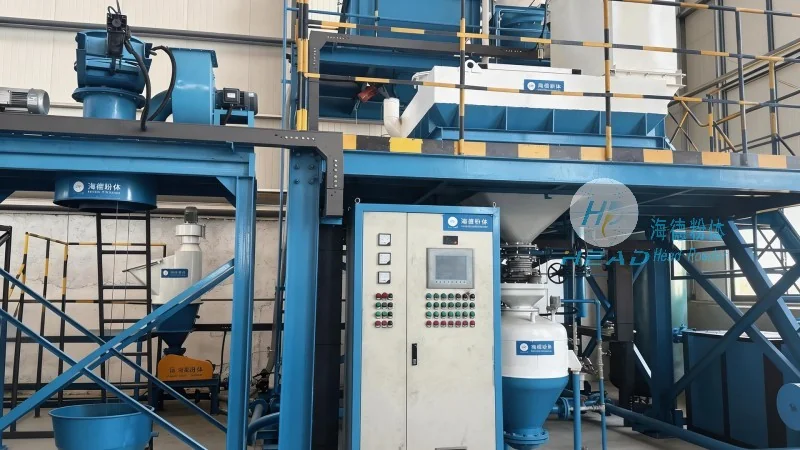
Working Principle of Oat Powder Conveying Systems
The core of an oat powder conveying system involves the use of advanced pneumatic or mechanical components to transport loose oat powder. HeadPowder's systems typically employ a combination of air pressure and specialized ductwork to move the powder. The process begins with the powder being fed into a hopper or storage bin. From there, the powder is drawn into the conveying line using a vacuum or pressure differential. The system may incorporate components such as rotary valves, airlocks, and filter bags to control the flow and prevent material buildup. The conveying mechanism ensures that the oat powder is transported smoothly and without degradation, maintaining its quality throughout the process. This method of conveying is particularly effective for handling fine or cohesive powders like oat flour, as it minimizes product contamination and ensures consistent flow rates. The technology behind these systems is continuously refined to optimize performance and adapt to varying processing needs, including different particle sizes and moisture content.
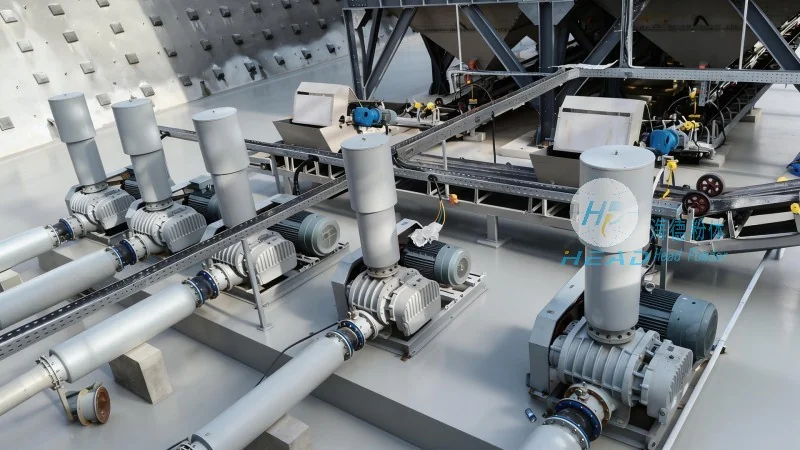
Key Features of Oat Powder Conveying Systems
HeadPowder's oat powder conveying systems are distinguished by several key features that set them apart in the industry. Firstly, the systems are designed for high efficiency, with minimal energy consumption while maintaining optimal conveying rates. The use of advanced materials and engineering ensures durability and long service life, reducing maintenance costs over time. Another notable feature is the system's ability to handle varying particle sizes and moisture content, making it versatile for different oat processing stages. The design also incorporates safety features, such as explosion-proof components and dust collection systems, to comply with industrial safety standards. Additionally, the systems are equipped with monitoring and control interfaces, allowing operators to adjust parameters in real-time for precise material management. These features collectively contribute to improved productivity and reduced operational downtime in oat processing facilities.
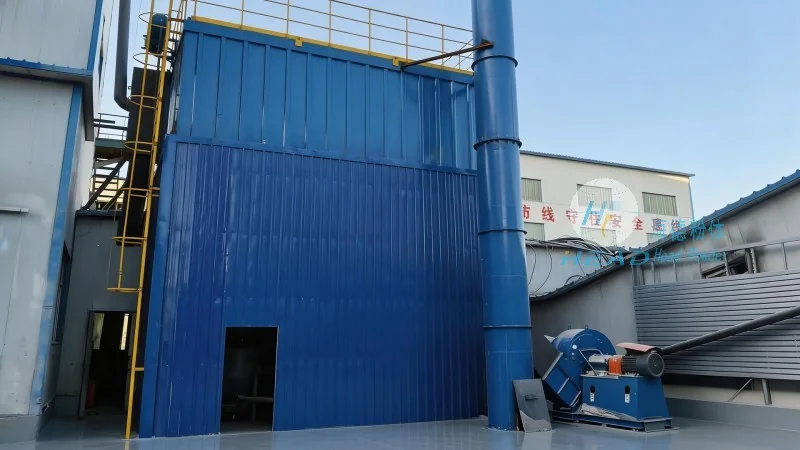
Benefits of Implementing Oat Powder Conveying Systems
Adopting an oat powder conveying system from HeadPowder offers numerous benefits for businesses in the oat processing sector. The primary advantage is the significant improvement in operational efficiency, as the automated system reduces manual labor and minimizes material handling errors. The consistent flow of powder ensures that processing lines operate at optimal capacity, leading to increased output and reduced production delays. Furthermore, the system's ability to maintain product quality is crucial, as it prevents contamination and preserves the nutritional and sensory attributes of the oat powder. This is particularly important for applications such as oat flour production, where product quality directly impacts market value. The durability and low maintenance requirements of HeadPowder's systems also contribute to long-term cost savings, making them a financially viable investment for processing facilities. By integrating these systems, companies can achieve a competitive edge through enhanced productivity and product consistency.