

[WOKING PRINCIPLE AND CHARACTERISTICS OF CEMENT POWDER CONVEYING]
For industrial applications, efficient and reliable transport of cement powder is crucial for maintaining production efficiency and product quality. The process of cement powder conveying involves specialized equipment and techniques designed to handle the unique properties of cement, such as its fine particle size, high density, and potential for dust generation. Understanding the working principle and key characteristics of cement powder conveying systems is essential for selecting the right technology for specific industrial needs. Shandong HeadPowder Engineering Co., Ltd., a leading provider of industrial conveying solutions, specializes in designing and manufacturing systems tailored to the demands of cement powder transport.
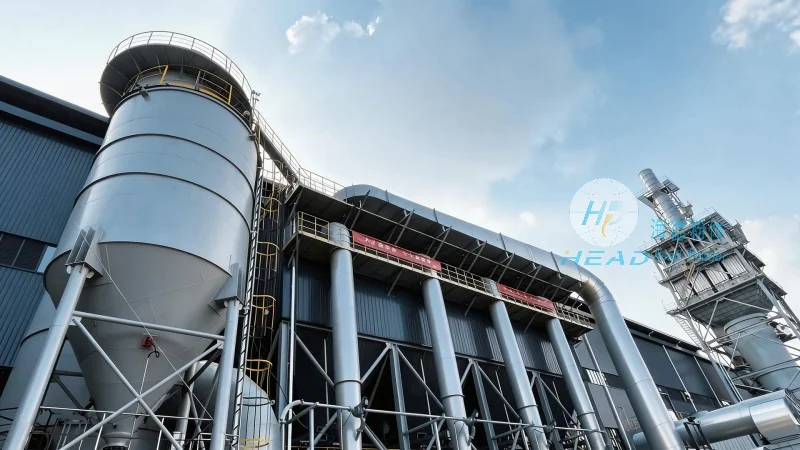
Working Principle of Cement Powder Conveying
The core of cement powder conveying systems lies in the use of pneumatic or mechanical methods to transport dry powder materials. In pneumatic conveying, air is used as the medium to move the cement particles through a pipeline. The system typically consists of a hopper for material storage, a feeder to control the flow rate, a conveying line, and a receiver for the discharged material. The air flow is generated by a blower or fan, creating a pressure differential that propels the cement particles forward. This method is particularly effective for long-distance and high-volume transport, as it can handle large quantities of material with minimal maintenance. On the other hand, mechanical conveying systems utilize physical components like screws, belts, or buckets to move the cement powder. Screw conveyors, for example, use rotating screws to push the material along a trough, while bucket elevators lift and transport the material vertically. These systems are often preferred for short-distance or vertical transport, as they provide more control over the material flow and are less susceptible to clogging compared to pneumatic systems. The choice between pneumatic and mechanical conveying depends on factors such as the distance to be covered, the volume of material, and the required level of dust control.
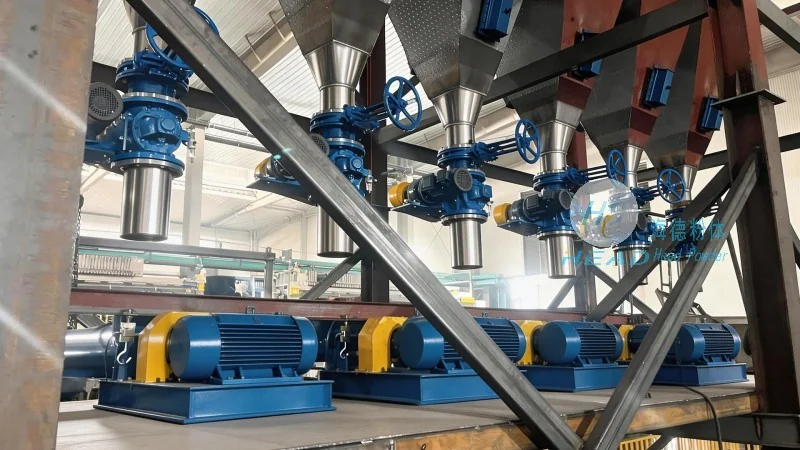
Key Characteristics of Cement Powder Conveying
Several key characteristics define the performance and suitability of cement powder conveying systems. One of the most important is the ability to handle fine particles without causing excessive wear or blockages. Cement particles are typically in the range of 10 to 100 microns, which can easily clog conventional conveying equipment. Advanced systems incorporate features like self-cleaning mechanisms, flexible hoses, and specialized hopper designs to mitigate these issues. Additionally, the systems must maintain a low level of dust generation to comply with environmental regulations and ensure worker safety. Dust suppression techniques, such as using sealed enclosures and filtration systems, are commonly employed to minimize airborne particles. Another critical characteristic is the energy efficiency of the conveying system. Pneumatic systems, while effective for long distances, can consume significant amounts of energy due to the continuous operation of blowers. Mechanical systems, on the other hand, often require less energy but may have higher initial costs and maintenance requirements. The selection of the most energy-efficient system depends on the specific operational conditions and the volume of material being transported. Furthermore, the system must be designed to handle variations in material consistency, such as changes in moisture content or particle size distribution, without compromising performance.
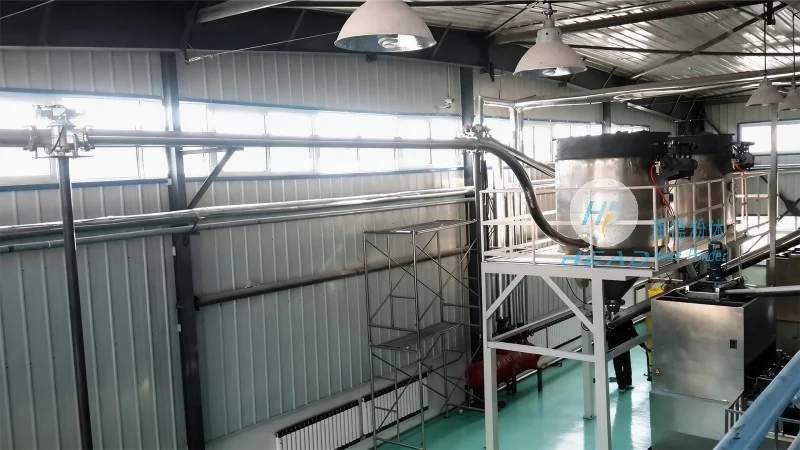
Applications and Industrial Use Cases
Cement powder conveying systems are widely used in various industrial sectors, including cement manufacturing, construction, and chemical processing. In cement plants, these systems are essential for transporting raw materials to the grinding mills and finished cement to storage silos. The ability to handle large volumes of material efficiently ensures that production lines operate smoothly and without interruptions. In the construction industry, cement powder is conveyed to mixing plants and job sites, where it is used to produce concrete and mortar. The reliability of the conveying system directly impacts the quality and consistency of the final construction materials. Additionally, in chemical processing facilities, cement powder is used as a raw material in the production of various products, and efficient conveying ensures a steady supply of material to the processing units. The performance of cement powder conveying systems directly affects the overall productivity and cost-effectiveness of industrial operations. A well-designed system can reduce downtime, minimize material loss, and improve safety in the workplace. For example, in a cement plant, a clogged conveying line can lead to production delays and increased maintenance costs. By selecting a system with appropriate features, such as anti-clogging mechanisms and robust construction, industrial facilities can minimize these issues and maintain optimal performance. The use of advanced materials and engineering designs has also improved the durability and longevity of cement powder conveying equipment, reducing the need for frequent replacements and repairs.