

Graphite Powder Conveying: Working Principle and Key Features
Graphite powder conveying is a critical process in various industrial applications, particularly in the manufacturing and processing of graphite materials. Understanding the working principle and key characteristics of this system is essential for optimizing production efficiency and ensuring safe operation. This article provides a detailed overview of how graphite powder conveying systems operate and the advantages they offer.
Working Principle of Graphite Powder Conveying Systems
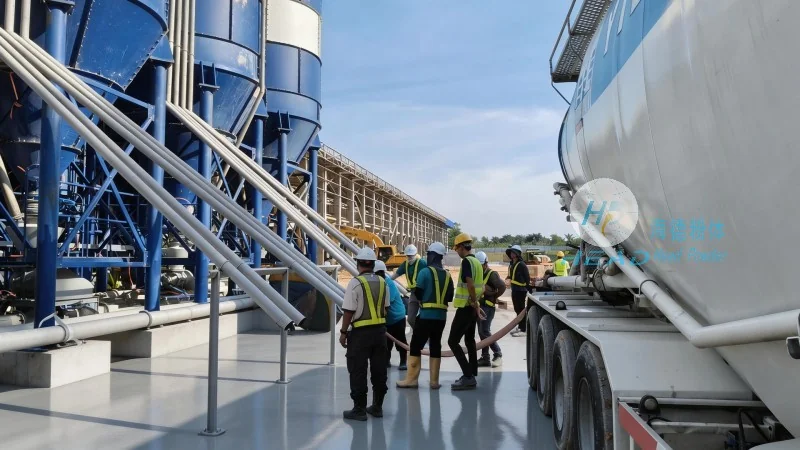
Graphite powder conveying systems typically consist of several interconnected components that work in tandem to transport graphite powder from a source to a destination. The core components include a feeding device, a conveying medium (such as air or a fluid), and a control unit. The process begins with the graphite powder being fed into the system, often through a hopper or a feeder that ensures a consistent flow rate. The feeding device then transfers the powder into a conveying line, where it is propelled by the moving medium. The control unit monitors and adjusts the system parameters to maintain optimal performance, such as flow rate and pressure.
There are two primary methods of graphite powder conveying: pneumatic conveying and mechanical conveying. Pneumatic conveying uses compressed air or other gases to transport the powder through a pipeline. This method is suitable for short to medium distances and is commonly used in applications where the powder is light and non-abrasive. Mechanical conveying, on the other hand, employs mechanical components like screws, belts, or buckets to move the powder. This method is ideal for longer distances and for handling bulk quantities of graphite powder.
Key Characteristics and Advantages of Graphite Powder Conveying
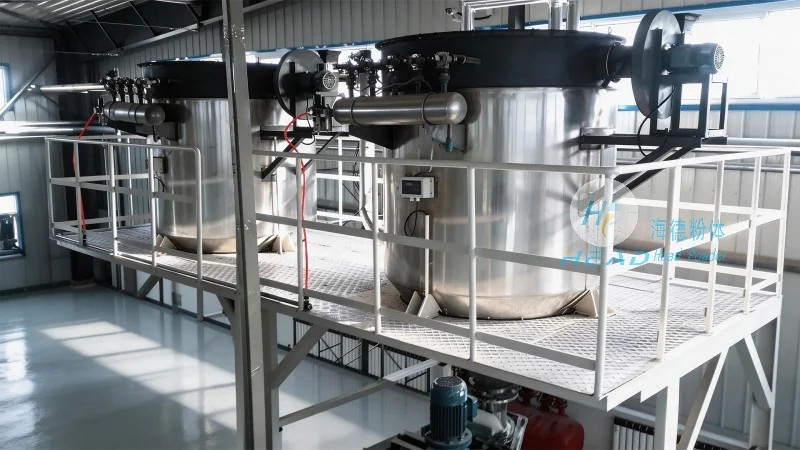
Graphite powder conveying systems offer several advantages that make them a preferred choice in industrial settings. One of the most significant advantages is their ability to handle fine and abrasive materials without causing damage to the equipment. Graphite powder is known for its soft and slippery nature, which can be challenging to transport using traditional methods. However, specialized conveying systems are designed to minimize friction and prevent clogging, ensuring smooth operation.
Another key characteristic is the high efficiency and reliability of these systems. Modern graphite powder conveying systems are equipped with advanced control technologies that allow for precise regulation of the flow rate and pressure. This results in consistent and uniform delivery of the powder, which is crucial for maintaining product quality in downstream processes. Additionally, these systems are designed to be energy-efficient, reducing operational costs while minimizing environmental impact.
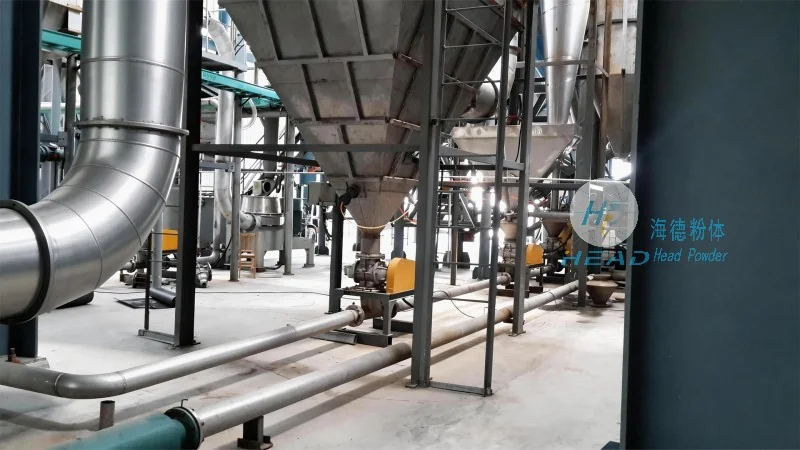
The flexibility of graphite powder conveying systems is also a notable advantage. They can be adapted to various production requirements, from small-scale laboratory applications to large-scale industrial operations. The modular design of these systems allows for easy integration with existing production lines, making them a versatile solution for different industries, including battery manufacturing, lubricants, and refractory materials.
About Shandong HeadPowder Engineering Co., Ltd.
Shandong HeadPowder Engineering Co., Ltd., based in Shandong, China, is a leading manufacturer and supplier of advanced powder handling solutions. With years of experience in the industry, the company specializes in designing and manufacturing high-quality graphite powder conveying systems tailored to meet the specific needs of its clients. HeadPowder Engineering is committed to providing reliable and efficient solutions that enhance production efficiency and ensure product safety. The company's products are widely used in various industries, contributing to the growth and development of the global graphite market.