

[W]Working Principle and Characteristics of Fly Ash Powder Conveying Systems
Understanding the working principle and characteristics of fly ash powder conveying systems is crucial for efficient material handling in industrial applications. This article provides a detailed overview of how these systems operate and the key features that define their performance.
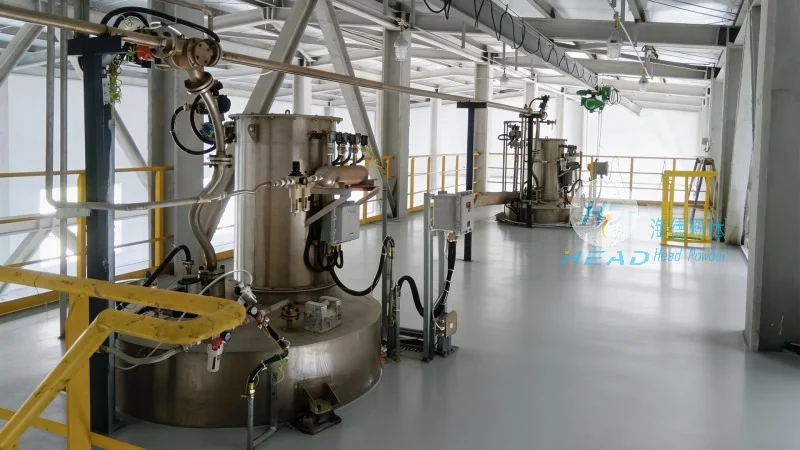
Introduction to Fly Ash Powder Conveying
Fly ash, a byproduct of coal combustion in thermal power plants, is a fine powder that requires specialized handling due to its dusty nature and potential environmental impact. Efficient conveying systems are essential to transport this material safely and effectively from storage to processing or disposal sites. The systems designed for fly ash powder conveyance must address challenges such as dust control, material flow consistency, and system durability under high-volume operation.
Working Principle of Fly Ash Powder Conveying Systems
HeadPowder, a leading provider of engineering solutions for powder handling, offers advanced systems that utilize proven technologies to ensure reliable fly ash transport. The core working principle involves the use of pneumatic or mechanical conveying methods, depending on the specific requirements of the application. Pneumatic systems typically employ air pressure to move the powder through pipelines, while mechanical systems use positive displacement or screw conveyors to push the material forward.
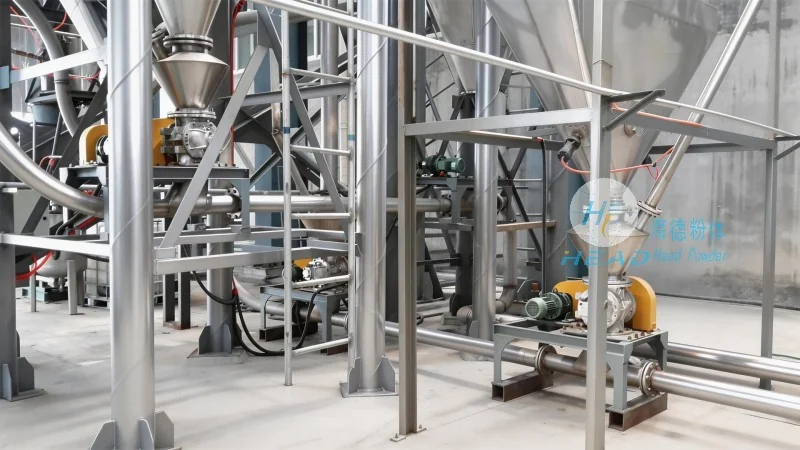
In pneumatic conveying, the fly ash is fed into a hopper and then drawn into a pipeline by a vacuum or pressure source. The air and powder mixture travels through the system, with the powder being separated from the air at the discharge point using cyclones or filters. This method is particularly effective for long-distance transport and can handle large volumes of material with minimal maintenance. Mechanical conveying systems, on the other hand, rely on rotating components like screws or belts to move the powder, which is often preferred for short-distance or high-density applications where air resistance is a concern.
Key Characteristics of Fly Ash Powder Conveying Systems
The characteristics of fly ash powder conveying systems are tailored to meet the unique demands of industrial operations. These systems are designed with several critical features to ensure optimal performance and safety. One of the primary characteristics is the ability to handle abrasive materials, as fly ash can be harsh on equipment components. High-quality materials of construction, such as stainless steel or specialized alloys, are used to minimize wear and extend the service life of the system.
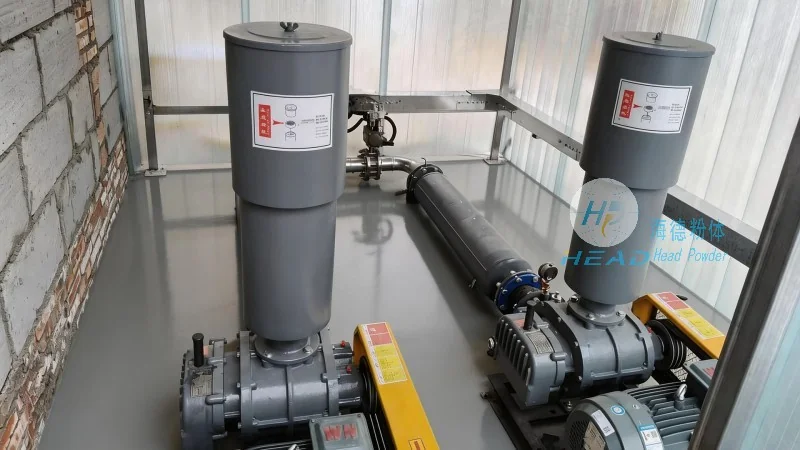
Dust control is another essential characteristic, as fly ash is a fine particulate that can cause health hazards and environmental issues if not properly managed. Advanced filtration systems and sealed enclosures are integrated into the design to prevent dust emissions and maintain a clean working environment. Additionally, the systems are engineered for high efficiency, with low energy consumption and minimal material loss during transport. This ensures cost-effectiveness and compliance with environmental regulations.
Applications and Benefits of Fly Ash Powder Conveying
Fly ash powder conveying systems are widely used in various industrial sectors, including power generation, cement production, and construction material manufacturing. The benefits of these systems extend beyond efficient material transport, as they contribute to overall operational efficiency and safety. By automating the handling process, companies can reduce labor costs and minimize the risk of human exposure to dust. The systems also enhance process consistency, ensuring that the fly ash is delivered in a controlled manner to downstream processes, such as blending or storage.
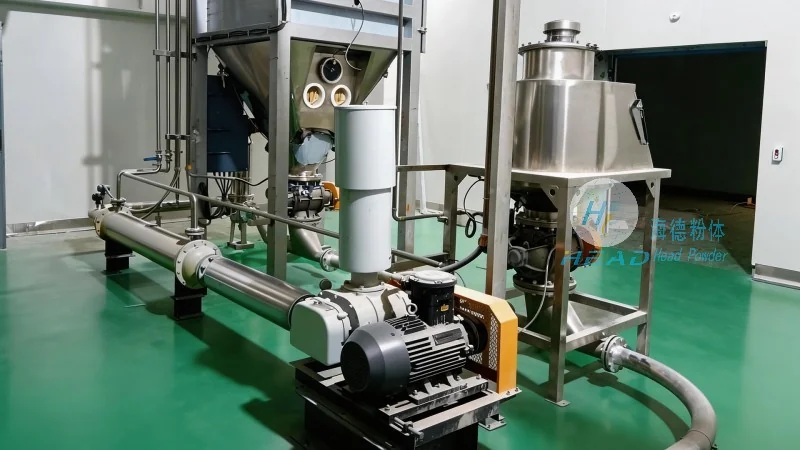
Furthermore, the reliability of these systems is critical for maintaining continuous production in power plants and other facilities. HeadPowder's solutions are designed to withstand the demanding conditions of fly ash handling, with robust components that can operate under high pressure and temperature variations. The company's commitment to quality and innovation ensures that their systems meet the highest standards of performance and durability.
Conclusion
In conclusion, the working principle and characteristics of fly ash powder conveying systems play a vital role in modern industrial operations. By leveraging advanced technologies and engineering expertise, these systems provide efficient, safe, and cost-effective solutions for transporting fly ash. The features discussed, including material handling capabilities, dust control, and energy efficiency, make them indispensable in industries where fly ash is a key byproduct. As a leading provider, Shandong HeadPowder Engineering Co., Ltd. continues to advance the technology and deliver reliable solutions that meet the evolving needs of the market.