

Working Principle and Characteristics of Clay Powder Conveying
Clay powder conveying is a critical process in various industrial applications, particularly in the manufacturing and processing sectors where clay materials are used as raw materials. Understanding the working principle and key characteristics of clay powder conveying systems is essential for optimizing production efficiency and ensuring consistent material handling. This article delves into the fundamental mechanisms behind clay powder conveying and highlights the distinctive features that make such systems effective and reliable.
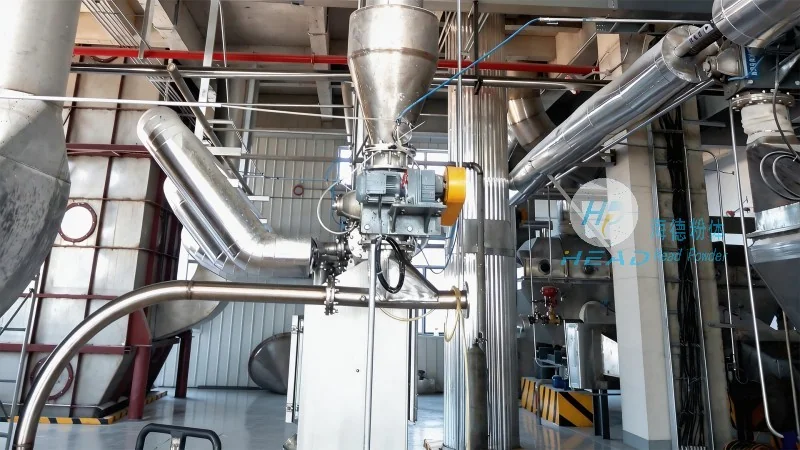
HeadPowder, a leading provider of engineering solutions, specializes in designing and manufacturing advanced clay powder conveying systems tailored to meet the diverse needs of industrial clients. With a focus on innovation and precision, the company's solutions are engineered to handle the unique challenges associated with clay powder, including its fine particle size, moisture content, and tendency to agglomerate. By integrating cutting-edge technology and robust engineering, HeadPowder ensures that its conveying systems deliver superior performance and durability in demanding operational environments.
The Working Principle of Clay Powder Conveying Systems
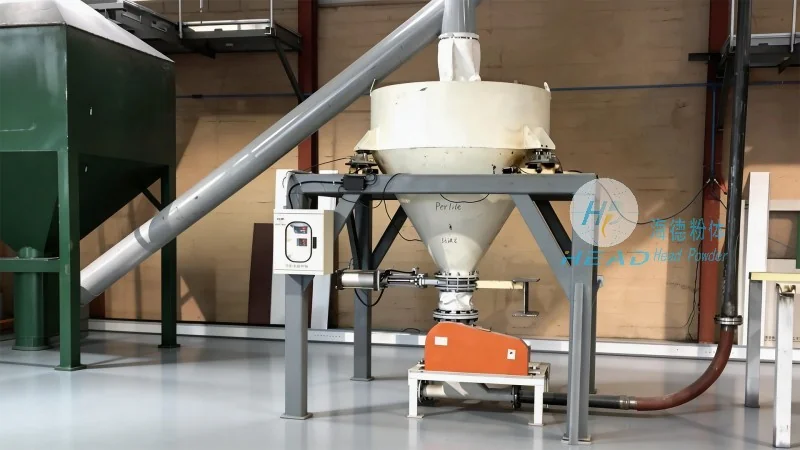
The core of clay powder conveying systems lies in the efficient transport of fine clay particles from a source to a destination, often over considerable distances. These systems typically consist of several key components, including a feeding mechanism, a conveying medium (such as air or mechanical components), and a control system. The working principle involves the following steps: first, the clay powder is fed into the system, either by gravity or through a feeder device that ensures a consistent flow rate. Next, the conveying medium is introduced to move the powder through the system, utilizing principles of pneumatic or mechanical transport. Finally, the powder is discharged at the target location, where it can be further processed or stored.
In pneumatic conveying systems, which are commonly used for clay powder due to their ability to handle fine particles and moisture, compressed air is used as the conveying medium. The clay powder is drawn into the air stream by a vacuum or pressure differential, and the mixture is transported through pipelines to the destination. Mechanical conveying systems, on the other hand, rely on rotating components like screws or belts to move the powder. Both approaches have their advantages, and the choice between them depends on factors such as the material properties, distance to be covered, and operational requirements.
Key Characteristics of Clay Powder Conveying Systems
Clay powder conveying systems exhibit several notable characteristics that contribute to their effectiveness in industrial settings. One of the primary features is their ability to handle fine, abrasive materials without causing excessive wear on equipment components. This is achieved through the use of specialized materials for pipelines and components, such as stainless steel or high-grade plastics, which resist corrosion and abrasion from clay particles. Additionally, these systems are designed to maintain consistent flow rates, ensuring that the powder is transported uniformly and without blockages or segregation.
Another significant characteristic is the system's adaptability to varying clay properties. Clay can vary in moisture content, particle size distribution, and agglomerate formation, all of which can impact conveying efficiency. Advanced systems incorporate features like moisture control and agglomerate breaking mechanisms to address these challenges. For instance, some systems use heated air to reduce moisture content and prevent clumping, while others employ vibration or mechanical agitation to break up agglomerates and improve flowability.
Efficiency and Reliability in Industrial Applications
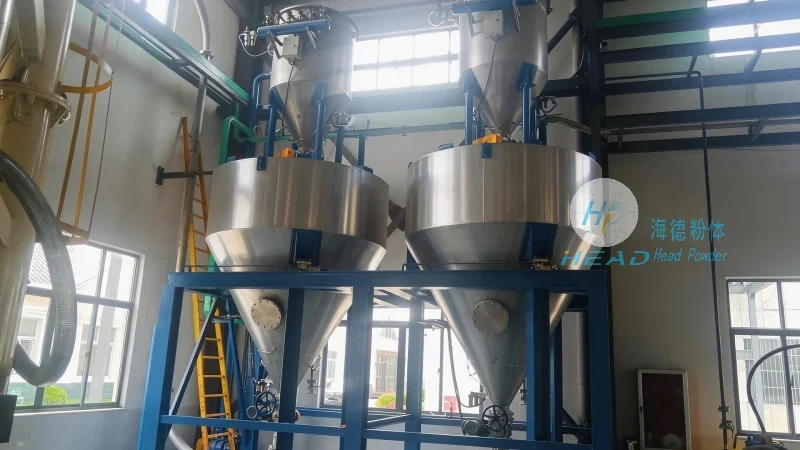
The efficiency and reliability of clay powder conveying systems are critical factors in maintaining smooth production workflows. These systems are engineered to minimize downtime and maximize throughput, which directly impacts the overall productivity of industrial operations. By ensuring consistent material flow and reducing the risk of blockages or material loss, HeadPowder's conveying solutions help clients achieve higher yields and lower operational costs.
Furthermore, the systems are designed with safety and environmental considerations in mind. Proper sealing and filtration are incorporated to prevent dust emissions and protect the environment. The use of energy-efficient components and optimized air flow also contributes to reduced operational costs and a smaller environmental footprint. HeadPowder's commitment to sustainability and safety is reflected in the design of its conveying systems, which adhere to industry standards and regulatory requirements.
Conclusion
Clay powder conveying systems, with their intricate working principles and distinctive characteristics, play a vital role in the efficient handling of clay materials in various industries. From pneumatic and mechanical conveying methods to advanced features like moisture control and agglomerate breaking, these systems are engineered to meet the specific demands of industrial applications. HeadPowder, as a trusted provider of engineering solutions, continues to innovate and improve its clay powder conveying systems, ensuring that clients receive reliable, efficient, and cost-effective solutions tailored to their unique needs. By understanding the working principle and characteristics of these systems, industrial clients can make informed decisions and optimize their material handling processes for enhanced productivity and profitability.