

Working Principle and Characteristics of Soybean Meal Powder Conveying
Understanding the working principle and characteristics of soybean meal powder conveying is crucial for optimizing material handling in industrial settings. This article provides an in-depth look at the mechanisms and features of systems designed for transporting soybean meal, a key ingredient in animal feed and other applications.
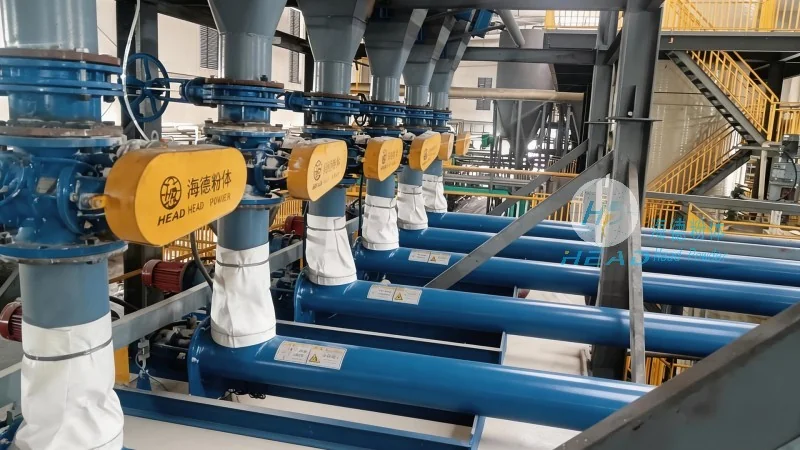
Introduction to Soybean Meal Powder Conveying
Soybean meal, a byproduct of soybean oil extraction, is widely used in the production of animal feed, livestock nutrition, and various industrial products. Efficient and reliable powder conveying of soybean meal is essential to maintain product quality, ensure consistent flow rates, and minimize material loss or contamination. The systems used for this purpose are engineered to handle the unique properties of soybean meal, such as its particle size distribution, bulk density, and flow characteristics.
Company Overview: Shandong HeadPowder Engineering Co., Ltd.
HeadPowder, a leading provider of powder handling solutions, specializes in designing and manufacturing advanced conveying systems tailored to the needs of the agricultural and food processing industries. With a strong presence in Shandong, China, the company leverages its expertise in material flow technology to deliver high-performance solutions for soybean meal and other bulk powders. HeadPowder's commitment to quality and innovation has established it as a trusted partner for businesses seeking reliable powder conveying systems.
The Working Principle of Soybean Meal Powder Conveying Systems
Soybean meal powder conveying systems typically operate based on mechanical or pneumatic principles, depending on the specific requirements of the application. Mechanical conveying methods, such as screw conveyors and belt conveyors, are commonly used for horizontal or slight incline transport. These systems utilize rotating components to move the powder along a defined path, ensuring consistent and controlled flow. For vertical or longer horizontal distances, pneumatic conveying systems, including pressure and vacuum systems, are often employed. These systems use air or gas to transport the powder through pipelines, offering flexibility and the ability to handle fine powders without clogging.
In mechanical systems, the screw conveyor, also known as an auger conveyor, is a popular choice for soybean meal. It consists of a rotating helical screw inside a trough, which pushes the material forward. The design allows for adjustable speed and capacity, making it suitable for various processing stages. Belt conveyors, on the other hand, use a continuous belt to transport the powder, ideal for longer horizontal distances and higher throughput. Both mechanical systems are designed to minimize product degradation by reducing friction and impact, preserving the nutritional value of soybean meal.
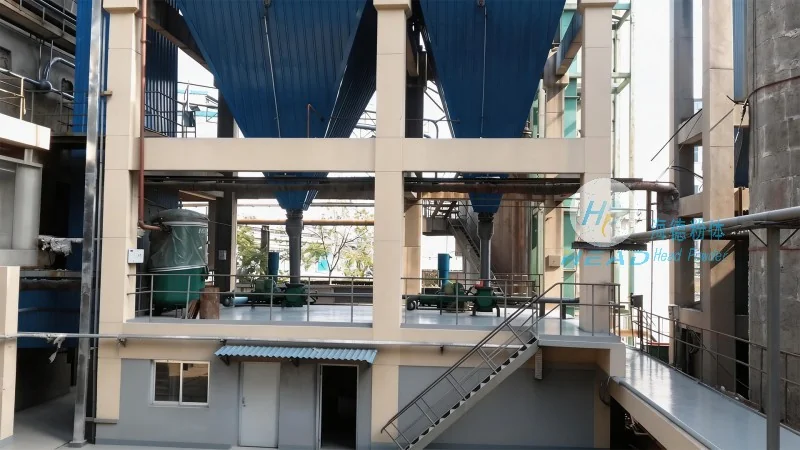
Pneumatic conveying systems operate by creating a pressure differential to move the powder. In pressure systems, compressed air is introduced at the discharge end, pushing the powder through the pipeline. Vacuum systems, conversely, draw the powder from the source using a vacuum pump, pulling it through the system. These systems are particularly effective for handling fine or dusty powders, as they can maintain a consistent flow without the need for additional mechanical components. The choice between mechanical and pneumatic systems depends on factors such as the distance to be covered, the required capacity, and the characteristics of the soybean meal being conveyed.
Key Characteristics of Soybean Meal Powder Conveying Systems
Efficiency and reliability are paramount in soybean meal powder conveying systems. The following characteristics define the performance and suitability of these systems:
1. High Capacity and Consistent Flow: Modern conveying systems are engineered to handle high volumes of soybean meal with minimal variation in flow rate. This ensures that production processes remain uninterrupted and that downstream equipment operates efficiently. The ability to maintain consistent flow is critical for maintaining product quality and preventing clogging in processing equipment.
2. Low Energy Consumption: Advanced designs focus on optimizing energy usage, reducing operational costs. By minimizing friction and using efficient motor drives, these systems achieve high performance with lower power consumption. This is particularly important for large-scale operations where energy costs can significantly impact overall profitability.
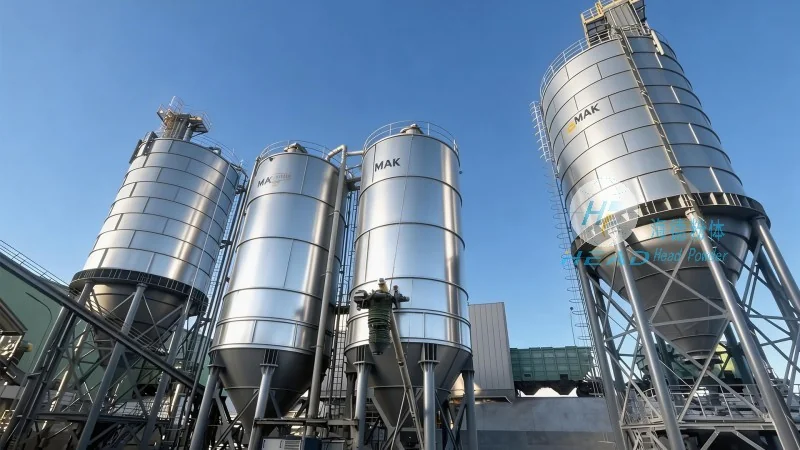
3. Minimal Product Degradation: Soybean meal is sensitive to temperature and mechanical stress, which can affect its nutritional value and quality. Conveying systems are designed to minimize these factors. For instance, smooth surfaces and gentle material handling reduce friction and impact, preserving the meal's integrity. Additionally, some systems incorporate temperature control features to prevent overheating during transport.
4. Adaptability to Different Particle Sizes: Soybean meal can vary in particle size depending on the processing method. Conveying systems are designed to handle a wide range of particle sizes, from fine powders to coarser meal. This adaptability ensures that the system can be used across different stages of production, from raw material handling to final product packaging.
5. Easy Maintenance and Cleaning: To maintain hygiene and prevent cross-contamination, conveying systems are designed with easy access for maintenance and cleaning. Components such as screws, belts, and pipelines are constructed from materials that are resistant to corrosion and easy to clean. This is especially important in food processing applications where regulatory compliance is a top priority.
Conclusion
Soybean meal powder conveying systems are essential for efficient material handling in the agricultural and food processing industries. By understanding the working principles and characteristics of these systems, businesses can select the most appropriate solution to meet their specific needs. Shandong HeadPowder Engineering Co., Ltd. offers advanced powder conveying solutions that combine efficiency, reliability, and adaptability, ensuring optimal performance for soybean meal transport. With a strong commitment to quality and innovation, HeadPowder continues to provide industry-leading solutions for bulk powder handling, supporting the growth and success of its clients.