

[WOKING PRINCIPLE AND CHARACTERISTICS OF SOAP GRANULE POWDER CONVEYING]
Soap granule powder conveying is a specialized process used in industrial applications to transport soap granules efficiently and safely. This technology is crucial for industries involved in soap manufacturing, chemical processing, and material handling. The following sections will explore the working principle and key characteristics of this conveying system, providing insights into its operational efficiency and practical applications.
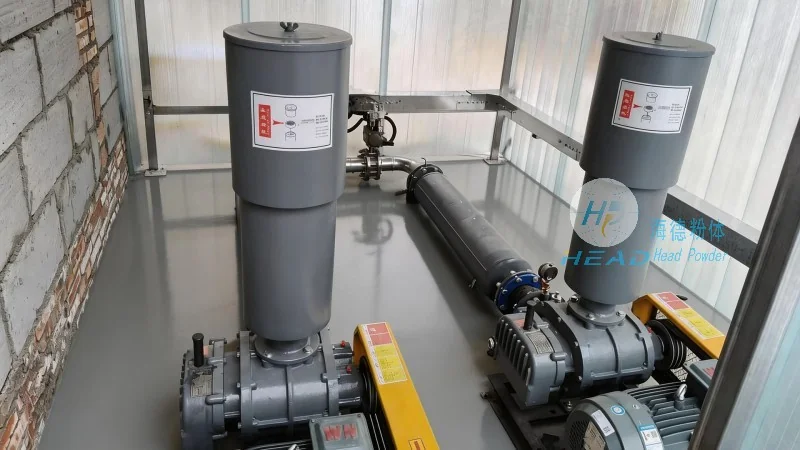
Company Introduction
HeadPowder, or Shandong HeadPowder Engineering Co., Ltd., is a leading provider of advanced powder handling solutions. With operations based in Shandong, China, the company specializes in designing and manufacturing systems tailored to the unique needs of various industrial sectors. HeadPowder's expertise lies in optimizing powder transport, ensuring reliability, and enhancing productivity in material handling processes.
Working Principle of Soap Granule Powder Conveying
The working principle of soap granule powder conveying typically involves several key components and mechanisms that work in tandem to move the material from the source to the destination. The process begins with the storage of soap granules in a hopper or silo, where the material is held under controlled conditions to prevent caking or degradation. From there, the granules are fed into a conveyor system, which may include screw conveyors, pneumatic conveyors, or mechanical belt systems, depending on the specific requirements of the application.
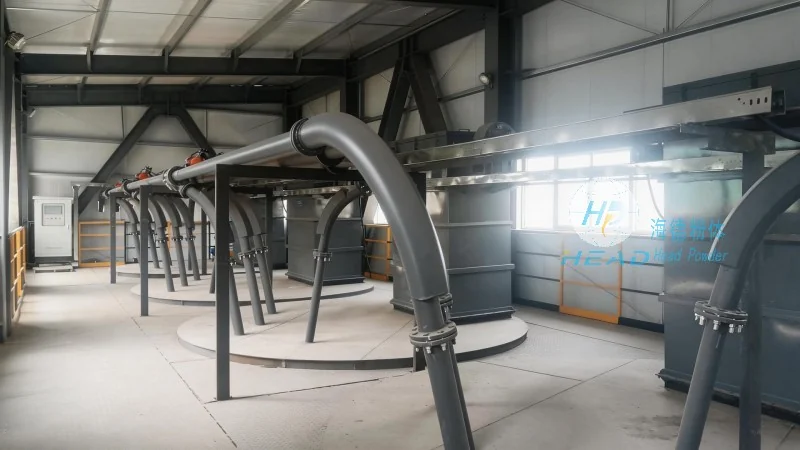
A critical aspect of the conveying process is the control of material flow and pressure. In many systems, a feeder device, such as a rotary valve or a vibratory feeder, regulates the rate at which soap granules are introduced into the conveyor. This ensures a consistent and controlled flow, preventing overloading or underloading of the conveyor. The conveyor itself then transports the granules through a pipeline or a series of connected sections, using either mechanical force (e.g., screw rotation) or pneumatic pressure (e.g., air or gas) to move the material.
For soap granules, which may have specific handling requirements due to their chemical properties or moisture content, the conveying system may incorporate additional features such as temperature control or moisture management. These features help maintain the quality of the soap granules during transport, ensuring that they remain in optimal condition for subsequent processing or packaging. The system also includes sensors and monitoring equipment to track the flow rate, pressure, and other parameters, allowing for real-time adjustments and maintenance.
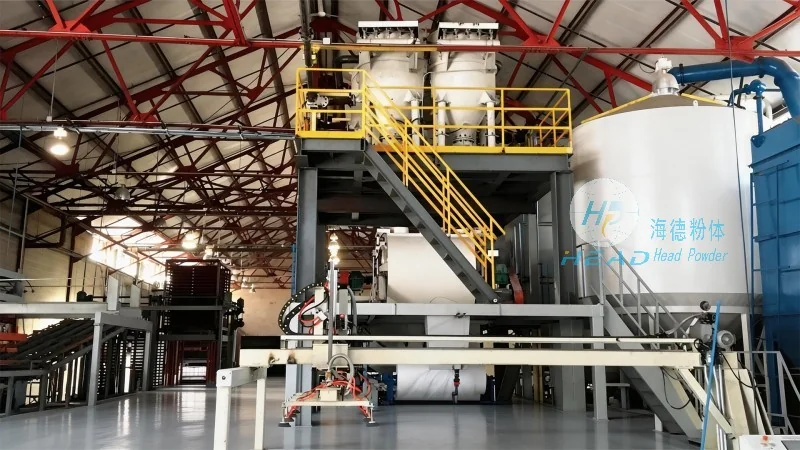
Key Characteristics of Soap Granule Powder Conveying Systems
Soap granule powder conveying systems exhibit several distinct characteristics that make them suitable for handling this type of material. One of the primary characteristics is their ability to handle abrasive or corrosive materials, which is essential for soap granules that may contain chemicals or have a rough texture. The materials used in the construction of the conveying equipment, such as stainless steel or specialized polymers, are chosen to withstand the wear and tear associated with these materials, ensuring long-term durability and reliability.
Another important characteristic is the system's efficiency in terms of energy consumption and operational costs. Modern soap granule conveying systems are designed to minimize energy usage while maximizing throughput, making them cost-effective for industrial applications. This efficiency is achieved through optimized conveyor designs, reduced friction, and the use of advanced control systems that adjust the flow rate based on real-time demand.
Furthermore, soap granule powder conveying systems are known for their flexibility and adaptability. They can be configured to handle varying particle sizes, shapes, and moisture levels, making them suitable for a wide range of soap products. The modular design of these systems allows for easy expansion or modification as production needs change, providing a scalable solution for growing businesses.
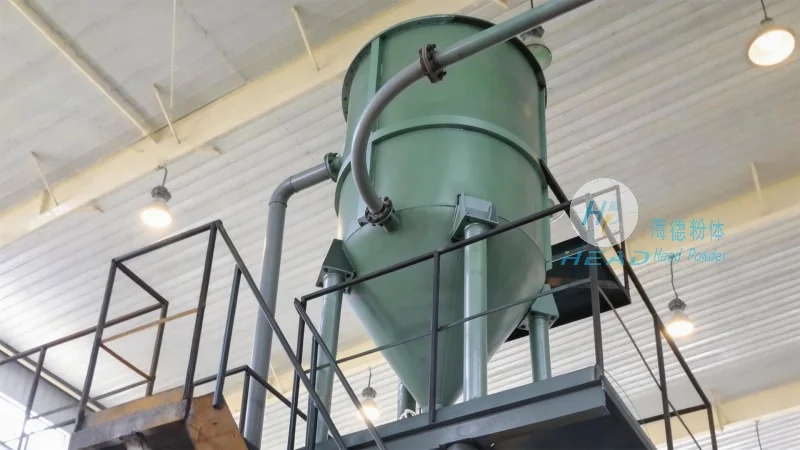
The safety features integrated into soap granule conveying systems are also a notable characteristic. These systems often include explosion-proof components, dust collection systems, and emergency stop mechanisms to protect operators and prevent accidents. The enclosed design of the conveyor, which prevents dust from escaping into the environment, is particularly important for soap granules, as they may be hazardous if inhaled or come into contact with skin.
Conclusion
Soap granule powder conveying is a sophisticated and essential technology in the industrial handling of soap products. By understanding the working principle and key characteristics of these systems, manufacturers can optimize their material transport processes, improve efficiency, and ensure the quality of their final products. With the expertise of companies like Shandong HeadPowder Engineering Co., Ltd., industries can access reliable and effective solutions tailored to their specific soap granule handling needs.