

Working Principle and Features of Bulk Bag and Broken Bag Powder Conveying
For industries dealing with large quantities of powder materials, efficient and reliable powder conveying systems are crucial for operational efficiency and product quality. The bulk bag (also known as a super sack or FIBCs) and broken bag handling systems represent advanced solutions designed to manage the transportation of bulk powders from storage to processing units. HeadPowder, a leading provider of engineering solutions, specializes in developing and manufacturing such systems to meet the diverse needs of industrial clients. With a focus on innovation and quality, HeadPowder ensures that their bulk bag and broken bag powder conveying systems deliver optimal performance and reliability.
Working Principle of Bulk Bag and Broken Bag Powder Conveying
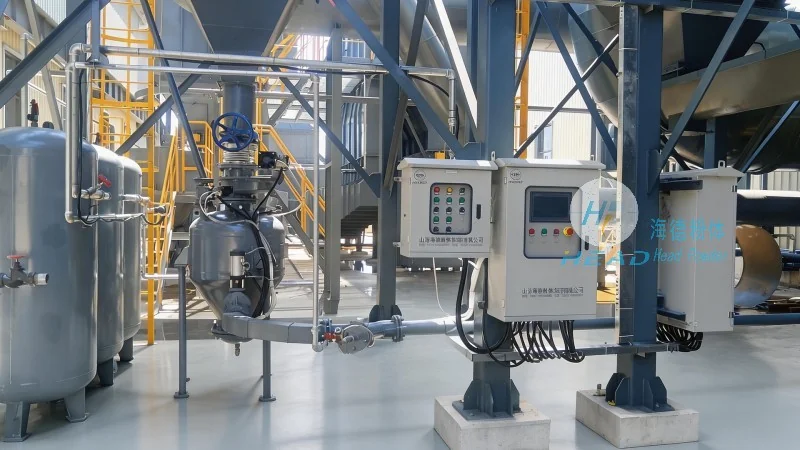
The core working principle of bulk bag and broken bag powder conveying systems involves several integrated steps to ensure safe and efficient material transfer. Initially, the bulk bag is positioned at the loading station, where it is either filled with powder or receives broken bags that need to be processed. The system then uses a combination of mechanical components such as conveyor belts, pneumatic or mechanical lifters, and discharge mechanisms to transfer the powder from the bag to the next stage of the process. For bulk bags, the discharge typically occurs through the bottom spout, which may be equipped with a valve or gate to control the flow rate. In the case of broken bags, the system may include a hopper or feeder to collect the material before it is conveyed to the processing equipment. The entire process is designed to minimize dust generation, prevent material loss, and maintain product integrity throughout the transfer.
Key Features of Bulk Bag and Broken Bag Powder Conveying Systems
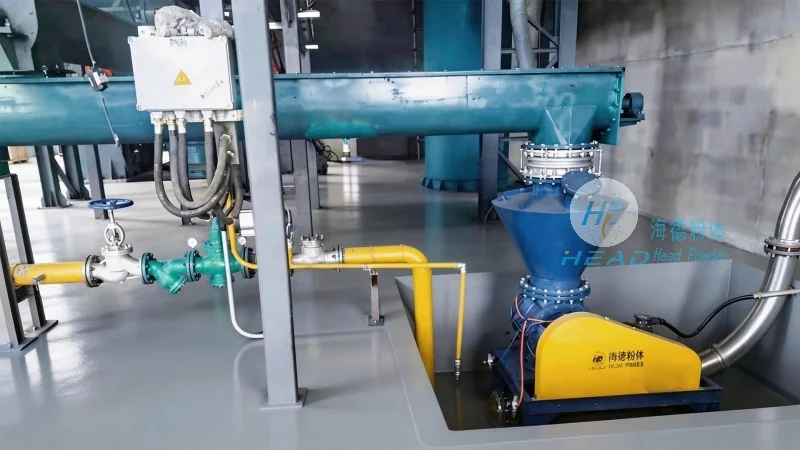
Several key features distinguish bulk bag and broken bag powder conveying systems from traditional methods, making them ideal for various industrial applications. One of the primary features is the ability to handle large volumes of material in a single operation, reducing the number of handling steps and improving throughput. The systems are also designed for high efficiency, with minimal downtime and low maintenance requirements, which contributes to cost savings over time. Another important feature is the integration of dust control measures, such as sealed hoppers and enclosed conveyor systems, which helps to maintain a clean and safe working environment. Additionally, the systems are often equipped with adjustable flow controls, allowing operators to regulate the speed of material transfer based on the specific requirements of the process. This flexibility ensures that the conveying process can be tailored to the characteristics of different powders, from fine to coarse, and from free-flowing to cohesive materials.
Advantages of Using Bulk Bag and Broken Bag Powder Conveying
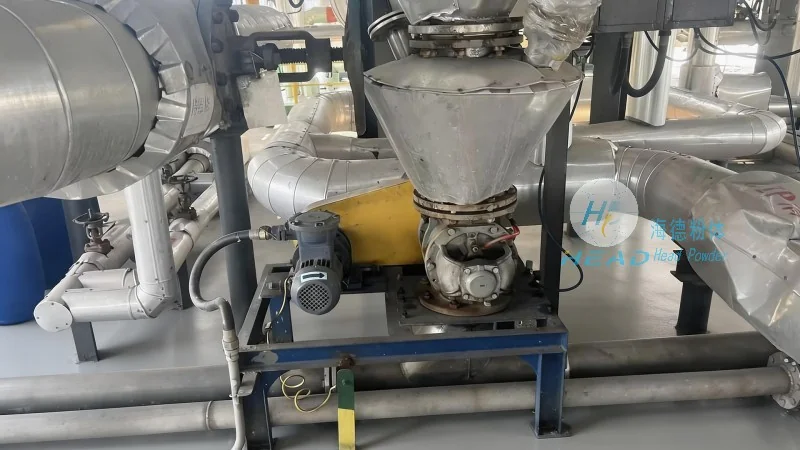
Implementing bulk bag and broken bag powder conveying systems offers numerous advantages for industrial operations. Firstly, these systems significantly reduce labor costs by automating the material handling process, eliminating the need for manual loading and unloading of bags. This not only increases productivity but also minimizes the risk of workplace injuries associated with manual handling. Secondly, the systems enhance product quality by preventing contamination and maintaining the integrity of the powder. The enclosed design and controlled flow rates help to avoid exposure to moisture, air, or other contaminants that could affect the material's properties. Thirdly, the systems contribute to environmental sustainability by reducing waste and minimizing dust emissions. The sealed conveying process helps to comply with environmental regulations and improve overall workplace safety. Finally, the systems provide scalability, allowing businesses to adapt to changing production demands without significant modifications to the infrastructure.
Applications and Industries
Bulk bag and broken bag powder conveying systems are widely used across various industries, including food processing, pharmaceuticals, chemicals, and mining. In the food industry, these systems are essential for handling ingredients such as flour, sugar, and spices, where maintaining product purity and preventing cross-contamination is critical. In the pharmaceutical sector, the systems are used to convey active pharmaceutical ingredients (APIs) and excipients, ensuring that the materials are handled under sterile and controlled conditions. The chemical industry relies on these systems for transporting raw materials like powders and granules, while the mining industry uses them to handle bulk minerals and ores. The versatility of the systems makes them suitable for a wide range of applications, from small-scale operations to large-scale industrial facilities.
Conclusion
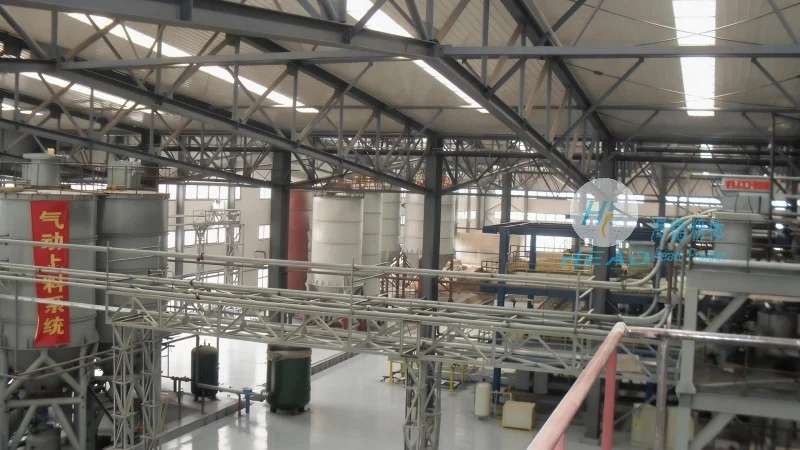
Bulk bag and broken bag powder conveying systems represent a sophisticated solution for efficient powder material handling. By understanding the working principles and key features of these systems, businesses can make informed decisions about implementing them in their operations. The advantages, including increased efficiency, improved product quality, and reduced labor costs, make these systems a valuable investment for industries dealing with bulk powders. As technology continues to advance, these systems are likely to become even more integral to modern industrial processes, further enhancing operational performance and sustainability. HeadPowder, with its expertise in engineering and manufacturing, offers reliable solutions tailored to meet the specific needs of clients, ensuring optimal performance and long-term value.