

[W]Working Principle and Characteristics of Sand and Soil Powder Conveying
HeadPowder, a leading provider in the field of powder handling technology, specializes in the efficient and reliable transport of sand and soil powders. This article delves into the working principle and key characteristics of sand and soil powder conveying systems, highlighting how these systems are engineered to meet the demands of various industrial applications.
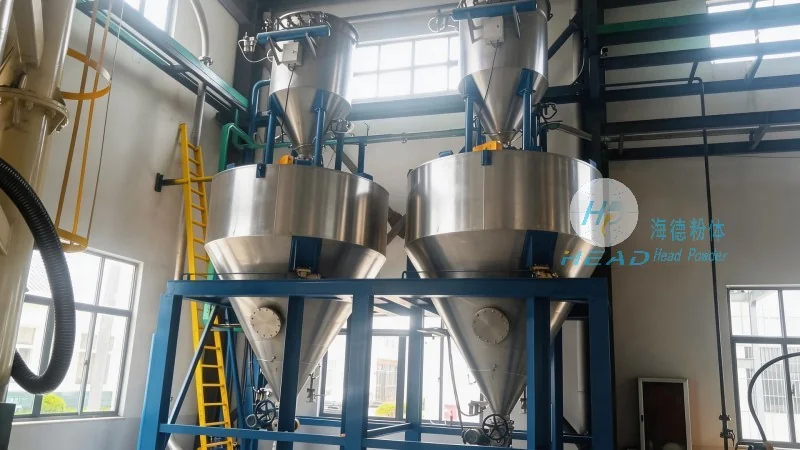
Understanding the Working Principle of Sand and Soil Powder Conveying
The core working principle of sand and soil powder conveying systems revolves around the use of specialized equipment designed to handle fine particulate materials like sand and soil. These systems typically employ mechanisms such as pneumatic conveying, mechanical screw conveyors, or bucket elevators, depending on the specific requirements of the application. Pneumatic conveying, for instance, utilizes compressed air to transport powders through a pipeline, while mechanical conveyors rely on rotating components to move the material along a defined path. The choice of system depends on factors including the particle size, moisture content, and the distance over which the material needs to be transported.
For sand and soil applications, the conveying process often begins with the material being fed into a hopper or feeder. From there, it is transferred to the conveying device, which then moves the powder to the desired destination. The system is designed to maintain consistent flow rates and minimize material degradation, ensuring that the sand and soil remain in their original state throughout the process. This is crucial for applications where the quality of the material is paramount, such as in construction, mining, or environmental remediation projects.
Key Characteristics of Sand and Soil Powder Conveying Systems
Several distinct characteristics define effective sand and soil powder conveying systems, making them suitable for a wide range of industrial needs. One of the primary characteristics is their ability to handle abrasive materials without causing excessive wear on the equipment. Sand and soil are often abrasive, and the conveying components, such as hoses, pipes, or screw flights, are constructed from durable materials like stainless steel or high-grade plastics to withstand the constant friction and impact.
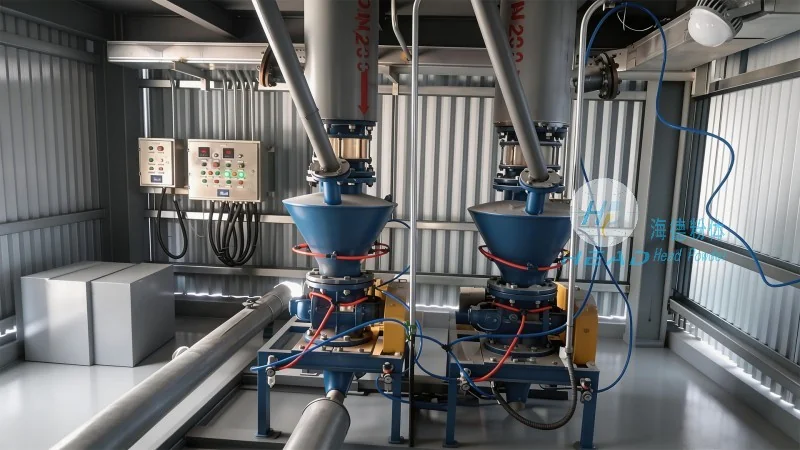
Another important characteristic is the system's efficiency in terms of energy consumption and operational costs. Modern sand and soil conveying systems are designed to be energy-efficient, minimizing the use of compressed air or power while maintaining optimal performance. This not only reduces operational expenses but also contributes to lower environmental impact, aligning with sustainable industrial practices.
A third key characteristic is the system's adaptability to varying material conditions. Sand and soil powders can have different moisture levels, particle sizes, and flow properties, and the conveying system must be able to accommodate these variations. Advanced systems often include features like adjustable feed rates, variable speed drives, and moisture control mechanisms to ensure consistent and reliable operation under different conditions.
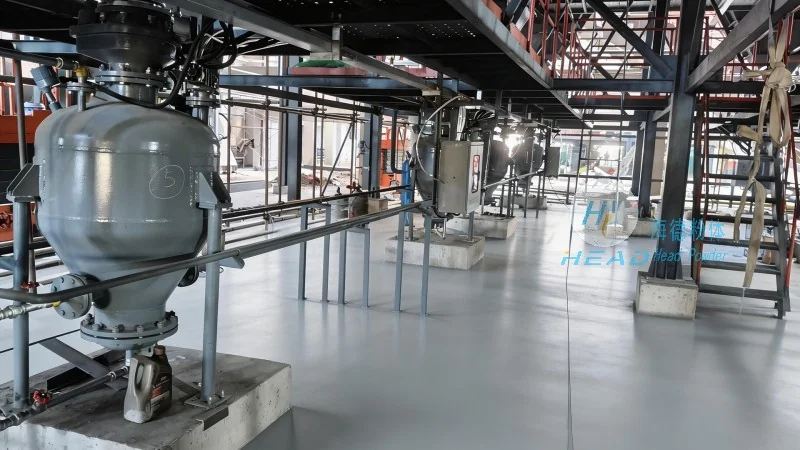
Applications and Benefits in Industrial Settings
The working principle and characteristics of sand and soil powder conveying systems make them indispensable in numerous industrial applications. In the construction industry, these systems are used to transport sand and soil for concrete mixing, road construction, and earthmoving projects. The ability to handle large volumes of material efficiently and with minimal disruption to the work site is a significant advantage. Similarly, in the mining sector, sand and soil conveying systems are employed to transport ore and overburden, facilitating the extraction and processing of minerals.
Environmental applications also benefit from these systems, particularly in soil remediation and waste management. By efficiently conveying sand and soil for treatment or disposal, these systems help streamline environmental projects and ensure compliance with regulatory standards. The reliability and durability of the equipment ensure that the material is handled safely and effectively, reducing the risk of spills or contamination.
Conclusion
HeadPowder's expertise in sand and soil powder conveying systems is built on a deep understanding of the working principles and characteristics that make these systems effective. By leveraging advanced technology and durable materials, HeadPowder provides solutions that meet the specific needs of industrial clients, ensuring efficient, reliable, and cost-effective transport of sand and soil powders. With a commitment to quality and innovation, HeadPowder continues to be a trusted partner in the powder handling industry, serving clients in China and beyond.