

Working Principle and Characteristics of Grain Powder Conveying
Grain powder conveying is a critical process in the agricultural and food processing industries, designed to efficiently transport bulk materials like grains, powders, and other dry bulk solids. Understanding the working principle and key characteristics of such systems is essential for optimizing operational efficiency and ensuring product quality. This article explores the fundamental mechanisms behind grain powder conveying and highlights the distinctive features that make these systems effective in various industrial applications.
Working Principle of Grain Powder Conveying Systems
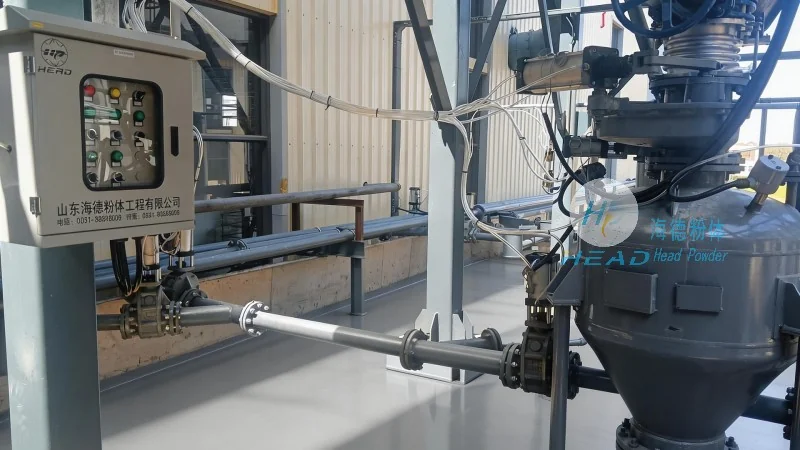
Grain powder conveying systems typically operate based on mechanical or pneumatic principles, depending on the specific design and application requirements. The primary working principle involves the movement of bulk materials from a source to a destination through a series of components that facilitate flow and control. For mechanical systems, such as screw conveyors or belt conveyors, the process relies on the rotation of a conveyor element that pushes or pulls the material along a defined path. In contrast, pneumatic conveying systems utilize air pressure to transport the material through a pipeline network, where the material is suspended and carried by the moving air stream.
Key components in a typical grain powder conveying system include the feed hopper, conveyor mechanism (either mechanical or pneumatic), control valves, and discharge outlet. The feed hopper is responsible for storing and feeding the material into the conveyor system, ensuring a consistent flow rate. The conveyor mechanism then transports the material through the system, while control valves regulate the flow and pressure to maintain optimal performance. The discharge outlet delivers the material to the desired location, such as a storage silo, processing unit, or packaging area.
Key Characteristics of Grain Powder Conveying Systems
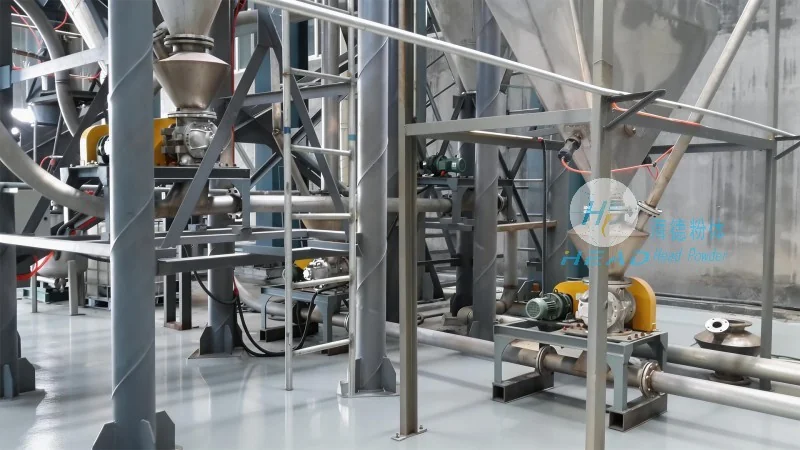
Several distinct characteristics define grain powder conveying systems, making them suitable for diverse industrial needs. One of the most significant characteristics is their ability to handle large volumes of bulk materials with minimal labor requirements. This efficiency is achieved through automated operation and continuous flow, reducing the need for manual handling and increasing overall productivity. Additionally, these systems are designed to maintain the integrity of the material, preventing segregation, contamination, or degradation during transport.
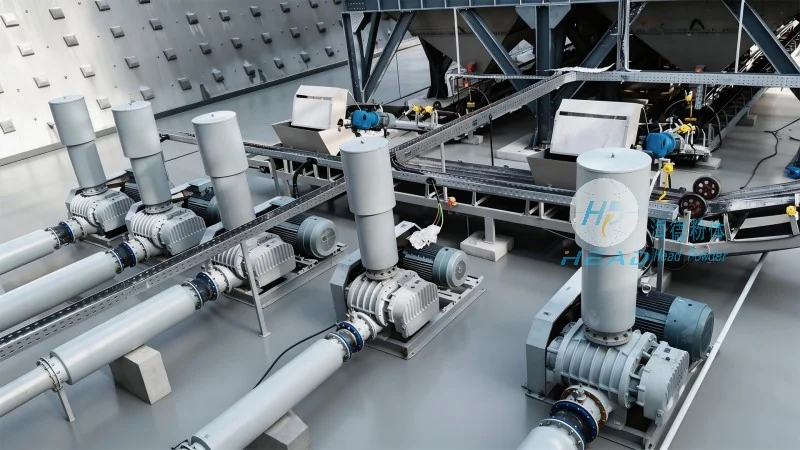
Another important characteristic is the flexibility in system configuration. Grain powder conveying systems can be customized to fit specific space constraints and operational requirements, with options ranging from simple single-line conveyors to complex multi-stage systems. This adaptability allows industries to integrate the system into existing production lines or expand capacity as needed. Furthermore, modern grain powder conveying systems often incorporate advanced control technologies, such as variable speed drives and real-time monitoring, to enhance operational efficiency and provide data-driven insights for process optimization.
Applications and Benefits in Industrial Settings
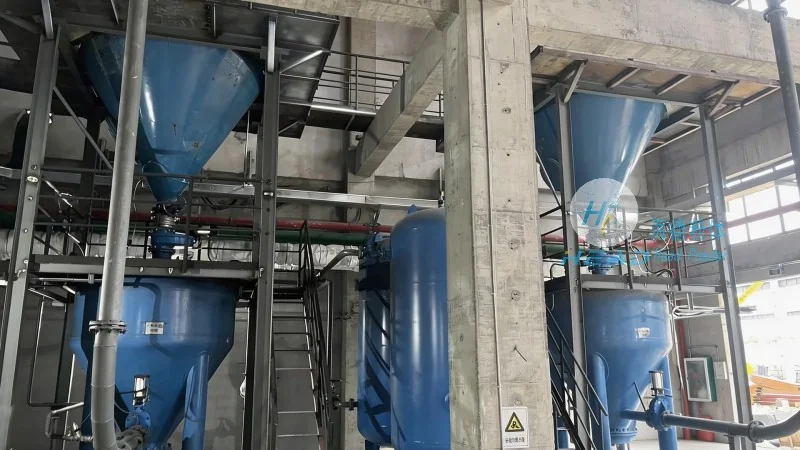
Grain powder conveying systems are widely used in various industries, including agriculture, food processing, and chemical manufacturing. In the agricultural sector, these systems are crucial for transporting harvested grains from fields to storage facilities or processing plants. In food processing, they play a vital role in moving ingredients like flour, sugar, and spices to production lines, ensuring a smooth and consistent supply chain. The benefits of using grain powder conveying systems extend beyond efficiency, as they also contribute to improved safety and hygiene in industrial environments. By minimizing manual handling, these systems reduce the risk of workplace accidents and contamination, aligning with industry standards and regulations.
Conclusion
Grain powder conveying systems are essential for the efficient and reliable transport of bulk materials in industrial applications. By understanding the working principle and key characteristics of these systems, businesses can make informed decisions about implementing or upgrading their conveying infrastructure. The combination of mechanical and pneumatic technologies, along with advanced control features, ensures that grain powder conveying systems can meet the demands of modern industrial operations while maintaining product quality and operational efficiency. As the demand for bulk material handling continues to grow, the importance of these systems in optimizing supply chain processes cannot be overstated.