

Working Principle and Characteristics of Dry Lime Powder Conveying
For industrial applications involving the transportation of dry lime powder, understanding the underlying mechanisms and key attributes of the conveying system is crucial. This article delves into the working principle and distinct characteristics of dry lime powder conveying systems, providing insights that are vital for optimizing material handling processes in various industrial settings.
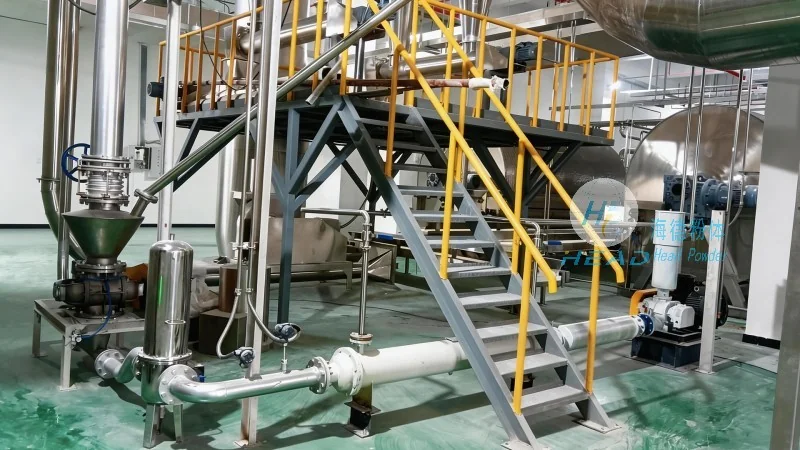
HeadPowder, a leading provider of engineering solutions for bulk material handling, specializes in the design and implementation of efficient dry lime powder conveying systems. With a focus on reliability and performance, their solutions are tailored to meet the specific demands of industries such as power generation, water treatment, and construction. The company, based in Shandong, China, leverages advanced technology and extensive industry experience to deliver high-quality conveying solutions that enhance operational efficiency and safety.
The Working Principle of Dry Lime Powder Conveying
The core of dry lime powder conveying systems lies in the efficient movement of fine, dry particles from a source to a destination. The process typically involves several key components and mechanisms that work in tandem to ensure smooth and continuous material transport. A common method used in industrial applications is the pneumatic conveying system, which utilizes air or gas as the medium to transport the powder.
In pneumatic conveying, the dry lime powder is introduced into a conveying line, often through a hopper or feeder. The system then uses a blower or compressor to generate airflow, which carries the powder particles through the pipeline. The velocity of the air and the design of the pipeline are critical factors that determine the efficiency of the conveying process. Properly designed systems ensure that the powder is transported without clogging or degradation, maintaining the integrity of the material throughout the process.
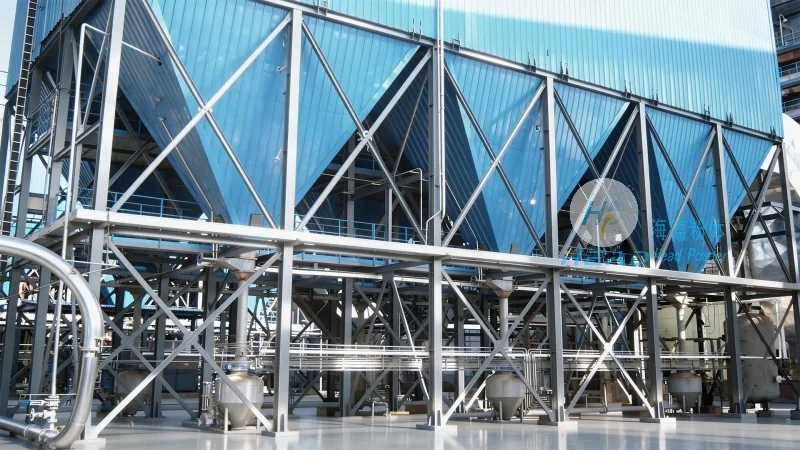
Another important aspect of the working principle is the control of pressure and flow. The system must maintain a consistent pressure differential to ensure that the powder moves continuously without stagnation. HeadPowder’s expertise in system design allows for the optimization of these parameters, resulting in reduced energy consumption and increased throughput. The use of appropriate materials for the conveying line, such as corrosion-resistant metals or specialized plastics, also plays a vital role in preventing material degradation and ensuring long-term system performance.
Key Characteristics of Dry Lime Powder Conveying Systems
When evaluating dry lime powder conveying systems, several key characteristics stand out as critical for effective operation. These characteristics not only impact the efficiency of the system but also influence its suitability for specific industrial applications.
Firstly, the system’s ability to handle fine, abrasive materials like dry lime powder is a defining feature. Dry lime is known for its fine particle size and potential for creating dust, which can affect the performance of conveying equipment. High-quality systems are designed with components that can withstand abrasion and prevent clogging, ensuring consistent material flow. HeadPowder’s solutions incorporate robust materials and advanced filtration systems to mitigate these issues, maintaining the system’s efficiency over time.
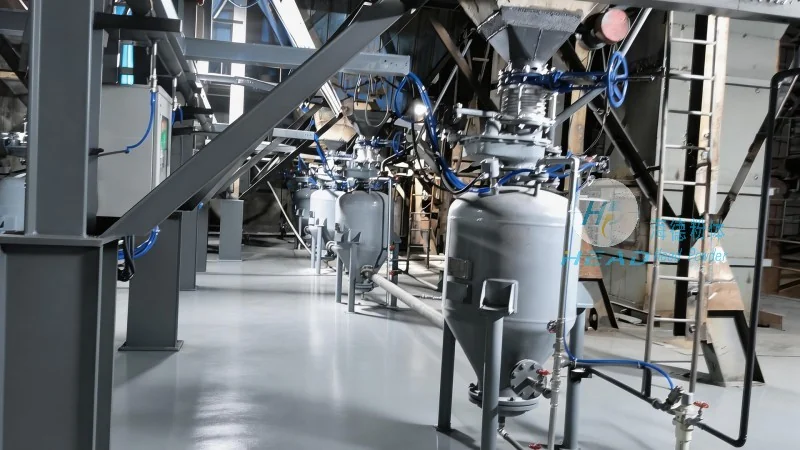
Secondly, the system’s energy efficiency is a significant characteristic. Efficient conveying systems minimize energy consumption while maximizing material throughput. This is achieved through optimized airflow rates, proper pipeline design, and the use of energy-efficient motors and blowers. HeadPowder’s engineering team focuses on reducing energy costs by implementing advanced control strategies and using high-performance components that balance performance with energy savings.
Thirdly, the system’s reliability and durability are paramount. Industrial environments often require continuous operation with minimal downtime. Dry lime powder conveying systems must be built to withstand harsh conditions, including temperature fluctuations, moisture, and abrasive particles. HeadPowder’s systems are constructed with durable materials and include features such as automatic cleaning mechanisms and redundant components to ensure continuous operation. This reliability is essential for maintaining production schedules and reducing maintenance costs.
Applications and Benefits in Industrial Settings
Dry lime powder conveying systems find wide applications across various industries, particularly in processes that require the precise handling of alkaline materials. In power generation, for example, dry lime is used for flue gas desulfurization, where it helps reduce sulfur dioxide emissions. The efficient conveying of dry lime ensures that the treatment process operates smoothly, contributing to environmental compliance and operational efficiency.
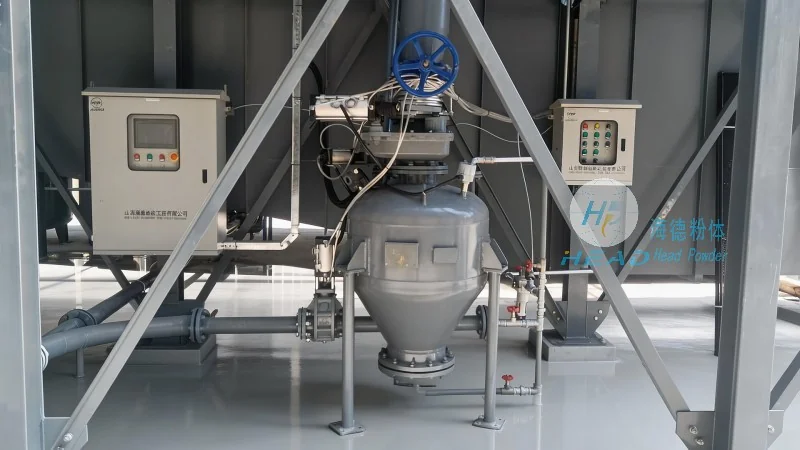
In water treatment facilities, dry lime is used to adjust pH levels and remove impurities from water. The ability to transport dry lime powder reliably and without degradation is crucial for maintaining water quality standards. HeadPowder’s conveying systems support these applications by providing consistent material delivery, which is essential for effective water treatment processes.
In the construction industry, dry lime is used as a component in concrete and mortar mixtures. The efficient transport of dry lime powder to construction sites ensures that building projects proceed on schedule. The systems’ ability to handle bulk quantities and maintain material quality is vital for achieving high-quality construction outcomes.
Overall, the characteristics of dry lime powder conveying systems, such as their ability to handle fine, abrasive materials, energy efficiency, and reliability, make them indispensable in modern industrial operations. By leveraging advanced engineering and design, companies like HeadPowder continue to enhance the performance of these systems, supporting industries in meeting their operational and environmental goals.