For industrial applications that require the efficient and safe transportation of dry lime powder, specialized conveying systems are essential. These systems are designed to handle the unique challenges associated with dry powders, such as dust generation, material segregation, and the need for precise control over flow rates. The operation and working principles of a dry lime powder conveying system are critical to ensuring optimal performance, reliability, and safety in various industrial processes.
Key Components of the Conveying System
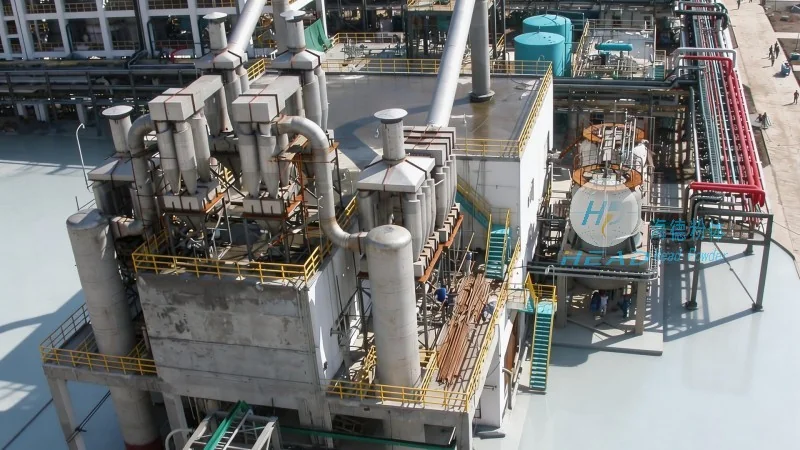
The dry lime powder conveying system typically consists of several key components that work in concert to achieve efficient material transport. These components include a hopper or storage silo for storing the dry lime powder, a feeding device (such as a rotary valve or screw feeder) to control the flow of material from the hopper, a conveying pipeline (often made of stainless steel or other corrosion-resistant materials to prevent material buildup and contamination), and a drive system (such as a motor and gearbox) to power the conveying mechanism. Additionally, the system may include a dust collection system and a control panel to monitor and regulate the operation of the components.
Operation Process of the Dry Lime Powder Conveying System
The operation process of the dry lime powder conveying system begins with the loading of dry lime powder into the storage hopper. The powder is then fed from the hopper into the conveying pipeline through the feeding device, which controls the flow rate based on the system's requirements. The drive system then activates the conveying mechanism (such as a pneumatic or mechanical conveyor) to move the powder through the pipeline to the discharge point. The system may also include a pressure or vacuum control system to maintain consistent flow and prevent blockages. Throughout the operation, the control panel monitors key parameters such as flow rate, pressure, and temperature to ensure the system operates within safe and efficient parameters.
Working Principle of the Conveying System
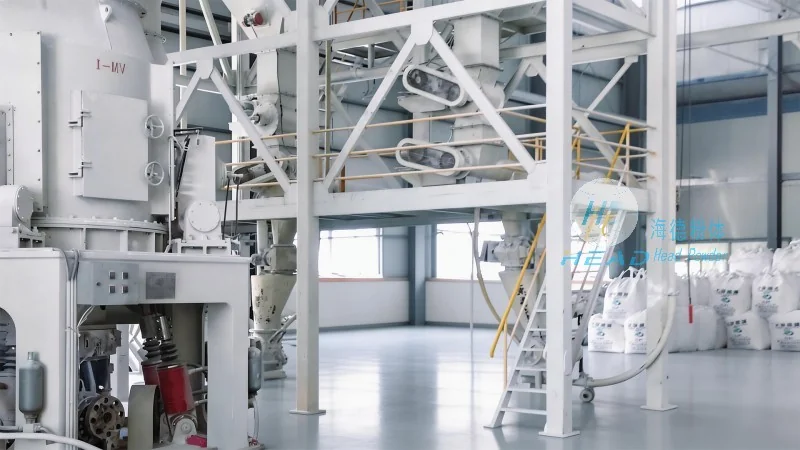
The working principle of the dry lime powder conveying system is based on the principles of fluidization and pneumatic or mechanical transport. In pneumatic conveying systems, the dry lime powder is suspended in a stream of air or gas and transported through the pipeline. The air flow is controlled to maintain the powder in a fluidized state, preventing it from settling or sticking to the pipeline walls. In mechanical conveying systems, such as screw conveyors or belt conveyors, the powder is moved by the rotation of a screw or the movement of a belt, which pushes the material through the pipeline. The choice of conveying method depends on factors such as the particle size of the dry lime powder, the required flow rate, and the distance to be covered. The system's design ensures that the dry lime powder is transported without degradation, contamination, or loss of quality.
Advantages of the Dry Lime Powder Conveying System
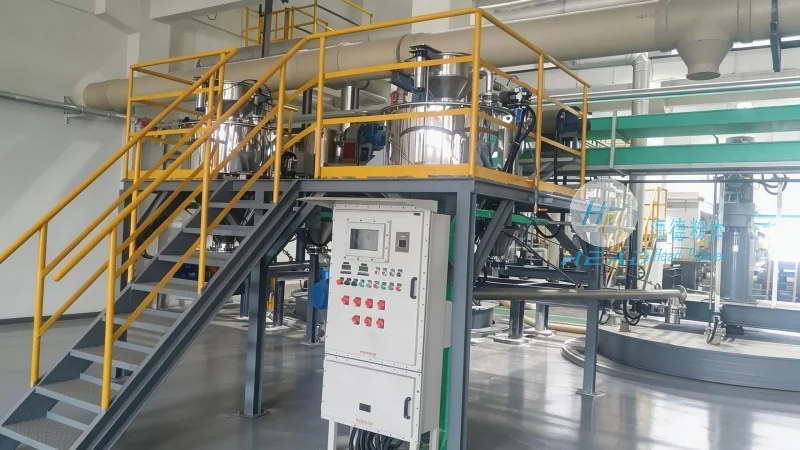
Using a specialized dry lime powder conveying system offers several advantages over traditional methods of material transport. These advantages include improved safety by reducing dust exposure and the risk of fire or explosion, increased efficiency through precise control of flow rates and reduced material loss, and enhanced product quality by preventing contamination and degradation. Additionally, the system can be designed to handle a wide range of dry lime powder types and particle sizes, making it versatile for various industrial applications. The system's modular design allows for easy integration into existing production lines and can be customized to meet specific operational requirements.
Applications of the Dry Lime Powder Conveying System
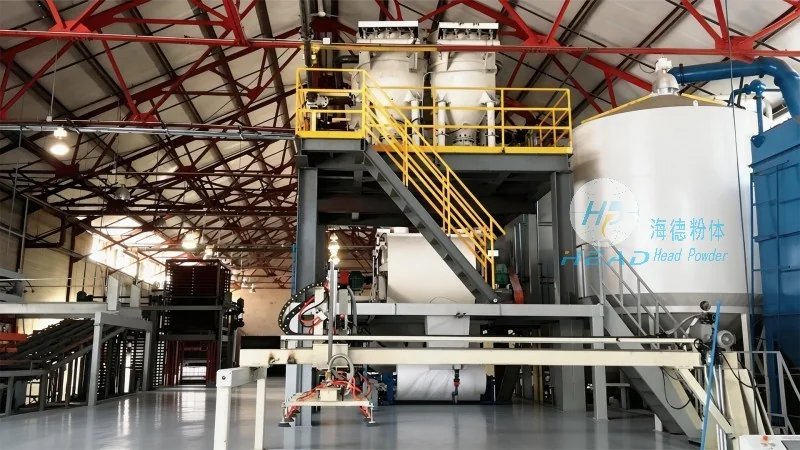
Dry lime powder conveying systems are widely used in various industrial sectors, including chemical manufacturing, food processing, and environmental remediation. In chemical manufacturing, the system is used to transport dry lime powder to reactors or storage tanks for use in processes such as neutralization or pH adjustment. In food processing, the system is used to transport dry lime powder for use in food production, such as in the production of dairy products or as a food additive. In environmental remediation, the system is used to transport dry lime powder for use in soil stabilization or water treatment processes. The system's ability to handle dry lime powder efficiently and safely makes it an essential component in these applications.
Conclusion
The dry lime powder conveying system is a critical component in many industrial processes, providing efficient and safe transportation of dry lime powder. The operation process and working principles of the system are designed to ensure optimal performance, reliability, and safety. By understanding the key components, operation process, and working principles of the system, industrial operators can ensure that their dry lime powder is transported effectively and efficiently, contributing to the overall success of their operations. The system's advantages, including improved safety, efficiency, and product quality, make it a valuable investment for any industrial facility that handles dry lime powder.




